


Overview
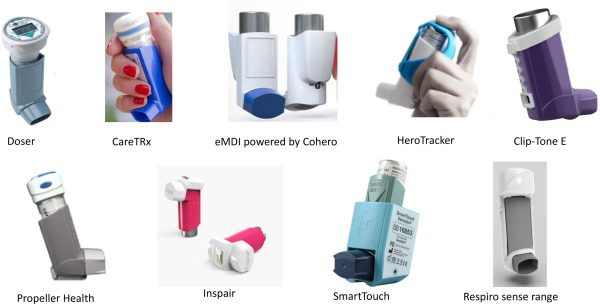
Smart inhalers are digital devices that track medication usage and help patients with respiratory diseases like asthma or COPD manage their condition more effectively. However, excessive reliance and overuse—especially of bronchodilators—can lead to a serious emerging issue: lung receptor desensitization, where the lungs become less responsive to medication over time.

Causes
- Frequent Use of Short-Acting Beta-Agonists (SABAs): Overuse of rescue medications like albuterol can reduce β2-receptor sensitivity in the lungs.
- Inaccurate Self-Monitoring: Patients may rely too heavily on smart inhaler reminders and bypass regular clinical evaluations.
- Behavioral Reinforcement: Real-time feedback and digital tracking may encourage overuse due to the illusion of proactive disease control.
- Algorithm Bias or Alerts Fatigue: Poorly designed AI alerts can lead to increased, unnecessary medication use or patient anxiety.
Symptoms of Lung Desensitization
- Decreased effectiveness of bronchodilator inhalers
- Increased frequency and severity of asthma or COPD symptoms
- Reduced lung function (spirometry measures like FEV1)
- Dependence on rescue inhalers
- Exacerbation of airway inflammation
Diagnosis
- Clinical History and Usage Data: Review smart inhaler logs for patterns of overuse
- Lung Function Tests: Reduced response to bronchodilators on spirometry suggests desensitization
- Biomarker Monitoring: Eosinophil counts and fractional exhaled nitric oxide (FeNO) may help assess inflammation levels
Management and Prevention
- Patient Education: Reinforce the difference between controller and rescue inhalers; emphasize correct use
- Smart Inhaler Settings: Modify app algorithms to include usage limits and red flags for overuse
- Medication Review: Switch or adjust maintenance therapies (e.g., inhaled corticosteroids or long-acting bronchodilators)
- Regular Monitoring: Routine check-ups with pulmonologists or asthma educators to evaluate dependence and lung response
Prognosis
If detected early, lung receptor desensitization can often be reversed or managed with therapy adjustments. If unaddressed, it may lead to chronic respiratory decline or increased hospitalization risks.
Support and Resources
- Global Initiative for Asthma (GINA) guidelines
- Digital health coaching programs for respiratory disease management
- Clinical decision support systems integrated with smart inhaler platforms