What is a Lung Abscess?
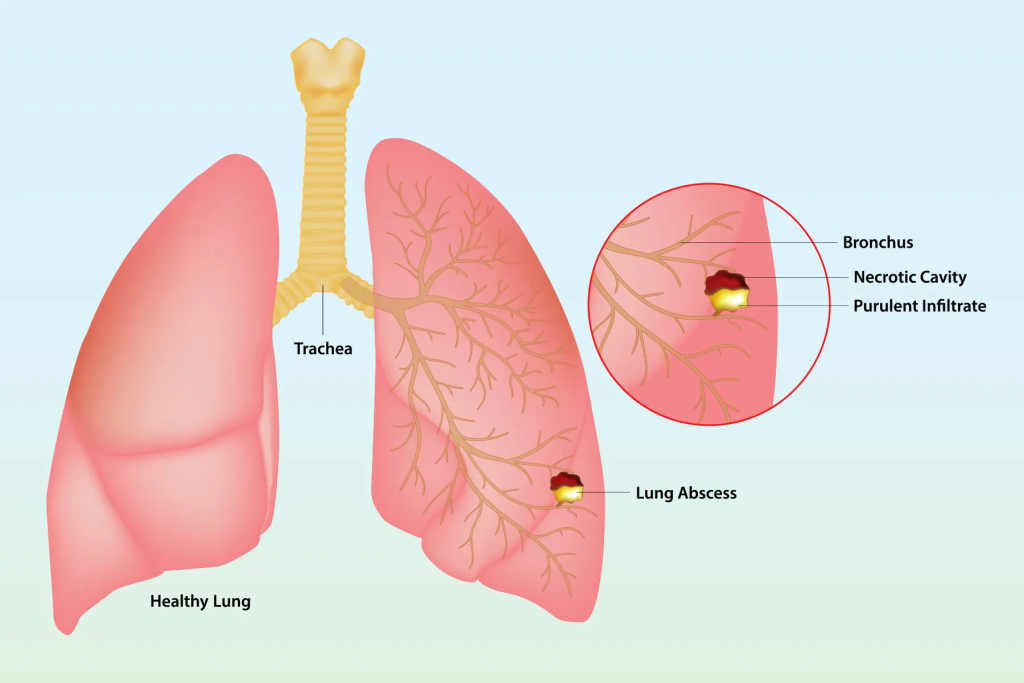
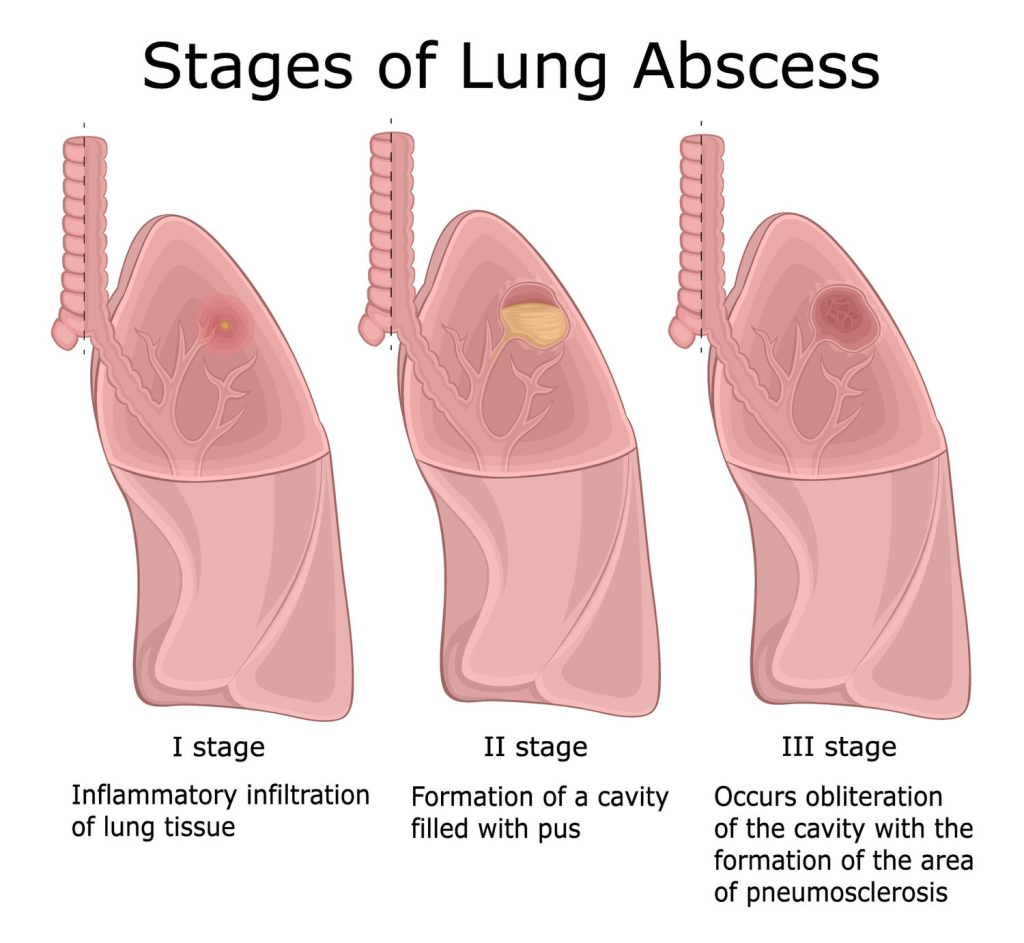
A lung abscess is a localized collection of pus within the lung tissue, typically caused by a bacterial infection. It forms when the lung tissue becomes infected and the body’s immune system tries to contain the infection, resulting in the formation of a cavity filled with pus and dead cells. Lung abscesses can be serious and require prompt medical treatment to prevent complications.
Causes of Lung Abscess
Several factors can contribute to the development of a lung abscess:
- Aspiration: Inhaling food, saliva, vomit, or other substances into the lungs can introduce bacteria and cause an infection, especially in individuals with impaired swallowing or reduced consciousness.
- Bacterial Infections: Most lung abscesses are caused by anaerobic bacteria that thrive in areas with low oxygen, but aerobic bacteria such as Staphylococcus aureus and Klebsiella pneumoniae can also cause abscesses.
- Obstruction of the Airways: Tumors, foreign bodies, or thick mucus can block parts of the lung, trapping bacteria and leading to infection.
- Weakened Immune System: People with weakened immune systems (due to conditions like HIV/AIDS, cancer, or use of immunosuppressive drugs) are more prone to lung abscesses.
- Septic Embolism: Infected blood clots that travel to the lungs from other parts of the body can cause abscess formation.
- Post-Surgical Complications: Lung surgery or procedures can sometimes introduce infections that lead to abscess formation.
Symptoms of Lung Abscess
The symptoms of a lung abscess may develop gradually over days to weeks and can include:
- Persistent Cough: Often producing foul-smelling or bloody sputum.
- Chest Pain: Sharp pain that worsens with deep breathing or coughing.
- Fever and Chills: Signs of infection and inflammation.
- Night Sweats: Excessive sweating during sleep.
- Fatigue and Weakness: General feelings of tiredness and lack of energy.
- Weight Loss: Unintentional loss of weight over time.
- Shortness of Breath: Difficulty breathing or feeling out of breath.
- Bad Breath (Halitosis): Often a result of the infected material in the lungs.
Diagnosis of Lung Abscess
If a lung abscess is suspected, a healthcare provider may use the following methods for diagnosis:
- Medical History and Physical Examination: The doctor will review symptoms, risk factors (like recent aspiration events), and perform a physical exam.
- Chest X-ray: A chest X-ray can often reveal a cavity with a fluid level inside the lung.
- CT Scan of the Chest: A CT scan provides a more detailed view of the lung and can help differentiate an abscess from other conditions like tumors.
- Sputum Culture: A sample of mucus coughed up from the lungs can be tested to identify the bacteria causing the infection.
- Blood Tests: Blood tests may show signs of infection, such as elevated white blood cell counts.
- Bronchoscopy: In some cases, a bronchoscopy may be needed to directly visualize the airways and collect samples for testing.
Treatment of Lung Abscess
Treatment focuses on eliminating the infection and draining the abscess if necessary. Options include:
1. Antibiotic Therapy
- Primary Treatment: Antibiotics are the mainstay of treatment and are usually given intravenously at first, followed by oral antibiotics once the patient improves.
- Long Duration: Treatment often lasts for several weeks to ensure complete resolution of the infection.
Common antibiotics include those effective against anaerobic and aerobic bacteria, such as clindamycin or a combination of beta-lactam antibiotics with beta-lactamase inhibitors.
2. Drainage Procedures
- Percutaneous Drainage: If the abscess is large or not responding to antibiotics, a needle or catheter may be inserted through the chest wall under imaging guidance to drain the pus.
- Bronchoscopy Drainage: In some cases, the abscess can be drained through the airways using a bronchoscope.
3. Surgical Treatment
- Surgery is rarely needed but may be necessary if:
- The abscess does not respond to antibiotics and drainage.
- There is severe bleeding.
- There is suspicion of underlying cancer.
- A large portion of the lung is damaged.
Procedures may involve removing the affected part of the lung (lobectomy).
4. Supportive Care
- Hydration: Maintaining adequate fluid intake helps thin the mucus and improve clearance.
- Oxygen Therapy: Supplemental oxygen may be needed if breathing is impaired.
- Chest Physiotherapy: Techniques like postural drainage can help clear the lungs.
Recovery and Outlook
With appropriate treatment, most people recover from a lung abscess without complications. Improvement typically begins within a few days of starting antibiotic therapy, although full resolution may take several weeks.
If left untreated, a lung abscess can lead to serious complications, such as:
- Spread of Infection: To other parts of the lungs or body.
- Chronic Lung Problems: Including scarring and reduced lung function.
- Sepsis: A life-threatening systemic infection.
Early diagnosis and adherence to the prescribed treatment plan are crucial for a good outcome.
Prevention of Lung Abscess
While not all lung abscesses can be prevented, certain measures can reduce the risk:
- Prompt Treatment of Lung Infections: Addressing pneumonia and bronchitis early can prevent complications.
- Proper Oral Hygiene: Good dental care reduces the risk of bacteria entering the lungs.
- Swallowing Precautions: For individuals at risk of aspiration, careful monitoring during eating and drinking is important.
- Alcohol Moderation: Excessive alcohol consumption increases the risk of aspiration and lung infections.
- Immunization: Vaccines against pneumococcal bacteria and influenza can help prevent lung infections that might lead to abscesses.