What is Juvenile-Onset Vasculitis?
Juvenile-Onset Vasculitis refers to a group of rare autoimmune diseases that cause inflammation of the blood vessels (veins, arteries, or capillaries) in children and adolescents. This inflammation can reduce blood flow to vital organs and tissues, leading to various symptoms depending on which part of the body is affected.
What Causes Juvenile-Onset Vasculitis?
The exact cause is not fully understood, but it is believed to involve a misdirected immune response, where the body attacks its own blood vessels. Possible triggers include:
- Genetic predisposition
- Infections
- Environmental factors
- Autoimmune disorders
The immune system mistakenly targets the vessel walls, leading to inflammation, narrowing, or even blockage.
What Are the Types of Juvenile Vasculitis?
There are several types, each with distinct characteristics:
- Henoch-Schönlein Purpura (HSP) – most common in children, causing rash, joint pain, and kidney issues.
- Kawasaki Disease – affects the coronary arteries, mostly in children under 5.
- Takayasu Arteritis – affects large arteries like the aorta.
- Polyarteritis Nodosa (PAN) – affects medium-sized arteries, causing organ damage.
- Granulomatosis with Polyangiitis (Wegener’s) – involves upper airways, lungs, and kidneys.
- Microscopic Polyangiitis (MPA) – affects small vessels and often involves the kidneys and lungs.
How Common is Juvenile-Onset Vasculitis?
Juvenile vasculitis is rare but can be serious. The most common type, HSP, affects about 10-20 children per 100,000 each year. Other forms like Takayasu arteritis or PAN are much less common.
What Are the Symptoms of Juvenile-Onset Vasculitis?
Symptoms vary widely depending on the type and which blood vessels are affected. Common signs include:
- Fever
- Fatigue
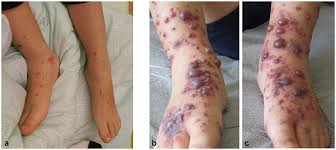
- Skin rash or purpura (small purple spots)
- Joint pain or swelling
- Abdominal pain
- Weight loss
- Muscle aches
- High blood pressure
- Kidney problems (blood or protein in urine)
In more severe forms, vasculitis can affect the lungs, heart, brain, or other vital organs.
How is Juvenile-Onset Vasculitis Diagnosed?
Diagnosis involves a combination of clinical evaluation, laboratory tests, and imaging studies:
- Blood tests – check for inflammation (ESR, CRP) and autoantibodies
- Urine tests – detect kidney involvement
- Skin or tissue biopsy – confirm blood vessel inflammation
- Imaging tests – such as ultrasound, MRI, or angiography to visualize affected vessels
Early and accurate diagnosis is crucial to prevent long-term organ damage.
How is Juvenile-Onset Vasculitis Treated?
Treatment depends on the specific type and severity of vasculitis but usually includes:
- Corticosteroids – to reduce inflammation quickly
- Immunosuppressive medications (like methotrexate, cyclophosphamide, or azathioprine)
- Biologic agents (such as rituximab) in resistant or severe cases
- Supportive care – including pain relief and blood pressure control
- Regular monitoring – of kidney function, heart health, and other organs
In some cases, treatment may be long-term or lifelong, especially if symptoms recur.
Can a Child Recover from Vasculitis?
Yes, many children with vasculitis respond well to treatment and can go into remission, especially with early diagnosis and appropriate care. However, some types may cause long-term complications, requiring ongoing medical attention.
Close monitoring and follow-up with a pediatric rheumatologist or other specialists can help manage the condition effectively.
What Are the Possible Complications?
If not properly treated, vasculitis can lead to:
- Organ damage (especially kidneys, heart, or lungs)
- Chronic pain
- Growth delays
- Vision problems
- Increased risk of stroke or aneurysm
Prompt medical care reduces the risk of these complications significantly.
When Should You See a Doctor?
Seek medical attention if your child shows:
- Persistent fever
- Unusual skin rashes or spots
- Swelling or pain in joints
- Blood in urine
- Unexplained fatigue or weight loss
These may be early signs of vasculitis or another autoimmune condition.
What Should You Remember About Juvenile-Onset Vasculitis?
- It is a rare but serious condition involving inflammation of blood vessels.
- It can affect multiple organs and requires early diagnosis and treatment.
- Most children respond well to therapy with proper medical care.
- Long-term outcomes are generally good with regular monitoring and follow-up.