


What is Human Granulocytic Anaplasmosis?
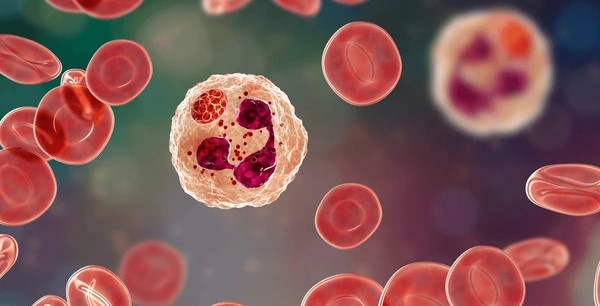
Human Granulocytic Anaplasmosis (HGA) is a tick-borne infectious disease caused by the bacterium Anaplasma phagocytophilum. It affects the white blood cells, particularly granulocytes, and can cause flu-like symptoms or more severe illness if untreated.
It is transmitted to humans through the bite of infected black-legged ticks (also known as deer ticks), which are also responsible for spreading Lyme disease.
What causes HGA?
HGA is caused by the bacterium Anaplasma phagocytophilum, which is carried by:
- Black-legged ticks (Ixodes scapularis) in the northeastern and midwestern United States
- Western black-legged ticks (Ixodes pacificus) in the western U.S.
These ticks often become infected after feeding on small mammals like mice or deer and then transmit the bacteria to humans during a bite.
Who is at risk?
- People living in or visiting wooded or grassy areas, especially in spring and summer
- Outdoor workers (e.g., farmers, hikers, campers, hunters)
- People with weakened immune systems
- Adults over age 50 (may experience more severe illness)
What are the symptoms of HGA?
Symptoms usually begin 1 to 2 weeks after a tick bite and can range from mild to severe. Common signs include:
- Fever and chills
- Headache
- Muscle aches
- Fatigue
- Nausea or vomiting
- Cough
- Confusion (in some severe cases)
- Abdominal pain
Some people may not recall a tick bite, as the ticks can be very small.
How is HGA diagnosed?
Diagnosis is based on:
- History of tick exposure
- Physical symptoms
- Blood tests, including:
- PCR testing to detect bacterial DNA
- Blood smear to look for infected white blood cells
- Complete blood count (CBC) may show low white blood cells, low platelets, or liver enzyme abnormalities
How is HGA treated?
The treatment of choice is the antibiotic doxycycline, which is effective for both adults and children of all ages.
Treatment details:
- Doxycycline 100 mg twice daily for 7–14 days
- Early treatment usually leads to full recovery
- Delay in treatment can lead to severe complications
What are the complications of untreated HGA?
- Respiratory failure
- Kidney failure
- Neurological problems
- Bleeding disorders
- Death (rare but possible, especially in older adults or immunocompromised individuals)