


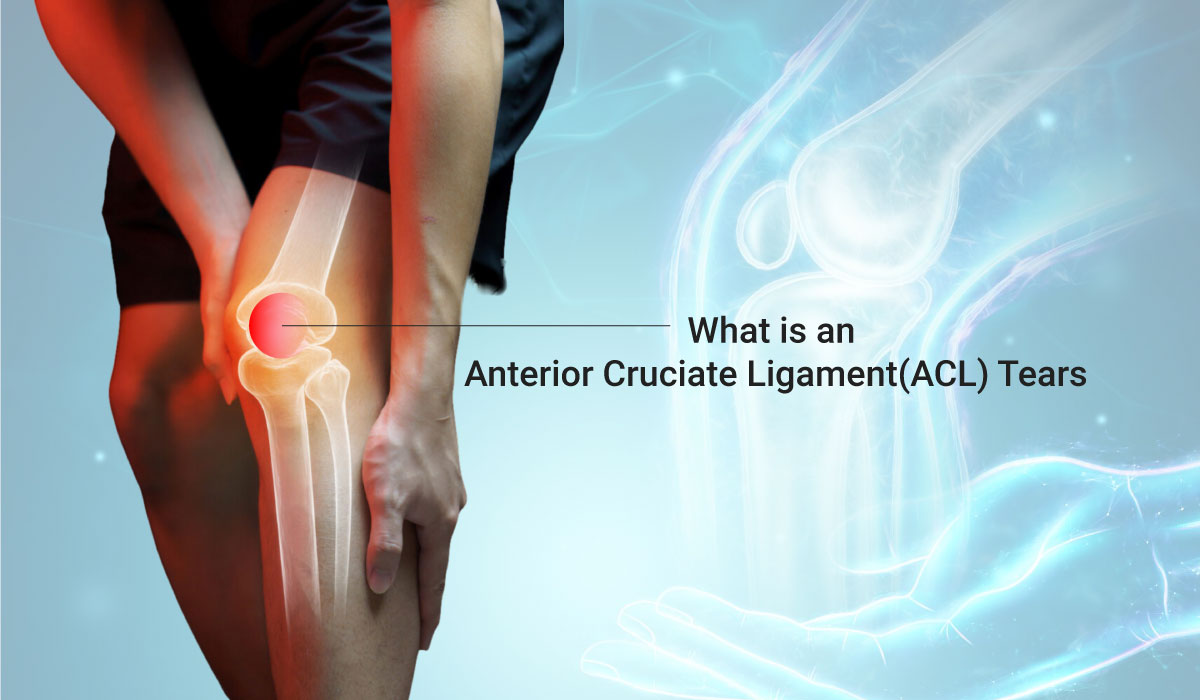
What is a Torn ACL?
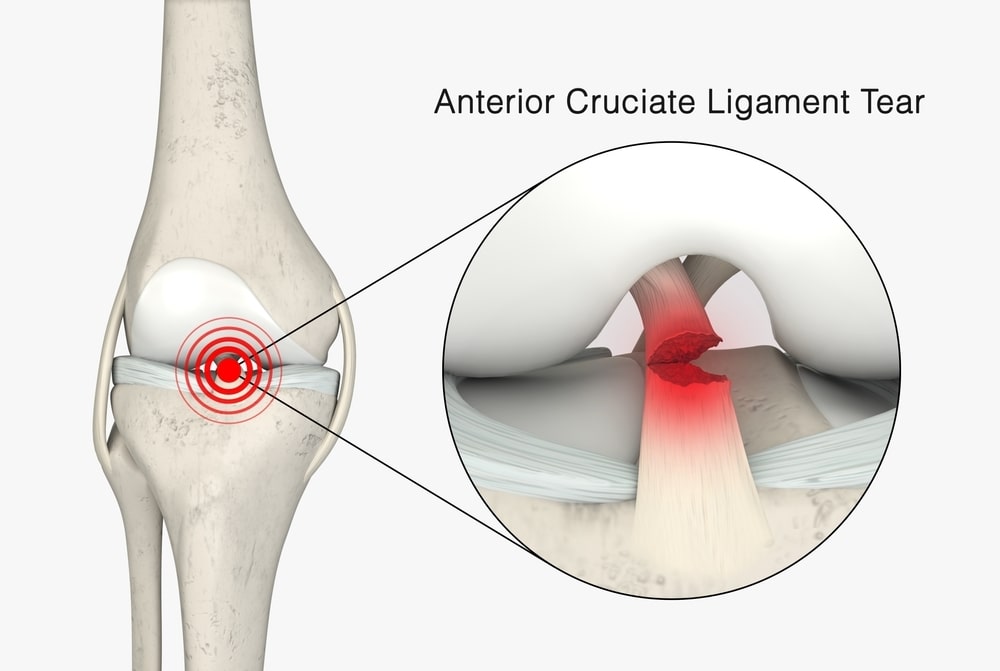
A torn ACL refers to an injury of the anterior cruciate ligament, one of the major ligaments in the knee. The ACL connects the thigh bone (femur) to the shin bone (tibia) and plays a crucial role in stabilizing the knee during movements like jumping, turning, and sudden stops.
A tear in the ACL is a common sports injury and can range from a partial tear to a complete rupture.
What Are the Symptoms of a Torn ACL?
A torn ACL often occurs suddenly during physical activity. Common signs and symptoms include:
- A loud “pop” sound or sensation in the knee at the time of injury
- Severe pain and inability to continue activity
- Rapid swelling within a few hours
- Loss of range of motion
- Instability or feeling that the knee is “giving out”
What Causes a Torn ACL?
A torn ACL typically results from:
- Sudden stops or changes in direction (common in sports like soccer, basketball, and skiing)
- Landing awkwardly from a jump
- Direct trauma to the knee (e.g., football tackle)
- Twisting motions with the foot firmly planted
Risk factors include:
- Playing high-impact sports
- Poor conditioning or weak leg muscles
- Improper footwear or playing surfaces
- Gender (females are more prone due to anatomy and hormonal factors)
How is a Torn ACL Diagnosed?
To diagnose a torn ACL, a healthcare provider may:
- Review the injury history and symptoms
- Perform a physical examination (e.g., Lachman test) to check for instability
- Order imaging tests:
- MRI to confirm the tear and assess damage to surrounding tissues
- X-rays to rule out fractures
How is a Torn ACL Treated?
Treatment depends on the severity of the tear, activity level, and age of the patient.
Non-Surgical Treatment (for partial tears or less active individuals):
- Rest, Ice, Compression, Elevation (RICE)
- Physical therapy to strengthen surrounding muscles
- Wearing a knee brace for support
Surgical Treatment (for complete tears or active individuals):
- ACL Reconstruction Surgery
- The torn ligament is replaced with a graft (usually from the patient’s own hamstring or patellar tendon)
- Typically followed by months of rehabilitation
- Goal is to restore knee stability and function
Recovery from ACL Surgery
- Recovery time varies but often takes 6–9 months
- Athletes may need up to a year before returning to full activity
- Physical therapy plays a key role in regaining strength and mobility
Complications of a Torn ACL
- Chronic knee instability
- Increased risk of re-injury
- Damage to other knee structures (meniscus, cartilage)
- Early onset of osteoarthritis
How to Prevent ACL Injuries
- Perform strength training for leg muscles, especially the hamstrings and quadriceps
- Improve balance and core stability
- Learn proper techniques for jumping, landing, and pivoting
- Wear appropriate footwear for sports
- Warm up properly before physical activity
