What is a Pressure Ulcer?
A Pressure Ulcer, also known as a bedsore or decubitus ulcer, is an injury to the skin and underlying tissue caused by prolonged pressure on the skin. It commonly occurs in people who are bedridden, immobile, or have limited ability to change positions.
What causes Pressure Ulcers?
Pressure ulcers develop due to:
- Constant pressure cutting off blood supply to the skin and tissues
- Friction and shear forces damaging the skin
- Moisture from sweating or incontinence weakening the skin
- Poor nutrition and hydration impairing skin health and healing
- Medical conditions affecting blood flow, such as diabetes or vascular disease
Common sites include heels, hips, tailbone, elbows, and shoulders.
What are the symptoms of Pressure Ulcers?
Symptoms progress through stages:
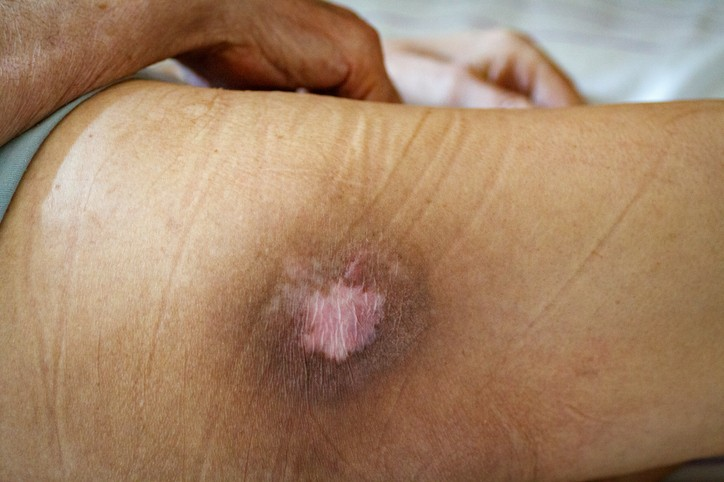
- Stage 1: Red, non-blanching skin that may feel warm or firm
- Stage 2: Partial-thickness skin loss with exposed dermis, blistering or shallow ulcers
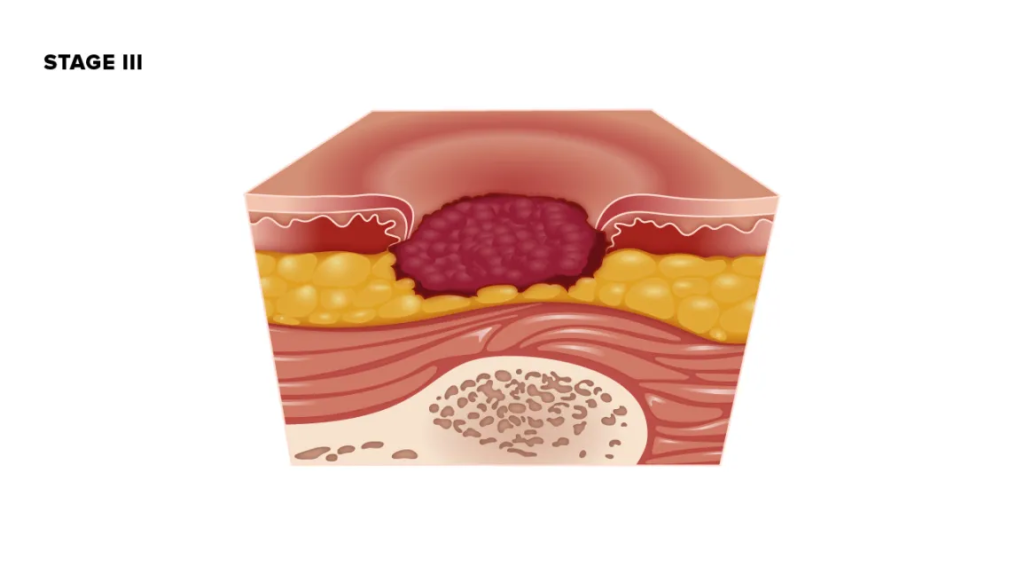
- Stage 3: Full-thickness skin loss extending into subcutaneous fat, with possible tunneling
- Stage 4: Full-thickness tissue loss with exposed muscle, bone, or tendons, often with infection
- Pain, tenderness, or a foul smell if infection occurs
How are Pressure Ulcers diagnosed?
Diagnosis involves:
- Physical examination of affected areas
- Assessment of ulcer stage and size
- Checking for signs of infection
- Reviewing patient’s medical history, mobility, and nutrition status
- Occasionally, wound cultures or imaging to assess deeper tissue involvement
What are the treatment options for Pressure Ulcers?
Treatment focuses on:
- Relieving pressure using special mattresses, cushions, and frequent repositioning
- Wound care, including cleaning, debridement (removal of dead tissue), and dressing changes
- Treating infection with antibiotics if present
- Improving nutrition and hydration to support healing
- Surgery in severe cases to close wounds or remove damaged tissue
- Physical therapy to improve mobility and prevent recurrence
What is the prognosis for Pressure Ulcers?
With timely treatment, many pressure ulcers heal, though some severe ulcers can be slow to heal and lead to serious complications like infection or sepsis. Prevention and early management improve outcomes.
How can Pressure Ulcers be prevented or managed long-term?
Prevention strategies include:
- Regularly changing positions to reduce pressure
- Using pressure-relieving devices like special mattresses or cushions
- Keeping skin clean and dry
- Maintaining good nutrition and hydration
- Managing underlying health conditions that affect skin health
- Educating caregivers and patients about pressure ulcer risks
When should I see a doctor?
Seek medical attention if:
- You notice persistent redness or wounds over bony areas
- Ulcers worsen, become painful, or show signs of infection (pus, foul odor, increased redness)
- You have difficulty healing wounds or underlying health problems
- You need advice on prevention or wound care