


What is Small Intestinal Bacterial Overgrowth (SIBO)?
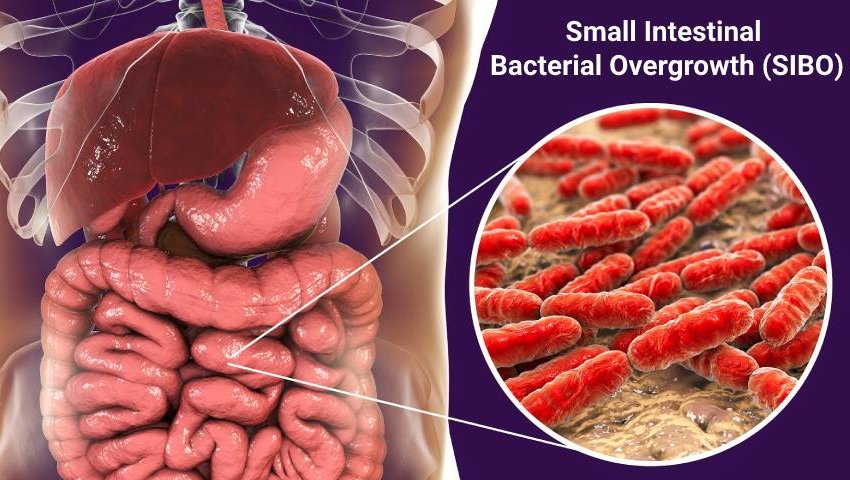
Small Intestinal Bacterial Overgrowth (SIBO) is a condition in which abnormally high numbers of bacteria grow in the small intestine. Unlike the large intestine, which normally contains many bacteria, the small intestine typically has relatively few.
When excessive bacteria accumulate, they interfere with digestion and nutrient absorption, leading to various gastrointestinal symptoms and nutrient deficiencies.
What Are the Symptoms of Small Intestinal Bacterial Overgrowth?
Symptoms of SIBO can vary and often resemble other digestive disorders such as IBS.
Common Symptoms
- Bloating and abdominal distension
- Gas and flatulence
- Diarrhea or constipation
- Abdominal discomfort or cramping
- Nausea
- Unintended weight loss
- Fatigue
- Malnutrition or vitamin deficiencies
Where Do Symptoms Usually Appear?
- Upper to mid-abdomen
- Entire abdominal region in more severe cases
What Causes Small Intestinal Bacterial Overgrowth?
SIBO occurs when the normal movement of the small intestine is disrupted, allowing bacteria to multiply excessively.
Common Causes
- Motility disorders (e.g., scleroderma, diabetes)
- Structural abnormalities (e.g., small bowel diverticula, surgical changes)
- Long-term use of proton pump inhibitors (PPIs)
- Immune system deficiencies
- Abdominal surgery (especially bowel surgeries)
How is Small Intestinal Bacterial Overgrowth Diagnosed?
SIBO is often diagnosed through a combination of symptoms and specialized tests.
Common Diagnostic Methods
- Breath test: Measures hydrogen or methane after consuming a sugar solution
- Small intestine aspirate: Involves collecting fluid from the small intestine to count bacteria
- Blood tests: May show nutritional deficiencies like vitamin B12 or anemia
How is Small Intestinal Bacterial Overgrowth Treated?
Treatment focuses on reducing bacterial overgrowth and addressing the underlying cause.
First-Line Treatments
- Antibiotics: Rifaximin is commonly used to reduce bacteria in the small intestine
- Dietary changes: Low FODMAP or elemental diets may reduce symptoms
- Nutritional supplements: To correct deficiencies in vitamins and minerals
Additional Steps
- Treat underlying conditions: Such as motility disorders or structural issues
- Probiotics: May be used in some cases, though evidence is mixed
- Regular monitoring: Especially in people with recurrent SIBO
What Are the Complications of Small Intestinal Bacterial Overgrowth?
If untreated or chronic, SIBO can lead to:
- Malabsorption of nutrients
- Vitamin B12 deficiency
- Weight loss and fatigue
- Bone disorders due to calcium and vitamin D deficiency
- Chronic gastrointestinal symptoms
How Can Small Intestinal Bacterial Overgrowth Be Prevented?
Prevention involves managing risk factors and maintaining gut health.
Tips to Prevent SIBO
- Treat underlying digestive disorders promptly
- Avoid unnecessary long-term use of acid-reducing medications
- Follow medical advice after abdominal surgeries
- Consider dietary guidance to support intestinal health
