


What is Occupational Dermatitis?
Occupational dermatitis is a type of skin inflammation or irritation that occurs due to exposure to substances in the workplace. It can manifest as eczema, rashes, or other skin conditions and typically develops when the skin comes into contact with allergens, irritants, or other harmful chemicals or materials during work. This condition is common among workers in various industries, including healthcare, construction, beauty, and manufacturing
Causes of Occupational Dermatitis
Several factors can contribute to occupational dermatitis, with the condition often triggered by exposure to harmful substances in the workplace. Common causes include:
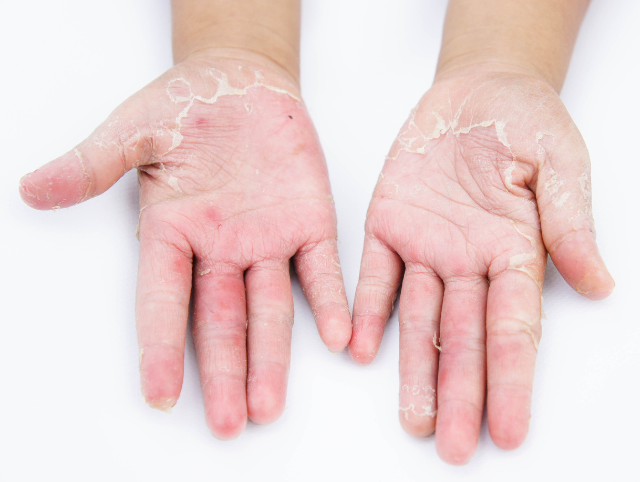
- Irritants: Repeated contact with irritants like detergents, solvents, oils, or harsh chemicals can cause skin inflammation and damage.
- Allergens: Exposure to allergens like latex, certain metals (such as nickel), or fragrances can trigger allergic reactions in sensitive individuals.
- Wet Work: Occupations that require frequent hand washing or exposure to moisture can lead to skin damage, as prolonged wetness weakens the skin’s protective barrier.
- Occupational Hazards: Exposure to certain materials or tasks, such as construction work, healthcare, or food processing, can increase the risk of developing occupational dermatitis.
- Physical Stress: Continuous friction or pressure on the skin, such as from tight-fitting gloves or machinery, can also cause irritation and skin damage.
Who is at Risk?
Certain individuals are more likely to develop occupational dermatitis due to the nature of their work or personal predisposition. Risk factors include:
- Healthcare Workers: Frequent hand washing, exposure to cleaning agents, and contact with patients’ skin can increase the risk.
- Hairdressers and Beauticians: Regular exposure to chemicals, dyes, and other substances can irritate the skin.
- Construction Workers: Contact with cement, solvents, and other building materials can cause skin irritation.
- Food Workers: Exposure to wet conditions, food processing chemicals, or allergens like wheat can contribute to dermatitis.
- Manufacturing Workers: Handling metals, oils, or machinery parts can expose workers to harmful irritants or allergens.
- People with a History of Skin Conditions: Those with pre-existing skin conditions such as eczema or psoriasis may be more susceptible to occupational dermatitis.
Symptoms of Occupational Dermatitis
The symptoms of occupational dermatitis can vary depending on the cause and severity of the condition. Common signs include:
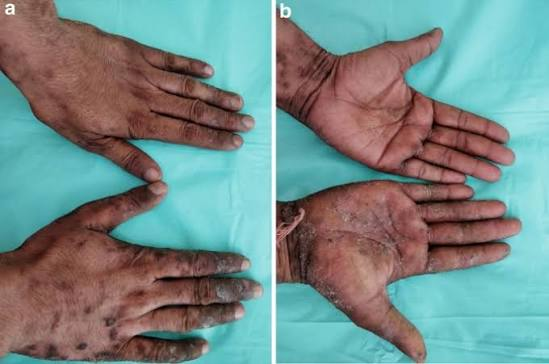
- Red, Inflamed Skin: Skin may appear red, swollen, and irritated, particularly at the site of contact with the irritant or allergen.
- Dry, Cracked Skin: Prolonged exposure can lead to dryness, flaking, and cracks in the skin.
- Itching: Intense itching is a common symptom and can worsen with scratching.
- Blisters or Rash: In severe cases, blisters may form, or a rash may develop, often accompanied by pain or burning sensations.
- Thickened Skin: Chronic exposure to irritants can lead to thickened, leathery skin due to prolonged inflammation.
- Crusting and Scaling: In some cases, the skin may crust over or scale as a result of continuous irritation.
Health Risks Associated with Occupational Dermatitis
If left untreated, occupational dermatitis can lead to more severe skin complications and long-term health issues, including:
- Chronic Skin Conditions: Repeated flare-ups can result in chronic dermatitis, causing permanent skin damage.
- Infection: Damaged skin is more susceptible to bacterial or fungal infections, which can complicate the condition.
- Scarring: Persistent scratching and inflammation may lead to scarring or permanent skin discoloration.
- Decreased Quality of Life: Chronic itching, pain, or visible skin issues can affect self-esteem and mental health.
- Workplace Disability: Severe cases of occupational dermatitis can result in missed workdays or the need to switch to a different job or task, affecting career prospects.
Diagnosis of Occupational Dermatitis
To diagnose occupational dermatitis, doctors typically perform a thorough examination, taking into account the patient’s work environment and symptoms. Diagnostic tests may include:
- Physical Examination: The doctor will inspect the affected skin areas for signs of irritation, rash, blisters, or other visible symptoms.
- Patch Testing: This involves applying small amounts of potential allergens to the skin to identify specific substances that cause a reaction.
- Skin Biopsy: In rare cases, a skin biopsy may be performed to confirm the diagnosis and rule out other skin conditions.
- Work History Review: The doctor will assess the patient’s job and exposure to specific irritants or allergens in the workplace to identify potential triggers.
Treatment of Occupational Dermatitis
Treatment for occupational dermatitis aims to relieve symptoms, prevent flare-ups, and protect the skin from further damage. Common treatment options include:

- Topical Steroids: Corticosteroid creams or ointments can reduce inflammation and relieve itching.
- Emollients and Moisturizers: Regular use of moisturizing creams or ointments can help keep the skin hydrated and protect it from further irritation.
- Antihistamines: Oral antihistamines may be recommended to alleviate itching, especially if the condition is allergic in nature.
- Avoidance of Triggers: Identifying and avoiding contact with specific irritants or allergens is a key part of managing the condition.
- Barrier Creams: Special creams or gloves can create a protective barrier between the skin and harmful substances in the workplace.
- Antibiotics: If an infection develops due to skin damage, antibiotics may be prescribed to treat bacterial or fungal infections.
- Phototherapy: In severe cases, light therapy may be used to help reduce skin inflammation and improve symptoms.
Prevention of Occupational Dermatitis
While it may not be possible to completely prevent occupational dermatitis, there are several measures that can help reduce the risk:
- Wear Protective Gear: Use gloves, aprons, or other protective clothing to shield the skin from harmful chemicals or irritants.
- Frequent Hand Moisturizing: Workers who frequently wash their hands should regularly apply moisturizers to maintain skin hydration and prevent dryness.
- Proper Skin Care: Wash the skin with mild soaps and avoid hot water, which can further dry out the skin.
- Use of Barrier Creams: Applying barrier creams before work can provide an additional layer of protection against irritants.
- Workplace Safety Measures: Employers should implement safety measures such as proper ventilation, safe handling of chemicals, and regular breaks to prevent prolonged exposure to irritants.
- Regular Skin Checks: Monitor skin for any signs of irritation or changes and seek medical advice early if symptoms appear.
When to See a Doctor
You should see a doctor if you experience:
- Persistent redness, itching, or skin irritation despite self-care measures.
- The development of blisters, cracking, or severe scaling.
- Pain, swelling, or infection in the affected area.
- A rash that does not improve or worsens with time.
- Difficulty performing work tasks due to skin discomfort or symptoms.
