


What Is Kikuchi Disease?
Kikuchi disease (also known as Kikuchi-Fujimoto disease) is a rare, benign condition characterized by lymphadenopathy (swollen lymph nodes) and fever. It is primarily seen in young women and often affects the cervical lymph nodes. The disease is thought to result from an abnormal immune response, leading to the inflammation of the lymph nodes. While the exact cause remains unclear, it is often self-limiting, meaning it tends to resolve on its own, but can sometimes require treatment to manage symptoms.
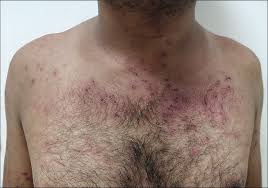
What Are the Causes of Kikuchi Disease?
Immune System Dysfunction
Kikuchi disease is thought to occur when the immune system reacts abnormally, often triggered by viral infections, autoimmune conditions, or genetic factors. The precise cause remains unknown, but an overactive immune response against self-tissues may play a role in the development of the disease.
Viral Infections
Kikuchi disease has been linked to various viral infections, including:
- Epstein-Barr Virus (EBV)
- Cytomegalovirus (CMV)
- Human Herpesvirus 6 (HHV-6)
- HIV
These viruses can trigger the abnormal immune response that causes lymph node inflammation.
Autoimmune Conditions
There is also a strong association between Kikuchi disease and autoimmune disorders, such as systemic lupus erythematosus (SLE). In some cases, Kikuchi disease may coexist with lupus or other autoimmune diseases, which may contribute to the disease’s development.
Genetic Susceptibility
Some genetic factors may predispose certain individuals to Kikuchi disease. It has been observed to be more common in people of Asian descent, particularly in young women.

What Are the Symptoms of Kikuchi Disease?
Lymphadenopathy
The most prominent symptom of Kikuchi disease is swollen lymph nodes, particularly in the neck (cervical region). These swollen nodes can be tender to the touch and may fluctuate in size.
Fever
A low-grade fever is common and often precedes or accompanies the swollen lymph nodes. The fever may come and go, lasting for several days or weeks.
Fatigue
Patients may experience general fatigue or a feeling of being unwell, which can persist even after the fever subsides.
Sore Throat
A sore throat is another common symptom that can occur in conjunction with the lymph node swelling. This is often mistaken for a simple throat infection.
Joint Pain
Mild joint pain or stiffness may accompany Kikuchi disease, particularly in patients with coexisting autoimmune conditions like lupus.
Night Sweats
Some individuals with Kikuchi disease may experience night sweats, often in conjunction with fever.
Headaches
A headache, often mild to moderate in intensity, may occur alongside other systemic symptoms.
How Is Kikuchi Disease Diagnosed?
Physical Examination
A healthcare provider will first perform a physical exam, noting signs of swollen, tender lymph nodes in the neck and other affected areas. They will also assess the patient for other symptoms such as fever, fatigue, and joint pain.
Blood Tests
Blood tests may be conducted to rule out other causes of the symptoms, such as infections or autoimmune diseases. These tests may include a complete blood count (CBC) and tests to check for markers of inflammation, such as the erythrocyte sedimentation rate (ESR) or C-reactive protein (CRP).
Lymph Node Biopsy
The definitive diagnosis of Kikuchi disease often requires a biopsy of the affected lymph node. Microscopic examination of the tissue reveals characteristic signs of the disease, such as areas of necrosis (tissue death) and the presence of certain immune cells like histiocytes and necrotic debris.
Imaging Studies
In some cases, imaging tests like ultrasound or CT scans may be used to assess the extent of lymph node swelling and rule out other conditions that might mimic Kikuchi disease.
How Is Kikuchi Disease Treated?
Symptomatic Treatment
In many cases, Kikuchi disease resolves on its own without the need for specific treatment. The main goal of treatment is to manage symptoms and provide relief:
- Pain relievers and anti-inflammatory medications like ibuprofen or acetaminophen can help reduce pain and fever.
- Steroids may be prescribed for more severe symptoms or persistent cases of lymphadenopathy.
Antiviral or Antibacterial Medications
If a viral or bacterial infection is suspected to be the trigger, antiviral or antibacterial medications may be considered, but this is not common as Kikuchi disease is generally not caused by active infections.
Immunosuppressive Medications
For patients with underlying autoimmune diseases like lupus, immunosuppressive medications may be used to manage the underlying condition and prevent flare-ups of Kikuchi disease.
Observation
In most cases, Kikuchi disease is self-limiting, meaning it resolves on its own. Regular follow-up visits may be recommended to monitor the patient’s progress and ensure symptoms are not worsening.
How Can Kikuchi Disease Be Prevented?
No Known Prevention
There is no known way to prevent Kikuchi disease, as the exact cause remains unclear and it is often linked to viral infections or autoimmune conditions. However, managing underlying conditions like lupus may help reduce the risk of developing Kikuchi disease in those predisposed.
Reducing Risk of Infections
While Kikuchi disease is not directly caused by infections, avoiding known viral infections and maintaining a strong immune system may help reduce the risk of developing the condition in people who are genetically predisposed.
Regular Medical Monitoring for Autoimmune Conditions
For individuals with autoimmune diseases like lupus, regular medical check-ups and early management of symptoms can help prevent complications like Kikuchi disease.
