


What is a Jaw Cyst?
A jaw cyst is a fluid-filled sac or cavity that develops in the jawbone or soft tissues of the mouth. Most jaw cysts are benign (non-cancerous) but can grow in size over time and may cause damage to nearby teeth or bone if left untreated.
Jaw cysts can develop for various reasons, often associated with impacted teeth, infections, or developmental issues.
What causes a Jaw Cyst?
Jaw cysts can arise from different causes, depending on the type. Common causes include:
- Impacted or unerupted teeth (especially wisdom teeth)
- Dental infections or trauma
- Developmental abnormalities
- Genetic conditions like Gorlin-Goltz syndrome (nevoid basal cell carcinoma syndrome)
- Cystic tumors such as odontogenic keratocysts
Types of jaw cysts include:
- Radicular cyst: Often develops at the root of a dead tooth.
- Dentigerous cyst: Forms around the crown of an unerupted or impacted tooth.
- Odontogenic keratocyst (OKC): Aggressive and may recur after removal.
- Nasopalatine duct cyst: Located in the front of the upper jaw.
What are the symptoms of a Jaw Cyst?
In many cases, jaw cysts do not cause symptoms and are found incidentally on dental X-rays. However, larger cysts may cause:
- Swelling in the jaw or face
- Pain or discomfort
- Loose teeth
- Difficulty opening the mouth
- Changes in bite or alignment
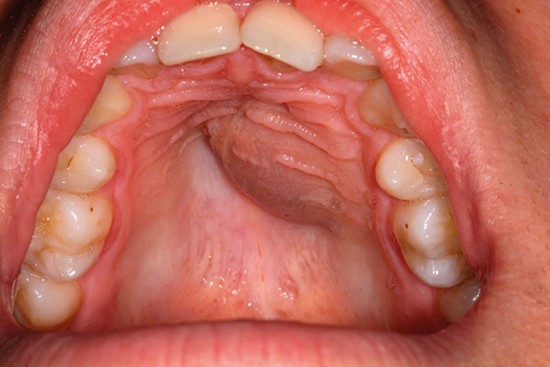
- Visible bulging inside the mouth or on the gums
Infected cysts may cause fever, pus, or foul taste in the mouth.

How is a Jaw Cyst diagnosed?
Jaw cysts are typically diagnosed by a dentist or oral surgeon using:
- Dental X-rays or panoramic radiographs
- CT scan or MRI to assess the size and exact location
- Biopsy to determine the type of cyst and rule out cancer
Early detection is important to avoid complications.
How is a Jaw Cyst treated?
Treatment depends on the type, size, and location of the cyst, and may include:
- Surgical removal (enucleation): The most common treatment, especially for larger or aggressive cysts.
- Marsupialization: A procedure to drain and shrink large cysts before full removal.
- Tooth extraction: If the cyst is associated with an impacted or infected tooth.
- Bone grafting or reconstruction: In cases where the cyst has caused bone loss.
Regular monitoring is sometimes recommended for small, non-aggressive cysts.
What is the prognosis for a Jaw Cyst?
Most jaw cysts are benign and treatable, especially if caught early. However, some types (like odontogenic keratocysts) have a higher risk of recurrence and may require long-term follow-up.
With proper treatment and good oral hygiene, the outlook is generally excellent.
Key facts to remember
- A jaw cyst is a non-cancerous fluid-filled sac in the jawbone or soft tissue
- It may develop due to impacted teeth, infections, or genetic factors
- Symptoms can include swelling, pain, and loose teeth, but some are symptomless
- Diagnosed through imaging and biopsy
- Treatment often involves surgical removal
- Prognosis is usually good, though recurrence can occur with certain types
