


What is CADASIL?
CADASIL is a rare, inherited disorder that affects the small blood vessels in the brain. It causes a variety of neurological problems including recurrent strokes, migraines (often with aura), mood disturbances, and gradual cognitive decline. CADASIL is considered the most common hereditary stroke disorder.
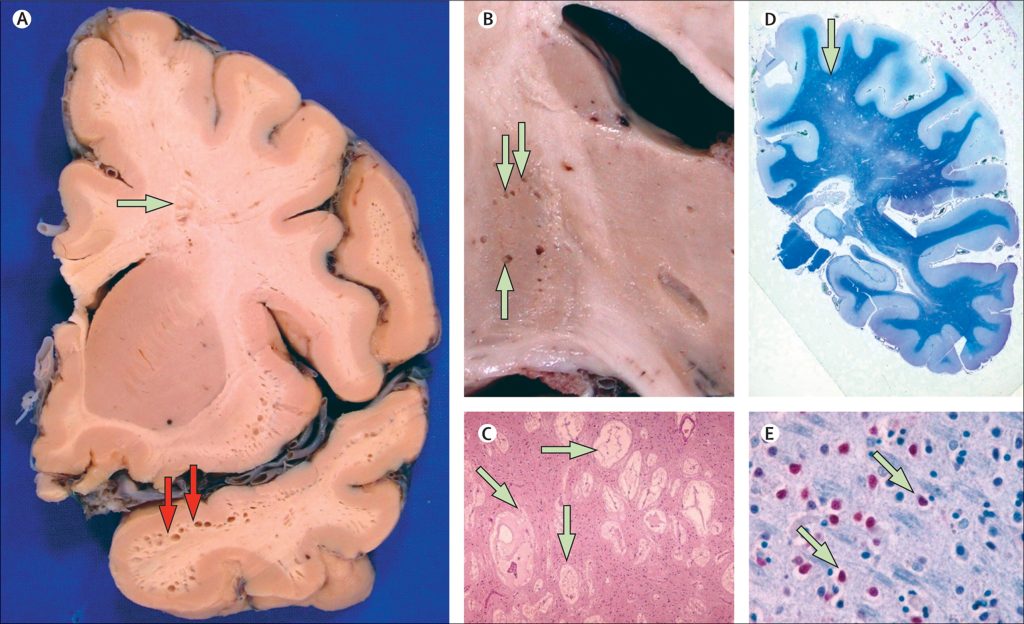
Causes
CADASIL is caused by mutations in the NOTCH3 gene, which affects the muscle cells lining the small blood vessels. It is inherited in an autosomal dominant pattern, meaning only one copy of the faulty gene (from one parent) is enough to cause the disease.
Symptoms
- Recurrent strokes or transient ischemic attacks (TIAs)
- Migraines, usually with visual aura
- Progressive memory problems and cognitive decline
- Difficulty with concentration and executive functioning
- Mood disorders like depression and apathy
- Seizures (less common)
- Gait disturbances and balance issues

When Do Symptoms Appear?
Symptoms usually start between the ages of 30 and 50, though some may begin earlier or later. The progression and severity can vary greatly between individuals, even within the same family.
Diagnosis
Diagnosing CADASIL involves:
- A thorough medical and family history
- Brain MRI scans showing white matter changes (especially in the temporal lobes)
- Genetic testing to identify a mutation in the NOTCH3 gene
- Sometimes, a skin biopsy is performed to examine the blood vessels for typical changes associated with the disorder
Treatment
There is currently no cure for CADASIL. Treatment focuses on symptom management and stroke prevention:
- Controlling blood pressure and other cardiovascular risk factors
- Avoiding smoking and maintaining a healthy lifestyle
- Medications to manage migraines, mood disorders, and seizures
- Cognitive therapy or rehabilitation may be helpful
- Support from neurologists, mental health professionals, and physical therapists

Complications
- Recurrent strokes can lead to permanent physical or cognitive disabilities
- Progressive dementia in advanced stages
- Emotional and psychological challenges such as depression or anxiety
- Dependence on caregivers due to progressive loss of function
Living with CADASIL
Living with CADASIL requires regular medical monitoring and support. A multidisciplinary care approach, including neurologists, genetic counselors, psychologists, and therapists, is often necessary. Genetic counseling is recommended for affected individuals and their families to understand the inheritance pattern and potential risks for future generations.