


What is Hodgkin’s Lymphoma?
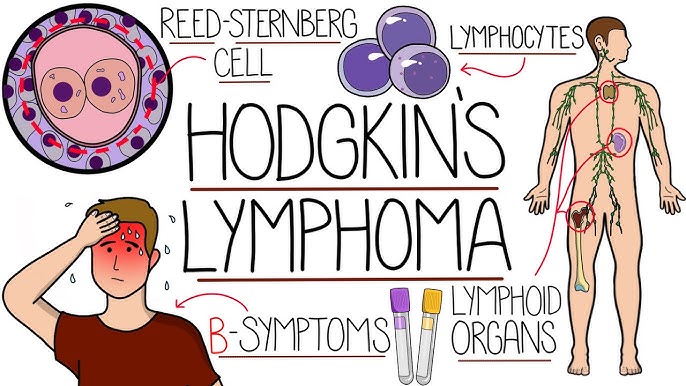
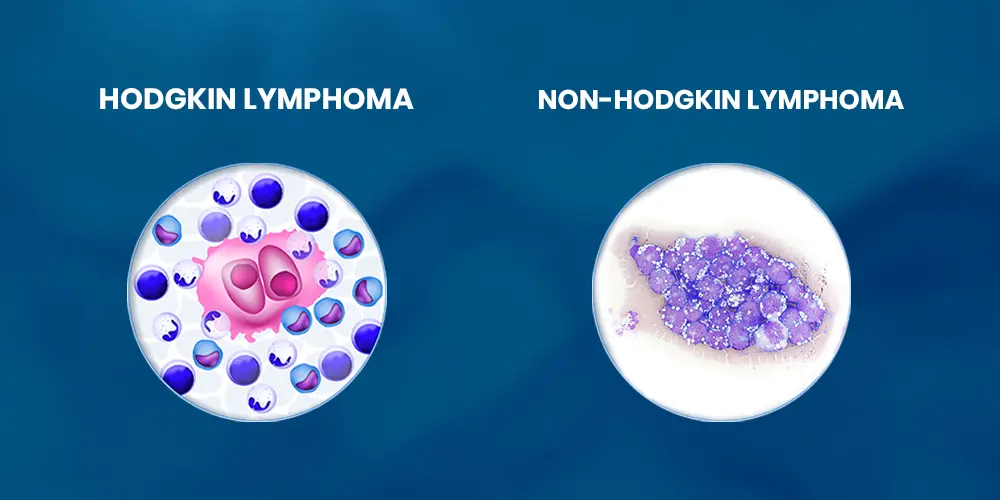
Hodgkin’s lymphoma, also known as Hodgkin’s disease, is a type of cancer that affects the lymphatic system, which is part of the immune system. It causes cells in the lymphatic system—mainly lymphocytes (a type of white blood cell)—to grow abnormally and form tumors. A key characteristic of Hodgkin’s lymphoma is the presence of Reed-Sternberg cells, which can be seen under a microscope.
What Causes Hodgkin’s Lymphoma?
The exact cause is unknown, but several factors may increase the risk, including:
- Epstein-Barr virus (EBV) infection
- A weakened immune system
- A family history of lymphoma
- Age (most common in people between 15–30 and over 55)
- Gender (slightly more common in males)
Hodgkin’s lymphoma is not contagious.
What Are the Symptoms?
Common symptoms include:
- Painless swelling of lymph nodes, especially in the neck, armpits, or groin
- Unexplained fever
- Night sweats
- Unintended weight loss
- Persistent fatigue
- Itching
- Cough, chest pain, or difficulty breathing (if lymph nodes in the chest are involved)
These symptoms are sometimes called B symptoms (fever, weight loss, and night sweats), which can affect treatment decisions and prognosis.
How Is It Diagnosed?
Diagnosis usually involves:
- Physical examination (checking for swollen lymph nodes)
- Blood tests
- Imaging tests (CT, PET, or X-rays to find affected nodes)
- Lymph node biopsy (to confirm the presence of Reed-Sternberg cells)
- Bone marrow biopsy (in some cases to check for spread)
Staging is important to determine how far the cancer has spread.
What Is the Treatment?
Treatment depends on the stage of the disease, the person’s age, and overall health. Common options include:
- Chemotherapy – main treatment to kill cancer cells
- Radiation therapy – used in combination with chemo in early stages or localized disease
- Targeted therapy – drugs like brentuximab vedotin for relapsed or refractory cases
- Immunotherapy – such as checkpoint inhibitors (e.g., nivolumab, pembrolizumab)
- Stem cell transplant – in some cases where lymphoma returns after treatment
Are There Any Complications?
Complications may arise from both the disease and the treatments:
- Increased risk of infections
- Secondary cancers due to radiation or chemotherapy
- Infertility (from certain treatments)
- Heart or lung damage (especially after radiation)
- Fatigue or long-term immune suppression
Regular follow-up care is important to manage side effects and detect any recurrence.
What Is the Outlook?
The outlook for Hodgkin’s lymphoma is generally very good, especially when diagnosed early. With modern treatment:
- Over 85% of people with early-stage Hodgkin’s lymphoma are cured
- Even in advanced cases, long-term remission is possible
Prognosis depends on age, stage, overall health, and response to treatment.
How Can It Be Managed or Prevented?
There is no known way to prevent Hodgkin’s lymphoma, but management involves:
- Early detection of symptoms
- Regular follow-up appointments
- Monitoring for side effects of treatment
- Healthy lifestyle choices (balanced diet, exercise, avoiding tobacco and alcohol)
- Vaccinations to prevent infections if immune system is weakened
