What is Spinal Stenosis?
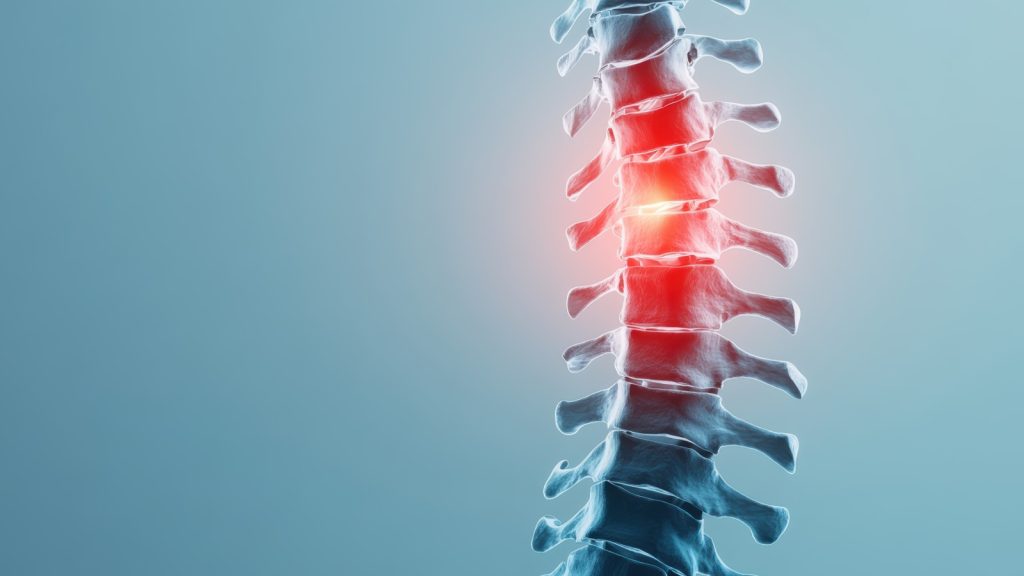
Spinal Stenosis is a condition where the spaces within the spine narrow, putting pressure on the spinal cord and nerves. This narrowing most commonly occurs in the lower back and neck.
It often results from age-related changes in the spine but can also be caused by injury or other conditions.

What Are the Symptoms of Spinal Stenosis?
Symptoms may develop gradually and vary in intensity.
Common Symptoms
- Pain in the lower back or neck
- Numbness or tingling in the arms, hands, legs, or feet
- Weakness in the limbs
- Difficulty walking or maintaining balance
- Cramping or aching in the legs when standing or walking (neurogenic claudication)
Where Do Symptoms Usually Appear?
- Lower back (lumbar stenosis) affecting legs and feet
- Neck (cervical stenosis) affecting arms and hands
What Causes Spinal Stenosis?
Spinal Stenosis is mainly caused by changes in the spine due to aging.
Causes
- Osteoarthritis leading to bone spurs
- Thickening of ligaments
- Herniated discs
- Spinal injuries or fractures
- Congenital spinal canal narrowing
How is Spinal Stenosis Diagnosed?
Diagnosis involves a combination of clinical evaluation and imaging.
Common Diagnostic Methods
- Physical and neurological exam
- MRI to visualize soft tissues and nerves
- CT scan for detailed bone structure imaging
- X-rays to check for bone changes
How is Spinal Stenosis Treated?
Treatment aims to relieve symptoms and improve function.
First-Line Treatments
- Physical therapy to strengthen muscles and improve mobility
- Medications such as pain relievers and anti-inflammatories
- Corticosteroid injections to reduce inflammation
Additional Treatments
- Assistive devices like braces or canes
- Surgery in severe cases to decompress the spinal cord or nerves
What Are the Complications of Spinal Stenosis?
If untreated, complications can include:
- Increased pain and disability
- Loss of bladder or bowel control (in severe cases)
- Permanent nerve damage
How Can Spinal Stenosis Be Prevented?
While some causes like aging cannot be prevented, these steps may reduce risk or slow progression:
Tips to Prevent Spinal Stenosis
- Maintain good posture
- Regular exercise to strengthen back muscles
- Avoid heavy lifting or injury to the spine
- Manage arthritis and other underlying conditions