


What Is Radiodermatitis?
Radiodermatitis, also known as radiation dermatitis or radiation-induced skin injury, is an inflammatory skin condition resulting from exposure to ionizing radiation. It commonly occurs in patients undergoing radiotherapy for cancer treatment but can also result from interventional procedures involving radiation.
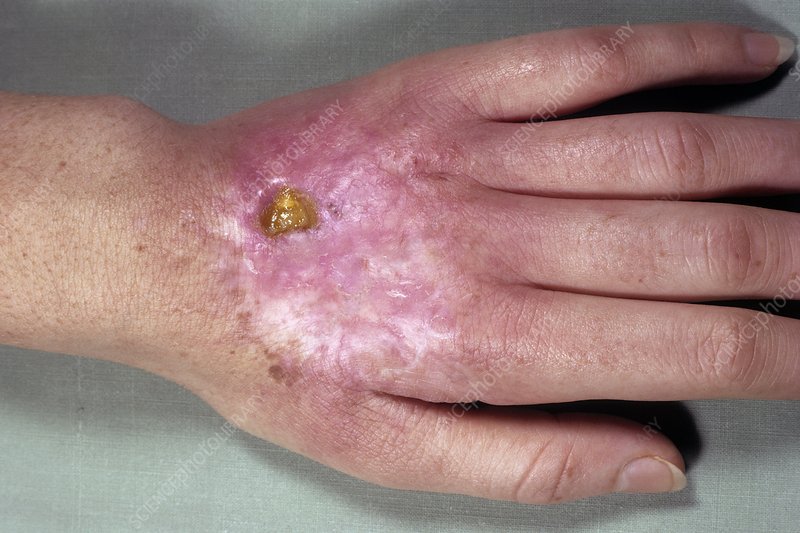
What Are the Symptoms of Radiodermatitis?
Symptoms of radiodermatitis can vary depending on the severity and stage of the condition:
- Acute Stage (within days to weeks of exposure):
- Redness (erythema)
- Dryness and itching
- Peeling or flaking skin (desquamation)
- Blistering in severe cases.
- Chronic Stage (months to years after exposure):
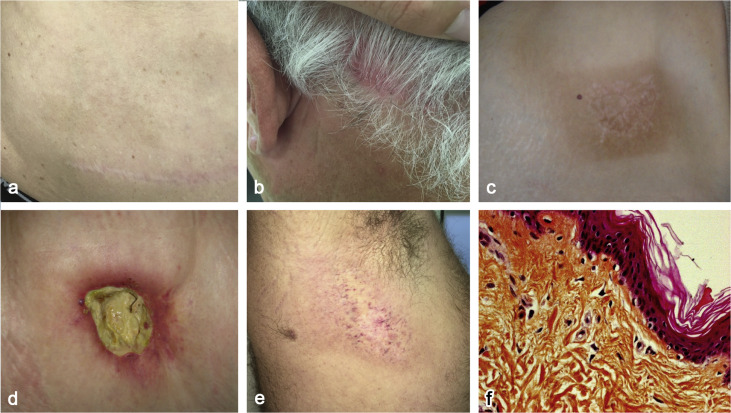
- Skin atrophy (thinning)
- Telangiectasia (small blood vessel dilation)
- Hyperpigmentation or hypopigmentation
- Ulceration or fibrosis in severe cases
What Causes Radiodermatitis?
Radiodermatitis is primarily caused by:
- Exposure to ionizing radiation during cancer treatment or diagnostic procedures
- Damage to skin cells, blood vessels, and connective tissue from radiation
- Inflammatory responses leading to skin changes
How Is Radiodermatitis Diagnosed?
Diagnosis is typically based on:
- Clinical Evaluation: Assessment of symptoms and medical history
- Physical Examination: Inspection of the affected skin area
- Imaging Tests: In some cases, to assess deeper tissue involvement
- Biopsy: Rarely needed, but may be performed if other conditions are suspected
What Are the Treatment Options for Radiodermatitis?
Treatment aims to alleviate symptoms and promote healing:
- Topical Therapies:
- Use of emollients and moisturizers to soothe the skin
- Application of corticosteroid creams for inflammation
- Use of silver sulfadiazine cream for infection prevention
- Wound Care:
- Keeping the affected area clean and dry
- Applying non-stick dressings to protect the skin
- Monitoring for signs of infection
- Pain Management:
- Use of analgesics as prescribed
- Avoiding tight clothing or friction on the affected area
- Elevating limbs if swelling is present
What Is the Prognosis for Individuals with Radiodermatitis?
The prognosis depends on the severity and management of the condition:
- Mild Cases: Often resolve with appropriate skin care and treatment
- Severe Cases: May lead to long-term skin changes, including fibrosis or ulceration
- Chronic Effects: In some cases, persistent skin changes may require ongoing management
How Can Radiodermatitis Be Prevented?
Preventive measures include:
- Skin Care:
- Applying moisturizers before, during, and after radiation therapy
- Avoiding harsh soaps and hot water on the treated area
- Wearing loose-fitting, soft clothing to reduce friction
- Protecting the skin from sun exposure
- Radiation Planning:
- Using techniques to minimize radiation dose to healthy skin
- Employing bolus materials to ensure uniform dose distribution
- Regular monitoring of skin condition during treatment.
