


What Are Neurocutaneous Syndromes?
Neurocutaneous syndromes are a group of genetic disorders that affect both the nervous system and the skin. These conditions are characterized by the development of neurological symptoms (such as seizures, developmental delays, or cognitive impairment) along with specific skin abnormalities. They are often congenital (present at birth) and may lead to progressive symptoms over time.
Because these syndromes affect multiple body systems, they are also known as phakomatoses. The most common neurocutaneous syndromes include neurofibromatosis, tuberous sclerosis, and Sturge-Weber syndrome.
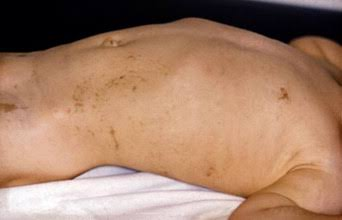
What Causes Neurocutaneous Syndromes?
Neurocutaneous syndromes are typically caused by genetic mutations that affect the growth and development of the nervous system and the skin. These genetic changes are often inherited in an autosomal dominant manner, meaning that one copy of the mutated gene from either parent can lead to the condition.
The conditions are genetically inherited (in most cases), though some cases may result from spontaneous mutations.
What Are the Main Types of Neurocutaneous Syndromes?
There are several types of neurocutaneous syndromes, each with its own set of characteristics and associated symptoms. The main types include:
1. Neurofibromatosis Type 1 (NF1)
- Cause: Caused by mutations in the NF1 gene, which produces the protein neurofibromin that helps control cell growth.
- Symptoms:
- Café-au-lait spots (light brown skin patches)
- Neurofibromas (benign tumors of the nerves)
- Lisch nodules (benign growths on the iris of the eye)
- Learning disabilities and ADHD (attention-deficit hyperactivity disorder)
- Skeletal problems such as scoliosis
- Increased risk of developing malignant tumors
- Inheritance: Autosomal dominant
2. Neurofibromatosis Type 2 (NF2)
- Cause: Caused by mutations in the NF2 gene, which produces the merlin protein, which helps control cell growth.
- Symptoms:
- Bilateral vestibular schwannomas (tumors that affect balance and hearing)
- Hearing loss, tinnitus (ringing in the ears), and balance issues
- Cataracts (clouding of the lens of the eye)
- Meningiomas (tumors of the meninges, the lining around the brain and spinal cord)
- Inheritance: Autosomal dominant
3. Tuberous Sclerosis Complex (TSC)
- Cause: Caused by mutations in the TSC1 or TSC2 genes, which produce proteins that regulate cell growth and prevent excessive cell division.
- Symptoms:
- Cortical tubers (growths in the brain)
- Seizures (which can be difficult to control)
- Developmental delay and intellectual disability
- Angiofibromas (skin tumors)
- Hypomelanotic macules (lighter-than-normal skin patches)
- Kidney cysts and tumors
- Cardiac rhabdomyomas (benign heart tumors)
- Inheritance: Autosomal dominant
4. Sturge-Weber Syndrome (SWS)
- Cause: This condition is caused by a mutation in the GNAQ gene, though the exact cause is not fully understood. It is not typically inherited.
- Symptoms:
- Port-wine stain birthmark on the face (a reddish-purple birthmark)
- Seizures, which often begin in infancy
- Glaucoma (elevated pressure within the eye)
- Neurological deficits, including developmental delay, hemiparesis (weakness on one side of the body), and cognitive impairment
- Cerebral atrophy (shrinking of brain tissue) and vascular malformations in the brain
- Inheritance: Most cases are not inherited (sporadic)
5. Von Hippel-Lindau Disease (VHL)
- Cause: Caused by mutations in the VHL gene, which helps control the growth of blood vessels.
- Symptoms:
- Hemangioblastomas (tumors of the blood vessels, most commonly in the brain, spinal cord, and retina)
- Renal cell carcinoma (kidney cancer)
- Pheochromocytomas (tumors of the adrenal glands)
- Endolymphatic sac tumors (tumors in the inner ear)
- Inheritance: Autosomal dominant
What Are the Symptoms of Neurocutaneous Syndromes?

Symptoms vary depending on the specific syndrome but often include a combination of neurological and skin-related issues. Common symptoms across various syndromes may include:
- Seizures or other neurological problems (e.g., headaches, weakness, balance issues)
- Developmental delays or intellectual disability
- Skin changes such as birthmarks (e.g., café-au-lait spots, port-wine stains)
- Benign tumors in the skin, nerves, or other organs
- Vision problems, including cataracts or eye tumors
- Hearing loss or balance problems
- Skeletal abnormalities like scoliosis (curved spine)
How Are Neurocutaneous Syndromes Diagnosed?
Diagnosis of neurocutaneous syndromes generally involves:
- Clinical examination – Doctors look for signs such as characteristic skin lesions (e.g., café-au-lait spots, port-wine stains) and other neurological symptoms.
- Genetic testing – Testing for mutations in specific genes (e.g., NF1, TSC1, TSC2, GNAQ) helps confirm the diagnosis.
- Imaging tests (CT scans, MRIs) – To look for brain abnormalities, tumors, or other changes associated with the syndrome.
- Ophthalmologic examination – For conditions like Lisch nodules (in NF1) or cataracts (in NF2).
- Blood tests – To check for any related genetic or metabolic abnormalities.
How Are Neurocutaneous Syndromes Treated?
There is no cure for neurocutaneous syndromes, but treatment focuses on managing symptoms and preventing complications:
- Surgical removal of tumors or growths (e.g., neurofibromas, meningiomas)
- Seizure management using antiepileptic drugs to control seizures
- Physical therapy and occupational therapy to help with developmental delays or motor impairments
- Vision and hearing aids for sensory impairments like cataracts or hearing loss
- Regular monitoring for potential complications, such as the development of malignant tumors in NF1 or kidney cysts in TSC
Treatment plans are tailored to each individual and depend on the specific syndrome, severity of symptoms, and age of onset.
What Is the Prognosis for Neurocutaneous Syndromes?

The prognosis for individuals with neurocutaneous syndromes varies depending on the specific condition, severity of symptoms, and age of diagnosis. Some individuals with mild forms of the syndrome can live relatively normal lives, while others with more severe forms may experience significant physical or developmental challenges.
- Neurofibromatosis: People with NF1 often have a normal life expectancy, though they may face challenges like learning disabilities or the development of tumors. NF2 may cause hearing loss or balance issues, but many individuals can live into adulthood.
- Tuberous sclerosis: The prognosis depends on the severity of symptoms. Some individuals have mild intellectual disability and seizures, while others may have more severe neurological impairments.
- Sturge-Weber syndrome: The prognosis can vary significantly depending on the extent of brain involvement. Individuals may experience developmental delays or cognitive deficits, and seizures can often be controlled with treatment.
- Von Hippel-Lindau disease: Individuals with VHL require ongoing monitoring for the development of tumors. Early diagnosis and treatment can improve the prognosis.
How Can Neurocutaneous Syndromes Be Prevented?
Since neurocutaneous syndromes are genetic, prevention is not always possible. However, genetic counseling may help families understand the risk of inheritance and the likelihood of passing on the condition. Prenatal testing may also be offered to assess for genetic mutations.
Lifestyle Modifications:
- Regular medical check-ups to monitor for early signs of tumors or other complications.
- Seizure management through medications and lifestyle adjustments.
- Early intervention for developmental delays to improve outcomes.
