What Is Neuralgic Amyotrophy?
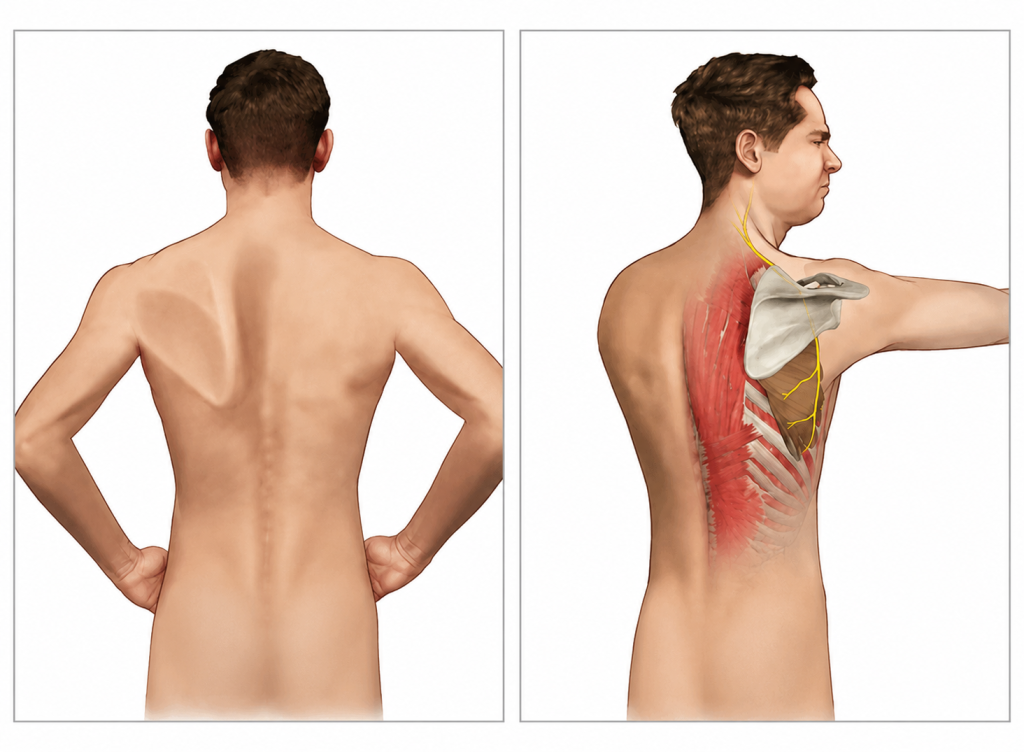
Neuralgic Amyotrophy (NA), also known as Parsonage-Turner Syndrome, is a rare neurological disorder that affects the brachial plexus—the network of nerves that control the shoulders, arms, and hands. It typically begins with sudden, severe shoulder or upper arm pain, followed by muscle weakness, numbness, and wasting (atrophy) in the affected area. The condition can affect one or both sides of the body, although it more commonly affects just one.
What Causes Neuralgic Amyotrophy?
The exact cause is not fully understood, but it is believed to be an autoimmune response triggered by various factors, including:
- Viral or bacterial infections
- Vaccinations
- Surgery
- Physical trauma
- Excessive exercise or strain
- Genetic predisposition (in hereditary cases)
In many cases, no specific trigger is identified.
What Are the Types of Neuralgic Amyotrophy?
There are two main forms:
- Idiopathic (sporadic) NA – The most common form, appears suddenly and without family history.
- Hereditary Neuralgic Amyotrophy (HNA) – A rare inherited form passed through families; symptoms may recur throughout life.
What Are the Symptoms of Neuralgic Amyotrophy?
The condition typically develops in two phases:
Phase 1 – Pain:
- Sudden onset of intense, sharp, or burning pain in the shoulder, arm, or upper back
- Pain lasting from days to a few weeks
- Often worse at night or with movement
Phase 2 – Weakness and Atrophy:
- Muscle weakness in the shoulder, arm, forearm, or hand
- Muscle wasting (shrinkage or atrophy)
- Numbness or tingling
- Limited range of motion
- Asymmetry between the arms or shoulders
How Is Neuralgic Amyotrophy Diagnosed?
Diagnosis is largely clinical and may include:
- Detailed medical history and physical exam
- Electromyography (EMG) – To assess nerve and muscle function
- Nerve conduction studies – To detect nerve damage
- MRI of the brachial plexus or cervical spine – To rule out other causes of symptoms
- Blood tests – To exclude other autoimmune or infectious diseases
What Are the Treatment Options for Neuralgic Amyotrophy?
There is no cure, but treatment focuses on pain control and rehabilitation:
Acute Phase (Pain Management):
- NSAIDs or corticosteroids to reduce inflammation
- Gabapentin or pregabalin for nerve pain
- Opioids (in severe cases, short-term use only)
- Rest and activity modification
Recovery Phase (Rehabilitation):
- Physical therapy – To maintain range of motion and prevent stiffness
- Occupational therapy – To improve function in daily tasks
- Strength training – As muscles begin to recover
- Bracing or splints – To support weak limbs or prevent deformities
What Is the Prognosis for Neuralgic Amyotrophy?

- Most people begin to recover within weeks to months, but full recovery can take 1 to 3 years.
- Some individuals may experience permanent weakness or incomplete recovery.
- Recurrence is possible, especially in hereditary cases.
What Are the Possible Complications?
If left untreated or severe, complications may include:
- Chronic shoulder or arm pain
- Long-term muscle weakness or atrophy
- Reduced arm or hand function
- Joint stiffness or deformity
- Psychological effects such as anxiety or depression due to disability
Can Neuralgic Amyotrophy Be Prevented?
There is no guaranteed way to prevent NA, but you can reduce risk by:
- Managing infections and autoimmune conditions early
- Avoiding overexertion of the shoulder muscles
- Discussing vaccination timing if there’s a family history of HNA
- Seeking prompt treatment at the first sign of severe shoulder pain