


What is Rosacea?
Rosacea is a chronic skin condition that primarily affects the face, causing redness, visible blood vessels, and sometimes small, red, pus-filled bumps. It tends to come and go in flare-ups and is most commonly seen in adults with fair skin. Although the exact cause is unknown, it may be linked to genetics, immune system factors, and environmental triggers.
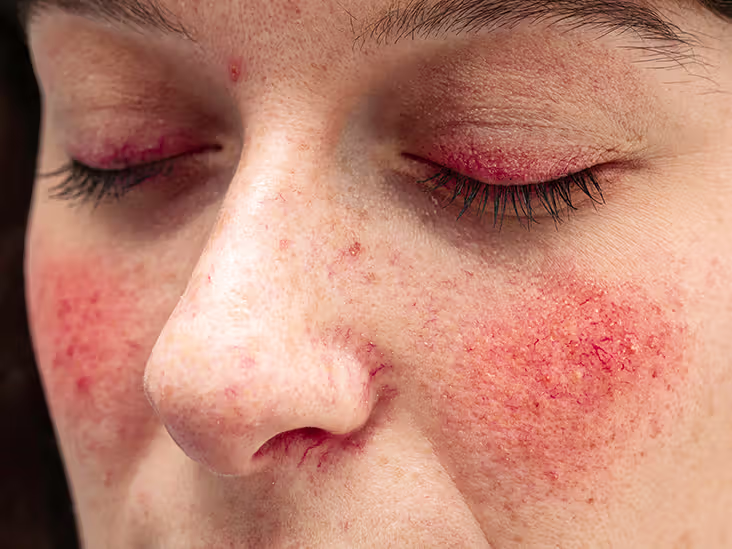
Common Signs and Symptoms
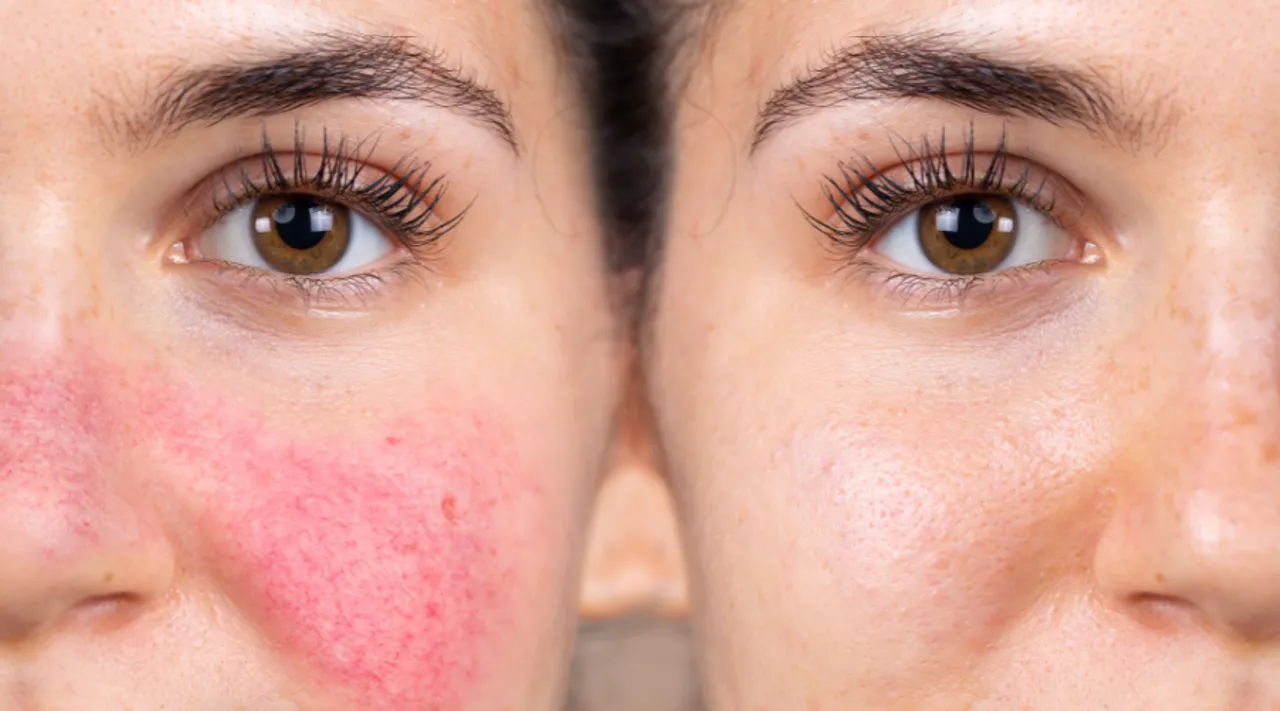
- Persistent facial redness (especially on the cheeks, nose, chin, and forehead)
- Flushing or blushing easily
- Small visible blood vessels (telangiectasia)
- Bumps or pimples resembling acne
- Burning or stinging sensation on the skin
- Dry, rough, or thickened skin in affected areas
- Swollen or irritated eyes (ocular rosacea) in some cases
- Enlarged nose (rhinophyma), mainly in severe or untreated cases
What Causes Rosacea?
The exact cause of rosacea is unknown, but several factors may contribute:
- Genetic predisposition
- Abnormal immune response
- Skin mites (Demodex)
- Bacterial involvement (Helicobacter pylori)
- Environmental and lifestyle triggers (e.g., sun exposure, spicy foods, alcohol, stress, hot beverages, extreme temperatures)
Types of Rosacea
- Erythematotelangiectatic Rosacea – Redness and visible blood vessels
- Papulopustular Rosacea – Redness with acne-like breakouts
- Phymatous Rosacea – Skin thickening, especially on the nose
- Ocular Rosacea – Eye redness, irritation, and sensitivity
Diagnosis
Rosacea is usually diagnosed through a clinical examination by a dermatologist. No specific test is needed, but your doctor may rule out other skin conditions like acne, lupus, or eczema.
Treatment Options
While rosacea has no cure, symptoms can be managed effectively with:
- Topical medications: Such as metronidazole, azelaic acid, or ivermectin
- Oral antibiotics: Like doxycycline for moderate to severe cases
- Laser therapy: To reduce visible blood vessels and redness
- Skin care: Gentle cleansers, non-irritating moisturizers, and sunscreen
- Avoiding triggers: Identifying and avoiding flare-up causes is key
Lifestyle and Home Care Tips
- Use fragrance-free and alcohol-free skin care products
- Apply sunscreen daily with SPF 30 or higher
- Avoid hot showers and spicy foods during flare-ups
- Manage stress through relaxation techniques
- Keep a symptom diary to help identify triggers
When to See a Dermatologist
- If facial redness or irritation persists
- When bumps or pustules worsen or don’t respond to over-the-counter treatments
- If eye discomfort or vision changes occur
- For personalized skin care and treatment planning