


What is Triple X Syndrome?
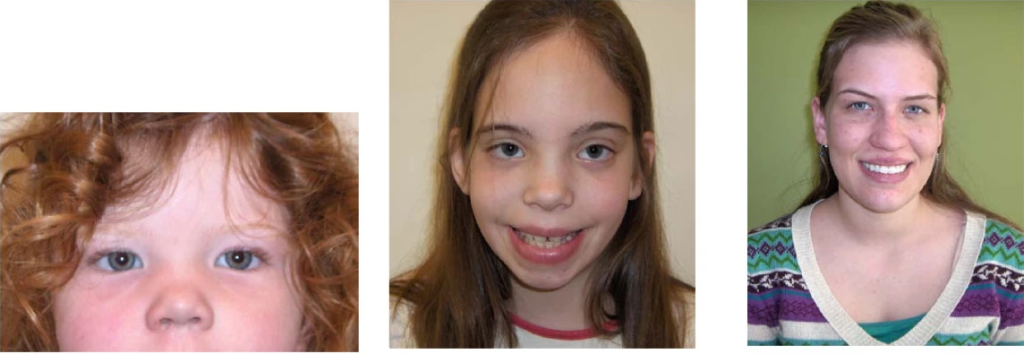
Triple X Syndrome, also called 47,XXX or Trisomy X, is a genetic condition where a female has an extra X chromosome. Instead of the usual two X chromosomes, females with this syndrome have three. Many girls and women with Triple X Syndrome lead normal lives, but some may experience certain physical, developmental, or learning differences.
What Causes Triple X Syndrome?
Triple X Syndrome is caused by an extra copy of the X chromosome in each cell. This usually happens randomly during the formation of eggs or sperm, and is not typically inherited from parents. The extra chromosome can affect development, but the exact impact varies widely among individuals.
What Are the Symptoms of Triple X Syndrome?
Symptoms can range from mild to more noticeable and may include:
- Taller than average height
- Delayed speech and language skills
- Learning difficulties, especially with reading and writing
- Mild developmental delays
- Low muscle tone (hypotonia)
- Behavioral challenges such as anxiety or social difficulties
- Normal fertility and sexual development in most cases
Some females have no obvious symptoms and may never be diagnosed.
How is Triple X Syndrome Diagnosed?
Diagnosis is made by:
- Chromosome analysis (karyotyping) – A blood test to detect the extra X chromosome
- Sometimes diagnosed prenatally through amniocentesis or chorionic villus sampling during pregnancy
Early diagnosis can help with developmental support and educational planning.
How is Triple X Syndrome Treated?
There is no cure, but management focuses on:
- Early intervention for speech, language, and motor skills delays
- Educational support tailored to learning needs
- Counseling or behavioral therapy if needed
- Regular medical follow-up to monitor growth and development
Most females with Triple X Syndrome lead healthy lives with appropriate support.
Can Triple X Syndrome Be Prevented?
Triple X Syndrome occurs randomly and cannot be prevented. Genetic counseling may be offered to families if there is concern about chromosomal conditions.
When Should You See a Doctor?
Consult a healthcare provider if:
- A child shows developmental delays or learning difficulties
- Speech or motor skill problems arise
- Behavioral or emotional challenges affect daily life
- You have concerns about genetic conditions in your family