What Is Brain Cancer?
- Brain cancer refers to the abnormal growth of cells in the brain, forming a mass or tumor
- These tumors can be malignant (cancerous) or benign (non-cancerous)
- Malignant brain tumors can grow quickly and invade nearby brain tissue
- Symptoms may include headaches, seizures, vision problems, memory issues, dizziness, and weakness in parts of the body.
- Causes are not always known, but genetic factors, radiation exposure, and certain inherited conditions may increase risk.
- Diagnosis is usually done through neurological exams, MRI or CT scans, and sometimes a biopsy.
- Treatment options include surgery, radiation therapy, chemotherapy, targeted therapy, or a combination of these treatments.
Types of Brain Tumors
Glioma
- A tumor that starts in the glial cells, which support nerve cells
- Can be fast-growing (high-grade) or slow-growing (low-grade)
- Common subtypes include:
- Astrocytoma
- Glioblastoma (most aggressive type)
- Oligodendroglioma
- Ependymoma
Meningioma
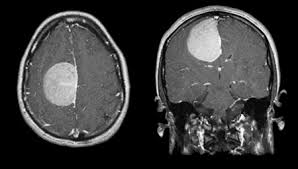
- Tumor that arises from the meninges, the membranes surrounding the brain and spinal cord
- Often benign but can grow and cause pressure on brain structures
- More common in women and usually diagnosed in older adults
Causes and Risk Factors
- Exact causes are often unknown, but several factors may increase the risk:
- Genetic mutations
- Family history of brain tumors
- Radiation exposure to the head
- Immune system disorders
- Age – More common in adults but can occur at any age
- Gender – Some types are more common in males, others in females
Symptoms of Brain Cancer
- Symptoms depend on the tumor’s size, location, and growth rate
- Common signs include:
- Persistent headaches
- Seizures
- Nausea and vomiting
- Vision or hearing changes
- Memory loss or confusion
- Difficulty speaking or understanding speech
- Muscle weakness or numbness
- Balance or coordination problems
How Is Brain Cancer Diagnosed?
- Neurological exam – Tests reflexes, coordination, and brain function
- MRI or CT scan – To detect the size and location of the tumor
- Biopsy – Sample of tumor tissue to confirm if it is cancerous
- PET scan – May be used to check for cancer activity in the brain
Treatment Options for Brain Cancer
Surgery
- First line of treatment when the tumor is operable
- Goal is to remove as much of the tumor as possible
Radiation Therapy
- Uses high-energy rays to kill cancer cells
- Often used after surgery or when surgery isn’t possible
Chemotherapy
- Involves anti-cancer drugs to stop tumor growth
- Can be taken orally or through IV
Targeted Therapy
- Drugs that target specific cancer cell genes or proteins
- Fewer side effects than traditional chemotherapy
Immunotherapy
- Boosts the body’s own immune system to fight cancer
- Still under research for some brain tumor types
Supportive Care
- Steroids to reduce swelling
- Anti-seizure medications
- Rehabilitation therapy for speech, movement, and cognitive skills
Prognosis and Outlook

- Depends on the type, location, and grade of tumor
- Glioblastoma has a more aggressive course
- Meningiomas are often slow-growing and have better outcomes
- Early diagnosis and treatment improve survival and quality of life
Living With Brain Cancer
- Regular follow-ups and brain scans are essential
- Lifestyle adjustments may be needed depending on physical or cognitive changes
- Emotional support from counselors, family, or support groups is vital
When to See a Doctor
- New or worsening headaches
- Seizures with no previous history
- Changes in vision, speech, or balance
- Personality changes or memory issues
- History of radiation to the head or family history of brain tumors