


What is fecal incontinence?
Fecal incontinence is the inability to control bowel movements, leading to unintentional leakage of stool. It can range from occasional stool leakage while passing gas to a complete loss of bowel control. It’s a common but often underreported condition that can affect people of all ages, though it’s more common in older adults.
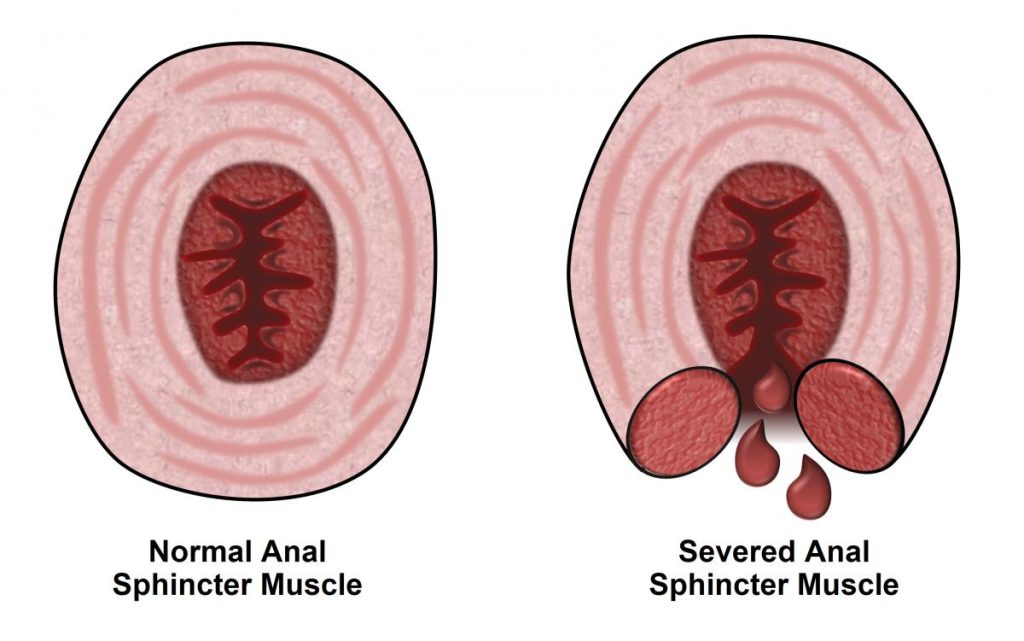
Is fecal incontinence a serious condition?
While it may not always be a medical emergency, fecal incontinence can significantly affect a person’s quality of life, leading to embarrassment, anxiety, and social withdrawal. In some cases, it may signal an underlying health problem that needs treatment.
What are the symptoms of fecal incontinence?
Symptoms can vary depending on the cause and severity, but common signs include:
- Leaking stool or mucus from the rectum
- Urgent need to have a bowel movement (with little or no warning)
- Not making it to the bathroom in time
- Passing gas without control
- Skin irritation around the anus from leakage
- Feeling of incomplete emptying after a bowel movement
What causes fecal incontinence?
Fecal incontinence can result from several different causes, including:
Muscle or nerve damage:
- Injury during childbirth (especially with forceps or episiotomy)
- Anal surgery or trauma
- Diabetes (affecting nerve function)
- Spinal cord injury
- Stroke or neurological diseases (Parkinson’s disease, multiple sclerosis)
Weak pelvic floor muscles:
- Age-related muscle weakening
- Chronic constipation or straining
Loss of rectal sensation:
- Inability to feel when a bowel movement is coming
- Rectal prolapse or tumors
Chronic diarrhea or loose stools:
- More difficult to control than solid stools
- Can worsen symptoms of incontinence
How is fecal incontinence diagnosed?
Diagnosis usually begins with a medical history and physical exam, followed by tests such as:
- Digital rectal exam – To assess muscle tone and strength
- Anorectal manometry – Measures pressure in the rectum and anal canal
- Endoanal ultrasound – Visualizes muscles around the anus
- Defecography – X-ray or MRI to observe rectal function during bowel movement
- Stool tests or colonoscopy – To check for infections, inflammation, or colon disease
How is fecal incontinence treated?
Treatment depends on the underlying cause, frequency, and severity of symptoms.
Conservative Treatments:
- Dietary changes – Add fiber to firm up loose stools or reduce foods that trigger diarrhea
- Bowel training – Setting regular times to use the toilet
- Pelvic floor exercises (Kegel exercises) – Strengthen muscles for better control
- Anti-diarrheal medications – Like loperamide (Imodium) to slow bowel movements
- Skin care – Gentle cleansing and barrier creams to protect from irritation
Medical and Surgical Treatments:
- Biofeedback therapy – Teaches coordination of pelvic muscles and improves sensation
- Medications – To treat constipation or diarrhea, depending on the issue
- Nerve stimulation (sacral nerve stimulation) – Helps control the muscles involved in bowel movements
- Injectable bulking agents – Strengthen the anal sphincter
- Surgical options – May include sphincter repair or creation of an artificial bowel sphincter
Can fecal incontinence be cured?
In many cases, fecal incontinence can be improved or fully managed, especially when the cause is treatable. With the right combination of therapies and lifestyle changes, many people regain better control and confidence.
Who is most at risk for fecal incontinence?
You may be at higher risk if you:
- Are over the age of 65
- Have had vaginal childbirth, especially with complications
- Have a history of pelvic or rectal surgery
- Suffer from chronic diarrhea or constipation
- Have a neurological condition
- Have diabetes

How can I prevent fecal incontinence?
While not all cases can be prevented, these steps can reduce your risk:
- Maintain a high-fiber diet to prevent constipation and diarrhea
- Stay physically active to support healthy bowel function
- Avoid straining during bowel movements
- Practice good hygiene and pelvic floor exercises
- Seek prompt treatment for digestive or neurological problems
When should I see a doctor?
You should talk to a healthcare provider if:
- You experience regular or worsening symptoms
- You avoid social situations due to fear of accidents
- You have pain, bleeding, or other unusual symptoms
- Your incontinence starts suddenly or after an injury or illness
Don’t be embarrassed to seek help—fecal incontinence is a treatable medical condition, and you don’t have to suffer in silence.