


introduction
Agenesis of the corpus callosum (ACC) is a rare condition where the brain’s communication pathway between its two hemispheres fails to develop. Discover the symptoms, causes, diagnosis, treatment options, and management strategies for ACC.
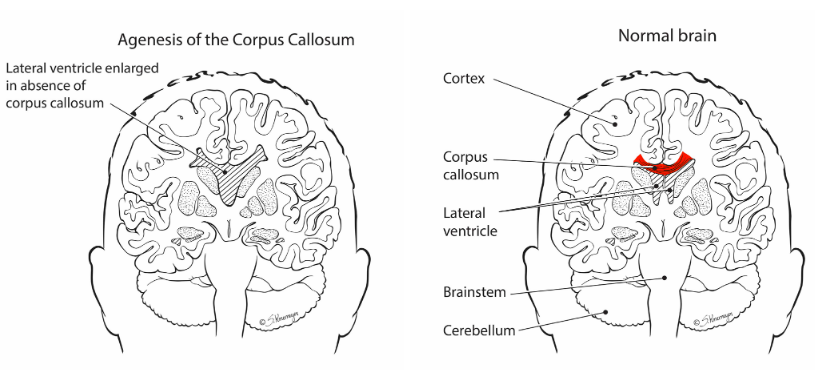
What is Agenesis of the Corpus Callosum?
Agenesis of the corpus callosum (ACC) is a neurological disorder in which the corpus callosum, the major structure that connects the brain’s two hemispheres, fails to develop properly or is entirely absent. This condition can occur during fetal development and is typically identified in infancy or early childhood. The corpus callosum plays a crucial role in transferring signals between the left and right hemispheres of the brain, and its absence can disrupt normal brain functioning.
What Are the Symptoms of Agenesis of the Corpus Callosum?
The symptoms of ACC can vary depending on the severity of the condition and whether other brain abnormalities are present. In many cases, individuals with ACC may have mild symptoms, but others can experience more pronounced cognitive and physical challenges. Common symptoms of ACC include:
- Developmental Delays: Delays in reaching motor, speech, or social milestones.
- Cognitive Impairment: Intellectual disabilities, ranging from mild to severe.
- Motor Coordination Problems: Difficulty with movement, balance, and fine motor skills.
- Seizures: Seizure disorders are common in some individuals with ACC.
- Vision and Hearing Issues: Sensory processing difficulties, particularly related to visual and auditory information.
- Behavioral Problems: Including social and emotional difficulties, impulsivity, and problems with regulation.
- Speech and Language Disorders: Delayed language development or difficulty with speech.
- Hypotonia: Decreased muscle tone, leading to weakness or lack of coordination.
- Social Challenges: Difficulty with social cues and forming relationships due to communication and cognitive barriers.

What Causes Agenesis of the Corpus Callosum?
The causes of agenesis of the corpus callosum can be complex and multifactorial. While some cases are idiopathic (without a clear cause), there are several known factors that can contribute to the condition:
- Genetic Factors: Genetic mutations or inherited syndromes are among the leading causes of ACC. These include:
- Aicardi Syndrome: A rare genetic disorder that often leads to ACC, particularly in females.
- Fetal Alcohol Syndrome: Exposure to alcohol during pregnancy can disrupt normal brain development.
- Chromosomal Abnormalities: Conditions such as trisomy 13 (Patau syndrome) or trisomy 18 (Edwards syndrome) can be linked to ACC.
- Neurofibromatosis Type 1: A genetic disorder that can lead to ACC in some cases.
- Environmental Factors: Infections during pregnancy (such as Zika virus or rubella), exposure to toxins, or maternal health conditions can interfere with brain development.
- Brain Development Disorders: Other neurological disorders, such as hydrocephalus (fluid accumulation in the brain), can disrupt the normal formation of the corpus callosum.
In some cases, no specific cause is found, and the condition may arise spontaneously during fetal development.
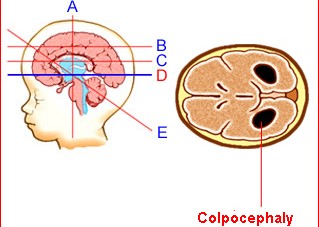
How is Agenesis of the Corpus Callosum Diagnosed?
The diagnosis of agenesis of the corpus callosum typically involves a combination of imaging, genetic testing, and developmental evaluations. Key diagnostic methods include:
- Magnetic Resonance Imaging (MRI): MRI is the most effective imaging technique used to identify the absence or underdevelopment of the corpus callosum.
- CT Scan: Although less commonly used, a CT scan can sometimes detect ACC, but it’s not as sensitive as MRI in showing the structural details.
- Genetic Testing: Genetic screening can identify chromosomal abnormalities or inherited conditions that may be contributing to ACC.
- Neurological Evaluation: A comprehensive neurological exam is necessary to assess cognitive and physical functions.
- Developmental Assessment: Pediatricians or developmental specialists will monitor milestones and behavior to assess delays or disorders related to the condition.
How is Agenesis of the Corpus Callosum Treated?
While there is no cure for agenesis of the corpus callosum, treatment focuses on managing the symptoms and improving quality of life. A multidisciplinary approach is typically required, and treatment options may include:
- Early Intervention: Early therapies such as physical therapy, speech therapy, and occupational therapy are crucial for helping children with ACC develop motor, communication, and cognitive skills.
- Educational Support: Special education services can help individuals with ACC adapt their learning environment to their needs, improving cognitive function and academic performance.
- Behavioral Therapy: Therapy to help with social interaction, impulse control, emotional regulation, and behavioral issues.
- Seizure Management: For individuals with seizure disorders, anticonvulsant medications are often used to control the frequency and severity of seizures.
- Speech and Language Therapy: Speech therapy to assist with communication, language development, and social interaction skills.
- Assistive Devices: For individuals with physical impairments, devices like wheelchairs, communication aids, or other adaptive tools may be helpful.
How Does Agenesis of the Corpus Callosum Affect the Body?
Agenesis of the corpus callosum can affect various aspects of brain function and body coordination, leading to a range of physical, cognitive, and sensory challenges. Some of the common body impacts include:
- Motor Coordination Issues: Without the communication between the two brain hemispheres, coordination of movements can be impaired, resulting in problems with walking, balance, and fine motor skills.
- Cognitive Impairment: Intellectual disabilities may occur, affecting learning, memory, problem-solving, and attention.
- Behavioral and Social Difficulties: Challenges with socializing, reading social cues, and controlling emotions may affect interpersonal relationships and daily activities.
- Sensory Processing: Difficulty processing sensory information from the environment, such as sight, sound, or touch, may lead to heightened or diminished sensory responses.
What Are the Long-Term Effects of Agenesis of the Corpus Callosum?
The long-term effects of agenesis of the corpus callosum can range from mild to severe, depending on the individual and the severity of the condition. In many cases, the symptoms improve or stabilize with age, while others may face lifelong challenges. Long-term effects may include:
- Persistent Cognitive Impairment: Ongoing challenges with intellectual functioning, including difficulty with attention, memory, and learning.
- Behavioral and Social Issues: Difficulty with social interactions, maintaining relationships, and regulating emotions may persist into adulthood.
- Seizures: If present, seizures may continue into adulthood, requiring ongoing treatment and management.
- Mental Health Conditions: Anxiety, depression, or other mental health issues may emerge due to the challenges individuals with ACC face in daily life.
- Adaptation and Independence: With proper care and support, many individuals with ACC can lead relatively independent lives and manage most daily activities, though some may require assistance.
How to Manage Agenesis of the Corpus Callosum for Better Quality of Life
Managing agenesis of the corpus callosum effectively involves early intervention, therapy, and support to ensure individuals with the condition lead fulfilling lives. Important strategies for managing ACC include:
- Comprehensive Care: A team of healthcare providers, including neurologists, geneticists, therapists, and educators, should collaborate to create an individualized care plan.
- Therapeutic Support: Early and ongoing therapies such as speech therapy, occupational therapy, and physical therapy can help individuals with ACC improve motor and cognitive skills.
- Behavioral and Social Skills Development: Behavioral therapy can help address emotional and social challenges, and social skills training can improve interaction with peers.
- Educational Support: Tailored education programs can help children with ACC develop academic skills and adapt to their learning environment.
- Ongoing Monitoring: Regular follow-ups with medical professionals are essential to track developmental progress, adjust treatments, and address any emerging issues.
Conclusion
Agenesis of the corpus callosum is a complex and varied condition that affects the brain’s ability to communicate between its two hemispheres. While the disorder can lead to challenges in development, cognition, and behavior, many individuals with ACC can lead successful, fulfilling lives with the right interventions and support. Early diagnosis, multidisciplinary treatment, and individualized care plans are crucial for optimizing outcomes and improving the quality of life for those affected by ACC.
