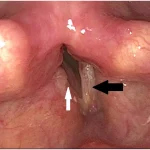
What is Myxedema?
Myxedema is a severe form of hypothyroidism (underactive thyroid) that occurs when the body doesn’t produce enough thyroid hormone. The condition leads to a buildup of mucopolysaccharides in the skin and other tissues, which causes swelling, thickening of the skin, and other systemic issues. It is considered a medical emergency and can be life-threatening if not treated promptly.
Causes of Myxedema

Myxedema is primarily caused by long-term untreated hypothyroidism, but it can also be triggered by various factors such as:
1. Severe Hypothyroidism:
- The most common cause of myxedema is severe hypothyroidism, which is typically due to thyroid gland dysfunction, such as Hashimoto’s thyroiditis (an autoimmune disorder), iodine deficiency, or certain medications.
2. Thyroid Surgery or Radiation:
- Individuals who have had a thyroidectomy (removal of the thyroid) or radiation treatment for thyroid cancer may be at risk for developing myxedema if their thyroid hormone levels are not adequately replaced.
3. Infections:
- Infections, especially pneumonia or sepsis, can trigger myxedema in individuals with pre-existing hypothyroidism.
4. Cold Exposure:
- Exposure to cold environments can exacerbate hypothyroidism and potentially lead to myxedema, especially in individuals with poorly controlled thyroid hormone levels.
5. Certain Medications:
- Medications, particularly those that affect thyroid function such as lithium, can increase the risk of developing myxedema.
6. Trauma or Surgery:
- Physical trauma, including surgery, can sometimes trigger the onset of myxedema in individuals who already have hypothyroidism.
Symptoms of Myxedema

The symptoms of myxedema are more severe than typical hypothyroidism and can include:
1. Severe Fatigue:
- Individuals with myxedema often experience extreme fatigue, weakness, and a general lack of energy, making it difficult to perform everyday tasks.
2. Cold Sensitivity:
- People with myxedema are highly sensitive to cold, often feeling excessively cold even in warmer environments due to slowed metabolism.
3. Puffy Skin and Swelling:
- The characteristic feature of myxedema is puffy skin, particularly on the face, hands, and feet. The skin can appear thickened and waxy due to the buildup of mucopolysaccharides.
4. Slow Heart Rate (Bradycardia):
- Myxedema can cause a slow heart rate, which may lead to symptoms like dizziness, lightheadedness, and fatigue.
5. Memory Problems and Mental Slowness:
- Cognitive functions, such as memory and concentration, can be impaired in individuals with myxedema, leading to a condition often referred to as myxedema madness in severe cases.
6. Constipation:
- Severe hypothyroidism can cause slow digestion, leading to chronic constipation.
7. Brittle Hair and Nails:
- Individuals with myxedema may notice their hair becoming brittle, thinning, or falling out. Nails can also become weak and prone to breaking.
8. Hoarseness or Deepening of the Voice:
- The voice may become hoarse or lower in pitch due to swelling of the vocal cords.
9. Hypothermia:
- In severe cases of myxedema, individuals can experience hypothermia (a dangerously low body temperature), which can be life-threatening.
10. Hypoglycemia:
- Low blood sugar levels may occur, causing symptoms like shakiness, sweating, confusion, and fainting.
11. Decreased Respiration:
- Respiratory depression can occur, leading to shallow, slow breathing, which can be fatal if untreated.
Diagnosis of Myxedema
Diagnosing myxedema typically involves a combination of clinical evaluation and laboratory tests:
1. Blood Tests:
- A key diagnostic test is measuring thyroid hormone levels. Low levels of T3 and T4 (thyroid hormones) combined with high levels of TSH (thyroid-stimulating hormone) are indicative of hypothyroidism, which may progress to myxedema.
2. Thyroid Antibody Tests:
- If an autoimmune cause like Hashimoto’s thyroiditis is suspected, thyroid antibody tests can help confirm the diagnosis.
3. Imaging Studies:
- Imaging studies may be conducted if there is a suspicion of thyroid disease or related complications, but they are generally not needed to diagnose myxedema.
4. Physical Exam:
- A physical exam may reveal signs of myxedema, including puffy skin, slow reflexes, and slow heart rate.
Treatment of Myxedema

Myxedema requires immediate medical attention, and treatment generally involves the following:
1. Thyroid Hormone Replacement:
- The primary treatment for myxedema is thyroid hormone replacement with levothyroxine, a synthetic form of the thyroid hormone T4. In severe cases, it may be administered intravenously for faster absorption.
2. Supportive Care:
- Individuals with myxedema may require additional supportive care, including:
- Warmth to prevent hypothermia.
- Oxygen therapy to improve breathing.
- IV fluids and electrolyte correction if needed.
3. Corticosteroids:
- If an underlying adrenal insufficiency is suspected or if the individual is in shock, corticosteroids such as hydrocortisone may be administered.
4. Treatment of Underlying Conditions:
- If infections or other triggers are present, they should be addressed promptly. Antibiotics, antifungals, or other treatments may be necessary.
5. Monitoring and Adjustment:
- Once thyroid hormone levels stabilize, ongoing monitoring is necessary to adjust medication doses and ensure the thyroid function remains within a healthy range.
6. Hospitalization:
- Individuals with severe myxedema often require hospitalization, especially if they are experiencing respiratory failure, hypothermia, or other serious complications.
Prognosis of Myxedema
With prompt and appropriate treatment, the prognosis for individuals with myxedema is generally good. Early treatment with thyroid hormone replacement can reverse many of the symptoms and prevent complications. However, if left untreated, myxedema can lead to life-threatening complications such as myxedema coma, which requires immediate emergency care and has a high mortality rate.
Even after recovery, individuals with myxedema need to continue thyroid hormone replacement therapy to maintain proper thyroid function. Regular follow-up care with an endocrinologist is important to monitor thyroid levels and adjust treatment as necessary.