


What Is Nerve Pain (Neuralgia)?
Nerve pain, also known as neuralgia, is a condition where damaged or irritated nerves cause shooting, burning, or stabbing pain. Unlike regular pain, which often results from tissue damage or inflammation, neuralgia is caused by dysfunction within the nerves themselves. It can be chronic, intense, and severely affect a person’s quality of life.
What Causes Nerve Pain?

Nerve pain can be triggered by several factors, including:
- Nerve injury or trauma (accidents, surgery, or fractures)
- Infections (e.g., shingles causing postherpetic neuralgia)
- Chronic diseases like diabetes (diabetic neuropathy)
- Nerve compression (due to herniated discs or tumors)
- Multiple sclerosis or other neurological conditions
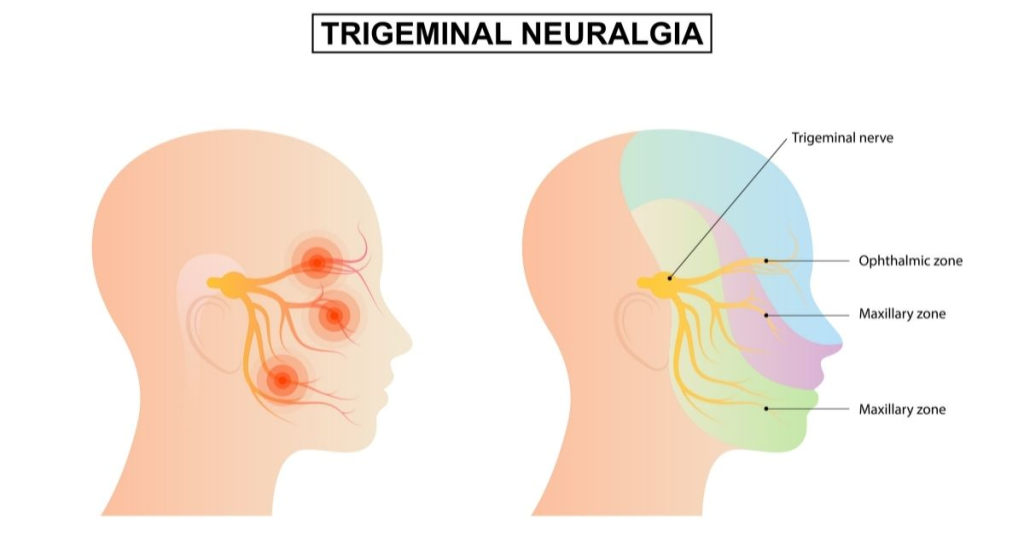
- Trigeminal neuralgia – a condition that affects the facial nerve
- Exposure to toxins or certain medications, such as chemotherapy drugs
What Are the Types of Neuralgia?
There are several types of neuralgia, depending on which nerves are affected:
- Trigeminal Neuralgia – Severe facial pain affecting the trigeminal nerve
- Postherpetic Neuralgia – Pain following a shingles infection
- Occipital Neuralgia – Pain in the back of the head and upper neck
- Glossopharyngeal Neuralgia – Pain in the throat, tongue, and ear
- Peripheral Neuralgia – Pain affecting nerves outside the brain and spinal cord (often in the hands or feet)
What Are the Symptoms of Nerve Pain?
Symptoms can vary, but common signs include:
- Sharp, shooting, or stabbing pain
- Burning or electric shock-like sensations
- Tingling or “pins and needles”
- Increased sensitivity to touch or temperature (allodynia)
- Pain triggered by routine activities like brushing teeth or wind exposure
- Muscle weakness or spasms (in some cases)
How Is Nerve Pain Diagnosed?
To diagnose neuralgia, doctors may perform:
- Detailed medical history and symptom review
- Neurological exam – To assess nerve function
- MRI or CT scan – To rule out structural causes like tumors or disc problems
- Blood tests – To detect diabetes or infections
- Nerve conduction studies and EMG – To evaluate nerve and muscle activity
What Are the Treatment Options for Neuralgia?
Treatment depends on the cause, type, and severity of nerve pain. Options include:
Medications:
- Anticonvulsants – Such as gabapentin or carbamazepine
- Tricyclic antidepressants – Like amitriptyline or nortriptyline
- Topical creams or patches – Containing capsaicin or lidocaine
- Pain relievers – NSAIDs or, in some cases, opioids
Non-Medication Therapies:
- Physical therapy – Helps maintain function and reduce stiffness
- Nerve blocks or injections – Temporary relief from severe pain
- Transcutaneous electrical nerve stimulation (TENS) – Low-voltage electrical stimulation
- Psychological support – For managing chronic pain and its emotional impact
Surgery (for select cases):
- Microvascular decompression – For trigeminal neuralgia
- Nerve ablation or decompression procedures – To relieve persistent pain
Can Neuralgia Go Away on Its Own?
- Mild cases may improve over time, especially if the underlying cause (like shingles) resolves.
- Chronic neuralgia often requires long-term treatment and may not completely go away without medical intervention.
What Are the Possible Complications of Nerve Pain?

If untreated, nerve pain can lead to:
- Severe interference with daily life
- Sleep disturbances
- Depression or anxiety
- Loss of function in the affected area
- Long-term disability in severe cases
How Can Nerve Pain Be Prevented?
While not all neuralgia can be prevented, you can reduce your risk by:
- Managing chronic conditions such as diabetes effectively
- Getting vaccinated for shingles (herpes zoster)
- Avoiding repetitive stress injuries
- Maintaining good posture and ergonomic practices
- Seeking prompt treatment for nerve-related symptoms or infections
