


What is Cystic Acne?
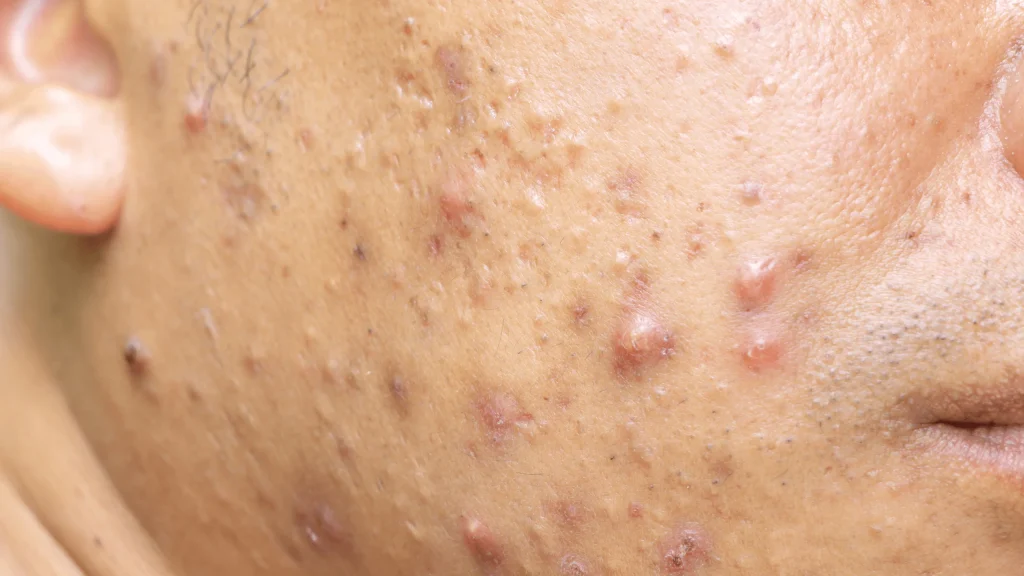
Cystic acne is a severe form of acne that occurs when the skin’s pores become clogged with oil, bacteria, and dead skin cells. It is characterized by large, painful, pus-filled cysts that develop deep within the skin. Cystic acne is different from regular acne because it forms larger, more inflamed lumps beneath the surface, which can cause scarring and emotional distress if not treated properly.
Cystic acne commonly affects the face, but it can also appear on the back, chest, and shoulders. It typically appears during puberty, but it can affect people of all ages, particularly in adults. Hormonal changes, stress, genetics, and poor skin care habits can contribute to its development.
What Causes Cystic Acne?
Several factors contribute to the development of cystic acne:
- Hormonal changes: Hormonal fluctuations during puberty, menstruation, pregnancy, or menopause can lead to increased sebum production (oil), which can clog pores and contribute to acne formation.
- Excess oil production: Overproduction of oil by sebaceous glands can block hair follicles, leading to the growth of acne-causing bacteria beneath the skin.
- Bacterial infection: The presence of Propionibacterium acnes, a bacteria that lives in the hair follicles, can lead to inflammation and infection of the clogged pores, resulting in cystic acne.
- Genetics: A family history of acne can increase the likelihood of developing cystic acne. If your parents had cystic acne, you may be more prone to it.
- Stress: Stress can trigger hormonal changes that may increase the severity of acne, including cystic acne.
- Poor skincare habits: While acne is not directly caused by poor hygiene, excessive touching of the face, not cleansing the skin properly, and using harsh skincare products can worsen acne.
- Diet: While the link between diet and acne is still debated, some studies suggest that high-glycemic foods (sugary or processed foods) and dairy products may exacerbate acne.
What Are the Symptoms of Cystic Acne?
The primary symptoms of cystic acne include:
- Large, painful cysts: Cystic acne forms deep, inflamed lumps beneath the skin’s surface. These cysts can be red, swollen, and tender to the touch.
- Pus-filled lumps: Cysts often contain pus, which can create a whitehead-like appearance if the cyst bursts.
- Scarring: If cystic acne is not treated properly, it can cause permanent scarring or pitting in the skin.
- Inflammation: Affected areas of the skin may appear swollen, tender, and warm to the touch.
- Comedones: While cystic acne is characterized by large cysts, it may also be accompanied by smaller comedones (blackheads and whiteheads).

How is Cystic Acne Diagnosed?
Diagnosing cystic acne typically involves a physical exam performed by a dermatologist. The doctor will assess your skin, noting the appearance of any cysts, comedones, or other signs of acne. In some cases, the dermatologist may take a biopsy to rule out other skin conditions or confirm the diagnosis.
For more severe cases, blood tests may be performed to check for underlying hormonal imbalances or other health issues contributing to the acne.
How is Cystic Acne Treated?
Treatment for cystic acne typically involves a combination of lifestyle changes, medications, and skincare. While cystic acne can be difficult to manage, the following treatments can help reduce inflammation, prevent scarring, and control flare-ups:
- Topical treatments:
- Retinoids: Prescription topical retinoids like tretinoin can help unclog pores and prevent new acne lesions from forming.
- Benzoyl peroxide: A common acne treatment, benzoyl peroxide helps to kill acne-causing bacteria and reduce inflammation.
- Antibiotic creams: These can reduce the bacteria and inflammation associated with cystic acne.
- Salicylic acid: This helps to exfoliate the skin and reduce pore blockages.
- Oral medications:
- Antibiotics: Oral antibiotics, such as doxycycline or minocycline, can help reduce bacterial growth and inflammation.
- Oral contraceptives: Birth control pills that regulate hormones can be helpful for women whose acne is hormonally driven.
- Isotretinoin (Accutane): For severe cases, isotretinoin may be prescribed. It’s a powerful drug that reduces oil production and prevents clogged pores. However, it has significant side effects and requires close monitoring by a doctor.
- Drainage and extraction:
- If cysts are large and painful, a dermatologist may perform a drainage procedure to remove the pus and reduce swelling. However, this is typically only done when other treatments have not worked.
- Laser and light therapies:
- Laser treatments: Lasers can target and reduce the bacteria in the skin, decrease oil production, and improve the appearance of scars.
- Light therapies: Blue light therapy may help kill acne-causing bacteria, while red light therapy can reduce inflammation and promote healing.
- Skincare regimen:
- Gentle cleansing: Use a mild cleanser to wash the face twice a day. Avoid scrubbing harshly, which can irritate the skin and worsen acne.
- Moisturize: Using a non-comedogenic moisturizer helps to maintain hydration in the skin without clogging pores.
- Avoid picking: Picking or squeezing cystic acne can lead to scarring and further inflammation.
What Are the Risks and Complications of Cystic Acne?
If not treated properly, cystic acne can lead to a variety of complications, including:
- Scarring: Cystic acne is more likely to cause permanent scarring, which can be difficult to treat.
- Emotional impact: Acne, especially cystic acne, can cause emotional distress, leading to feelings of low self-esteem, anxiety, or depression.
- Infection: Large cysts that are not treated may become infected, leading to more severe complications.
How Can Cystic Acne Be Prevented?
While it’s not always possible to prevent cystic acne, several strategies may help reduce its severity and frequency:
- Maintain a consistent skincare routine: Cleansing your skin regularly and using products suitable for acne-prone skin can help reduce the likelihood of cystic acne.
- Avoid touching your face: Frequent touching can transfer bacteria and oil to your skin, worsening acne.
- Manage stress: Stress can trigger hormonal changes that may exacerbate acne. Practicing stress-reducing techniques such as yoga, meditation, or regular exercise can help.
- Eat a balanced diet: Although the link between diet and acne is still debated, eating a healthy, balanced diet that is low in processed foods and sugars may help.
- Consult a dermatologist: Regular check-ups with a dermatologist can help you monitor your acne and receive timely treatments if necessary.