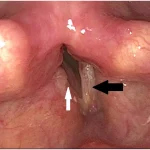
What is Lingual Thyroid?
Lingual thyroid is a rare condition where thyroid tissue is located at the base of the tongue instead of its usual position in the neck. This occurs due to a developmental abnormality during fetal development when the thyroid gland fails to migrate properly to its normal location. In most cases, the condition is asymptomatic, but in some individuals, the lingual thyroid may cause symptoms like difficulty swallowing, a sensation of a lump in the throat, or problems with breathing.
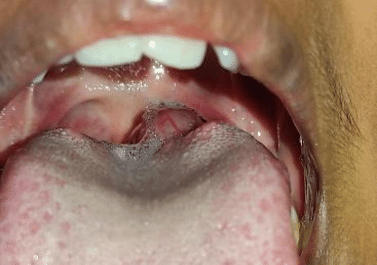
What Are the Causes of Lingual Thyroid?
Lingual thyroid occurs when the thyroid gland fails to descend to its normal position in the neck during fetal development. The thyroid originates from the tongue and normally migrates downward to its usual location in the lower neck. If the gland remains at the base of the tongue, it results in a lingual thyroid. The exact cause of this abnormal migration is not fully understood, but it is generally considered to be a congenital condition. Hormonal or genetic factors may also play a role in the development of lingual thyroid.
What Are the Symptoms of Lingual Thyroid?
In many cases, lingual thyroid may not cause any noticeable symptoms, and individuals may not be aware they have it. However, when symptoms do occur, they may include:
- Throat Discomfort: A lump or swelling at the back of the tongue that may cause discomfort, difficulty swallowing, or a sensation of something stuck in the throat.
- Difficulty Swallowing (Dysphagia): The presence of thyroid tissue in the tongue can make swallowing food or liquids difficult, leading to discomfort or choking.
- Voice Changes: In rare cases, the enlarged lingual thyroid may cause hoarseness or changes in the voice.
- Breathing Problems: If the lingual thyroid becomes enlarged, it can cause obstruction of the airway, making breathing difficult.
- Thyroid Dysfunction: Occasionally, individuals with lingual thyroid may experience symptoms of hypothyroidism (underactive thyroid), such as fatigue, weight gain, and sensitivity to cold.
How is Lingual Thyroid Diagnosed?
Diagnosis of lingual thyroid typically involves a combination of clinical evaluation, imaging studies, and laboratory tests. The key diagnostic steps include:
- Physical Examination: A doctor will examine the mouth and throat for any unusual masses or swellings, especially at the back of the tongue.
- Ultrasound: An ultrasound of the neck and tongue can help identify the presence of thyroid tissue at the base of the tongue and assess its size and location.
- Thyroid Scintigraphy: A radioactive iodine scan can help confirm the presence of thyroid tissue at the base of the tongue and determine whether it is functional.
- Blood Tests: Blood tests to measure thyroid function (T3, T4, and TSH levels) can help assess if the lingual thyroid is functioning normally or if the individual is experiencing hypothyroidism.
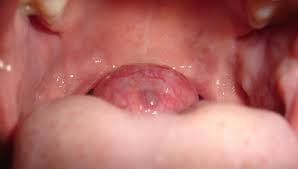
What Are the Treatment Options for Lingual Thyroid?
Treatment for lingual thyroid depends on the severity of symptoms and whether the gland is functioning properly. Management options include:
- Observation: If the lingual thyroid is not causing symptoms and the individual is otherwise healthy, no treatment may be necessary. Regular follow-up with a healthcare provider is recommended to monitor any changes.
- Thyroid Hormone Replacement: If the lingual thyroid is underactive and causing symptoms of hypothyroidism, thyroid hormone replacement therapy (levothyroxine) may be prescribed to normalize thyroid levels.
- Surgical Removal: In cases where the lingual thyroid is causing significant symptoms, such as difficulty swallowing, breathing problems, or vocal changes, surgery may be recommended to remove the tissue. However, surgery is typically reserved for more severe cases due to the risks involved.
- Radioactive Iodine Therapy: In certain situations, radioactive iodine may be used to shrink the lingual thyroid tissue, especially if surgery is not an option.
- Endoscopic Procedures: For individuals with mild symptoms, endoscopic procedures may be used to remove or reduce the size of the lingual thyroid.
What Are the Possible Complications of Lingual Thyroid?
Lingual thyroid is generally a benign condition, but if left untreated or poorly managed, it can lead to several complications:
- Airway Obstruction: An enlarged lingual thyroid can obstruct the airway, leading to breathing difficulties, especially when lying down or during sleep.
- Difficulty Swallowing: If the lingual thyroid grows larger, it can further impair swallowing, leading to choking, aspiration, or nutritional issues.
- Hypothyroidism: If the lingual thyroid is the only source of thyroid tissue, it may not produce enough thyroid hormones, leading to hypothyroidism.
- Infection: In rare cases, the lingual thyroid tissue can become infected, causing pain, swelling, and fever.
How Can Lingual Thyroid Be Prevented?
As lingual thyroid is a congenital condition, it cannot be prevented. Early detection and treatment can help manage symptoms and prevent complications. Regular monitoring of thyroid function is essential for individuals with lingual thyroid to ensure that thyroid hormone levels remain within the normal range.
When Should You See a Doctor?
You should see a doctor if you notice swelling at the back of your tongue, difficulty swallowing, hoarseness, or any other symptoms that may suggest a problem with the thyroid. If you have been diagnosed with lingual thyroid, it is important to have regular follow-up appointments with your healthcare provider to monitor the condition and assess for any changes or complications.