


What is Multiple Organ Dysfunction Syndrome (MODS)?
Multiple Organ Dysfunction Syndrome (MODS) is a severe and potentially life-threatening condition that occurs when two or more organ systems in the body begin to malfunction or fail. It is most commonly seen in critically ill patients, particularly those who are experiencing sepsis, trauma, or other significant medical conditions that put extreme stress on the body.
MODS is a complicated disorder because it involves the progressive failure of multiple organs, such as the heart, lungs, kidneys, liver, and others, making it difficult to treat and manage. Early recognition and treatment are crucial to improving outcomes for affected individuals.
Causes and Risk Factors
The main cause of MODS is severe illness or trauma, which leads to systemic inflammation and damage to organs. The most common triggers for MODS include:
- Sepsis: A life-threatening infection that spreads throughout the body, often the most common cause of MODS.
- Trauma: Severe injuries, especially those resulting in extensive blood loss or damage to organs, can lead to MODS.
- Burns: Extensive burns can cause widespread damage and initiate a systemic inflammatory response, leading to MODS.
- Pancreatitis: Inflammation of the pancreas can trigger widespread organ dysfunction.
- Severe liver or kidney disease: Chronic liver or kidney disease can set the stage for MODS when the body is stressed by another factor.
- Shock: A condition where blood flow to organs is significantly reduced, leading to organ ischemia (lack of oxygen) and eventual dysfunction.
Certain factors increase the risk of developing MODS, including:
- Age: The elderly are more vulnerable to organ failure and may have less resilient organ function.
- Underlying chronic diseases: People with conditions like diabetes, hypertension, or heart disease are at higher risk.
- Immunocompromised state: Individuals with weakened immune systems (due to cancer, HIV, organ transplants, etc.) are more susceptible to infections and sepsis, which can trigger MODS.
- Previous organ damage: Those with pre-existing conditions affecting the heart, lungs, liver, or kidneys are more likely to experience multiple organ failure during acute illness or injury.
What are the Symptoms of Multiple Organ Dysfunction Syndrome (MODS)?
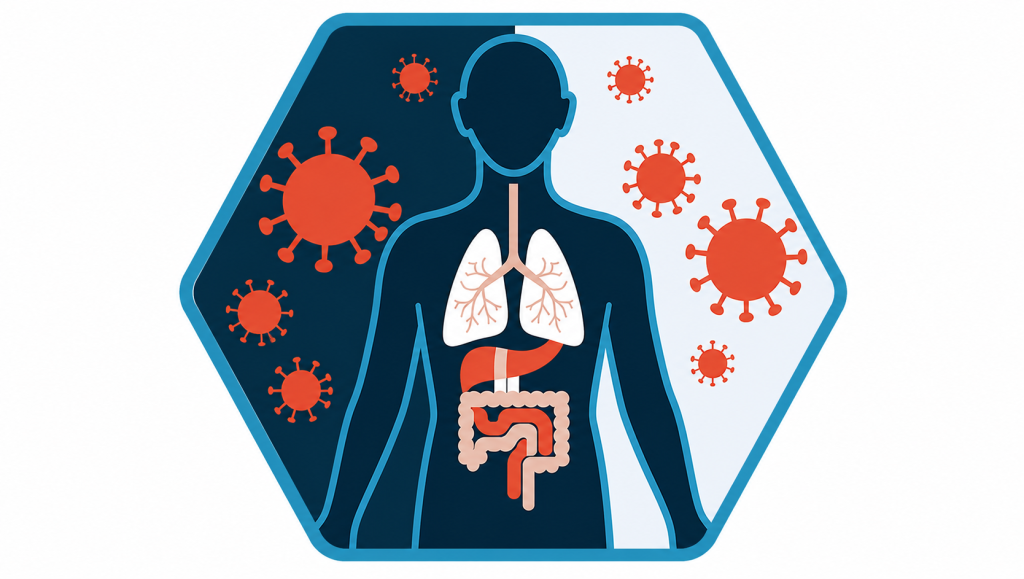
The symptoms of MODS are a result of the failure of multiple organ systems, and they can vary depending on which organs are affected. Common symptoms include:
- Respiratory distress: Difficulty breathing or shortness of breath due to lung failure.
- Low blood pressure (hypotension): This can result from heart failure or fluid loss.
- Confusion or altered mental state: Due to inadequate blood flow to the brain, patients may experience delirium or decreased consciousness.
- Decreased urine output: Kidney failure can lead to oliguria (reduced urine output) or anuria (complete lack of urine production).
- Jaundice: Yellowing of the skin and eyes due to liver failure.
- Swelling: Edema or fluid retention, often due to kidney or liver failure.
- Rapid heart rate (tachycardia): A compensatory response to low blood pressure and organ distress.
- Fever or hypothermia: A systemic response to infection or inflammation, often seen in sepsis-induced MODS.
How is Multiple Organ Dysfunction Syndrome (MODS) Diagnosed?
Diagnosis of MODS is based on clinical signs, laboratory tests, and imaging. The healthcare team will assess the degree of dysfunction in each affected organ. Key diagnostic steps include:
1. Blood Tests:
- Complete blood count (CBC): To assess for infection or anemia.
- Liver function tests: To determine liver health and function.
- Kidney function tests: To assess for renal failure, such as creatinine and blood urea nitrogen (BUN) levels.
- Arterial blood gas (ABG): To evaluate respiratory function and oxygenation.
- Electrolyte levels: Abnormalities in potassium, sodium, and calcium can indicate organ dysfunction.
2. Imaging Studies:
- Chest X-ray or CT scan: To assess for lung damage or other respiratory issues.
- Abdominal ultrasound or CT scan: To evaluate liver, kidney, or gastrointestinal system function.
3. Clinical Evaluation:
- The doctor will monitor signs of systemic inflammatory response syndrome (SIRS), which is characterized by fever, elevated heart rate, rapid breathing, and abnormal white blood cell count.
- The degree of dysfunction in each organ system will be evaluated based on clinical findings and test results.
4. Organ-Specific Tests:
- If specific organs like the heart, lungs, or kidneys are involved, additional testing may be performed to evaluate their function, such as echocardiograms or pulmonary function tests.
What are the Stages of Multiple Organ Dysfunction Syndrome (MODS)?
MODS is typically divided into two stages:
- Stage 1: In this early phase, one or two organ systems may show signs of dysfunction. The body is still able to compensate, and treatment may be effective at reversing organ damage.
- Stage 2: In this phase, more organ systems are affected, and the body may have difficulty compensating. The likelihood of recovery decreases significantly, and intensive medical intervention is necessary.
How is Multiple Organ Dysfunction Syndrome (MODS) Treated?
The treatment of MODS is focused on supporting the failing organs, treating the underlying cause, and preventing further damage. The treatment plan typically involves a multi-disciplinary team of doctors, nurses, and specialists. Common treatment strategies include:
1. Supportive Care:
- Mechanical ventilation: If the lungs are failing, a ventilator may be used to help with breathing.
- Dialysis: If the kidneys are failing, dialysis may be necessary to filter waste and fluids from the blood.
- Nutritional support: A feeding tube or intravenous nutrition may be used to support the patient’s nutritional needs.
2. Treating the Underlying Cause:
- If the cause of MODS is sepsis, antibiotics and antifungal medications will be administered to treat the infection.
- Blood transfusions: If the patient is anemic or losing blood, a transfusion may be needed to restore normal levels.
- Medications to support heart function: If the heart is failing, medications like vasopressors (e.g., norepinephrine) can help raise blood pressure and improve blood flow.
- Steroids and anti-inflammatory drugs: These may be used to reduce inflammation in the body.
3. Organ-Specific Treatments:
- Liver support: If the liver is failing, specialized treatments may be required, such as liver transplantation if appropriate.
- Renal replacement therapy (dialysis): To support kidney function if the kidneys are severely impaired.
What is the Prognosis for Multiple Organ Dysfunction Syndrome (MODS)?
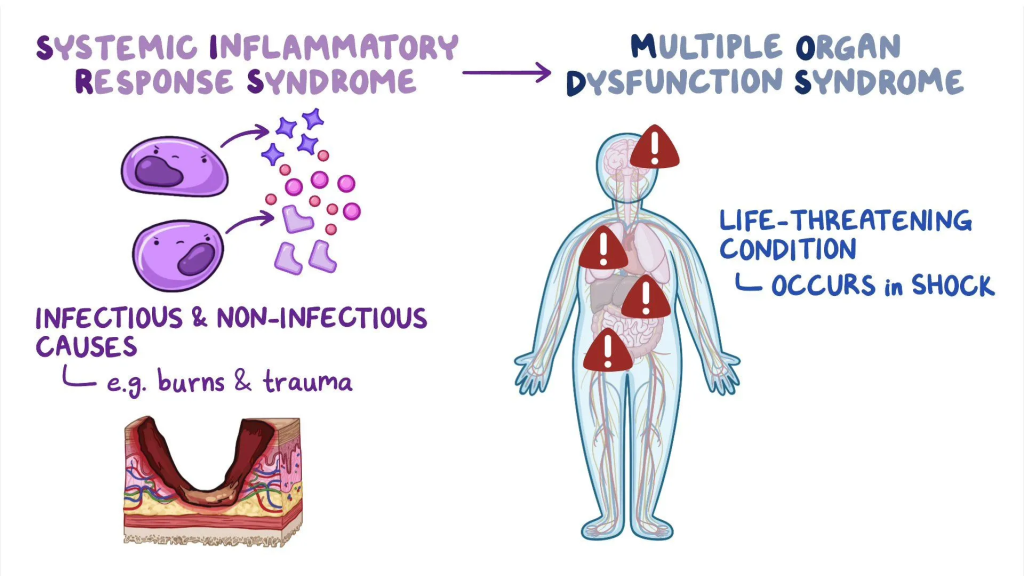
The prognosis for MODS depends on several factors, including the underlying cause of organ failure, the number of organs involved, the severity of dysfunction, and the patient’s overall health. The condition has a high mortality rate, especially if multiple organ systems are severely affected.
However, with aggressive treatment and early intervention, some patients can recover from MODS, particularly if the underlying cause is identified and treated promptly. The prognosis improves if the patient is young and otherwise healthy, but it remains poor in older individuals or those with multiple comorbidities.
Survival Rates:
Survival rates vary depending on the extent of organ dysfunction, the rapidity of treatment, and the underlying cause. Studies show that the mortality rate for severe MODS is high, especially if more than two organs are involved and the underlying cause is not treatable.
Can Multiple Organ Dysfunction Syndrome (MODS) be Prevented?
While MODS itself cannot be prevented, there are steps that can be taken to reduce the risk of developing MODS:
- Timely treatment of infections: Prompt and effective treatment of infections, especially sepsis, can help prevent the progression to MODS.
- Prevention and management of trauma: Proper care and intervention for injuries and burns can help prevent the development of MODS.
- Optimal management of chronic diseases: Keeping conditions like diabetes, hypertension, and heart disease well-managed can reduce the likelihood of organ failure during times of stress.
When Should You See a Doctor?
You should seek immediate medical attention if you experience any of the following, particularly in the context of a severe illness or injury:
- Difficulty breathing or shortness of breath
- Confusion, disorientation, or altered mental state
- Severe abdominal pain or swelling
- Decreased urine output
- Persistent fever or chills
- Chest pain or difficulty in moving or swallowing
