


What is Schizoaffective Disorder?
Schizoaffective disorder is a mental health condition characterized by a combination of symptoms of schizophrenia, such as hallucinations or delusions, along with mood disorder symptoms like depression or mania. It affects a person’s thinking, emotions, and behavior, often causing significant disruptions in daily life.
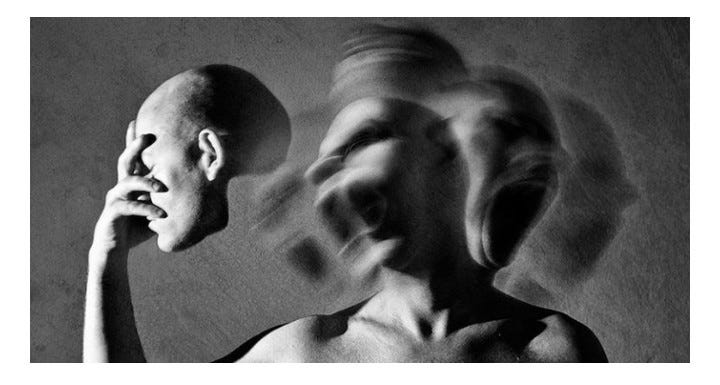
What Are the Symptoms of Schizoaffective Disorder?
Symptoms can vary but typically include features of both schizophrenia and mood disorders.
Common Symptoms
- Hallucinations: Hearing or seeing things that aren’t there.
- Delusions: Strongly held false beliefs.
- Disorganized thinking and speech.
- Depressed mood: Feelings of sadness, hopelessness, or lack of energy.
- Manic episodes: Elevated mood, increased energy, and impulsive behavior.
- Social withdrawal and difficulty functioning.
- Changes in sleep and appetite.
How Do Symptoms Present?
- Psychotic symptoms (hallucinations/delusions) occur during mood episodes and sometimes when mood symptoms are not present.
- Mood episodes can be depressive, manic, or mixed.
How is Schizoaffective Disorder Diagnosed?
Diagnosis is made by a mental health professional based on clinical evaluation and history. It requires the presence of both psychotic and mood symptoms.
Common Diagnostic Methods
- Psychiatric interview and assessment.
- Monitoring symptom patterns over time.
- Exclusion of other medical or substance-related causes.
- Use of diagnostic criteria from DSM-5 (Diagnostic and Statistical Manual of Mental Disorders).
What Causes Schizoaffective Disorder?
The exact cause is unknown but is believed to involve a combination of genetic, brain chemistry, and environmental factors.
Possible Contributing Factors
- Family history of schizophrenia or mood disorders.
- Imbalance of neurotransmitters in the brain.
- Stressful life events or trauma.
- Substance abuse.
How is Schizoaffective Disorder Treated?
Treatment typically involves a combination of medication and therapy to manage symptoms.
First-Line Treatments
- Antipsychotic medications: To reduce psychotic symptoms.
- Mood stabilizers or antidepressants: To manage mood episodes.
- Psychotherapy: Cognitive-behavioral therapy (CBT) and supportive therapy.
Additional Steps
- Regular monitoring by a mental health professional.
- Supportive services such as social skills training and rehabilitation.
- Avoiding drugs and alcohol.
- Family education and support.
What Are the Complications of Schizoaffective Disorder?
If untreated, schizoaffective disorder can lead to:
- Difficulty maintaining relationships and employment.
- Increased risk of substance abuse.
- Suicide risk.
- Social isolation.
- Poor overall functioning and quality of life.

How Can Schizoaffective Disorder Be Managed?
Management focuses on ongoing treatment and support.
Tips for Managing Schizoaffective Disorder
- Adhere strictly to prescribed medications.
- Attend regular therapy and psychiatric appointments.
- Build a strong support network.
- Avoid stress and triggers.
- Maintain a healthy lifestyle, including diet and exercise.
How Long Does It Take to Recover from Schizoaffective Disorder?
Schizoaffective disorder is a chronic condition. While symptoms can be controlled with treatment, recovery is often ongoing. Many people manage symptoms well with medication and therapy and lead productive lives, but some may experience recurring episodes.
