


What Is Breast Cancer?
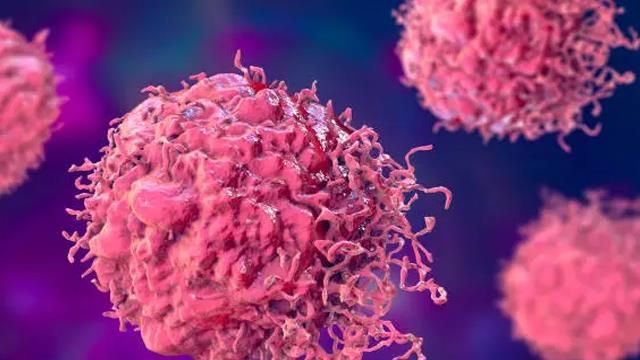
- Breast cancer is a disease in which cells in the breast grow uncontrollably.
- It can occur in both women and men, though it is far more common in women.
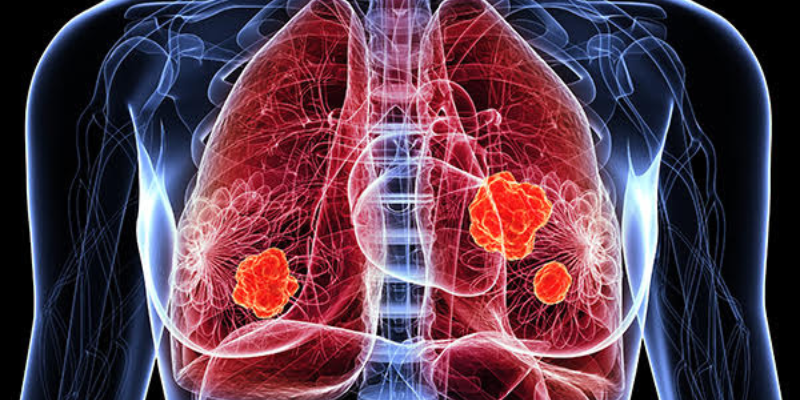
- Cancer may begin in different parts of the breast, including ducts, lobules, or connective tissue.
Types of Breast Cancer
Common Types
- Invasive ductal carcinoma (IDC) – Most common type; begins in the milk ducts and spreads.
- Invasive lobular carcinoma (ILC) – Begins in the lobules (milk-producing glands).
- Ductal carcinoma in situ (DCIS) – Non-invasive; confined to the ducts.
Less Common Types
- Inflammatory breast cancer
- Triple-negative breast cancer
- Paget’s disease of the breast
- Male breast cancer
- Metastatic (Stage IV) breast cancer
Causes and Risk Factors
- Hormonal, genetic, and environmental factors may play a role.
- Common risk factors include:
- Age – risk increases with age.
- Family history of breast or ovarian cancer.
- Inherited mutations in genes (e.g., BRCA1 and BRCA2).
- Hormone replacement therapy after menopause.
- Obesity, especially after menopause.
- Alcohol consumption and lack of physical activity.
Signs and Symptoms
- Lump or mass in the breast or underarm.
- Swelling of part or all of the breast.
- Irritation or dimpling of breast skin.
- Nipple pain or inward turning.
- Redness, scaliness, or thickening of the nipple or breast skin.
- Nipple discharge other than breast milk.
- Changes in breast size or shape.
How Is Breast Cancer Diagnosed?
- Clinical breast exam – physical check by a healthcare provider.
- Mammogram – X-ray of the breast; primary screening tool.
- Ultrasound – helps evaluate abnormalities.
- MRI – for detailed imaging.
- Biopsy – removal of tissue to confirm diagnosis and determine cancer type.
- Hormone receptor tests – to check for estrogen and progesterone sensitivity.
- HER2 test – looks for HER2 protein that promotes cancer growth.
Breast Cancer Stages
- Stage 0 – Non-invasive, confined to ducts.
- Stage I-III – Invasive, growing beyond original site.
- Stage IV (Metastatic) – Spread to distant organs like bones, lungs, or liver.
Treatment Options
Surgery
- Lumpectomy – removal of tumor and a small margin of surrounding tissue.
- Mastectomy – partial or complete removal of one or both breasts.
Radiation Therapy
- Targets cancer cells with high-energy rays, often after surgery.
Chemotherapy
- Uses drugs to kill or slow cancer cells, often used before or after surgery.
Hormone Therapy
- For hormone receptor-positive cancers, helps block or lower estrogen in the body.
Targeted Therapy
- Targets specific cancer cells (like HER2-positive).
Immunotherapy
- Helps the immune system fight cancer (used in certain advanced cases).
Prognosis and Survival
- Depends on:
- Cancer stage
- Tumor type
- Response to treatment
- Early detection increases the chances of successful treatment.
- Many women survive and live long, healthy lives after treatment.
Living With Breast Cancer
- Follow-up care is crucial to monitor recurrence.
- Rehabilitation, including physical therapy and counseling, may be needed.
- Support groups, mental health services, and lifestyle changes aid recovery.
Prevention and Risk Reduction
- Regular screening (mammograms, clinical exams).
- Healthy lifestyle: balanced diet, exercise, no smoking, limited alcohol.
- Genetic testing for those with strong family history.
- Preventive medications or surgery for high-risk individuals.
When to See a Doctor
- You notice any unusual changes in your breasts.
- You feel a lump or have persistent breast pain.
- You are at high risk and need screening advice.