


What is Nail Fungus (Onychomycosis)?
Nail fungus, medically known as onychomycosis, is a common infection that affects the fingernails or toenails. It causes thickened, discolored, brittle, or misshapen nails. The infection usually starts at the edge of the nail and can spread deeper over time if left untreated.
What causes nail fungus?
Nail fungus is caused by:
- Dermatophytes (the most common fungi)
- Yeasts (like Candida)
- Molds (less common)
These fungi thrive in warm, moist environments. Risk factors include:
- Walking barefoot in communal showers or pools
- Wearing tight or non-breathable shoes
- Having sweaty feet
- Nail trauma
- A history of athlete’s foot
- Older age or weakened immune system
- Poor circulation or diabetes
What are the symptoms of onychomycosis?
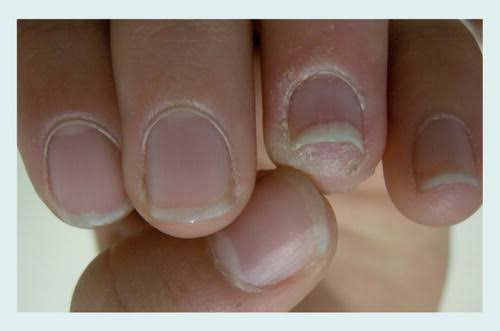
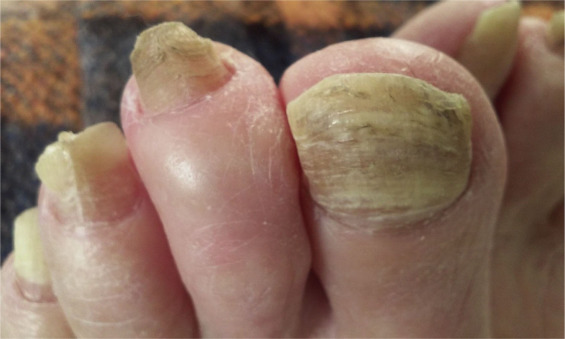
Common signs of nail fungus include:
- Yellow, white, or brown discoloration of the nail
- Thickened nails
- Brittle, crumbly, or ragged nails
- Distorted nail shape
- Separation of the nail from the nail bed (onycholysis)
- Foul odor in advanced cases
Toenails are more commonly affected than fingernails.
Is nail fungus contagious?
Yes. Nail fungus can spread from person to person, especially in communal areas like gyms, swimming pools, and locker rooms. It can also spread from one nail to another.
How is nail fungus diagnosed?
Doctors may diagnose nail fungus by:
- Examining the nail’s appearance
- Taking nail clippings or scrapings for microscopic examination or fungal culture
- Using a KOH test (potassium hydroxide prep) to detect fungal elements
How is nail fungus treated?
Treatment may include:
- Topical antifungal treatments (e.g., creams, medicated nail polish)
- Oral antifungal medications (such as terbinafine or itraconazole)—more effective for moderate to severe cases
- Laser therapy (optional in some clinics)
- Nail removal (in severe or resistant cases)
Treatment can take several months, and it may take a year for a healthy nail to fully grow out.
What are the complications of untreated nail fungus?
If left untreated, onychomycosis can lead to:
- Pain and discomfort while walking or using hands
- Permanent nail damage or loss
- Spread of infection to other nails or skin (like athlete’s foot)
- Secondary bacterial infections, especially in people with diabetes
How can nail fungus be prevented?
Tips to reduce your risk:
- Keep feet clean and dry
- Wear breathable socks and change them daily
- Use antifungal powder or spray if prone to sweaty feet
- Avoid walking barefoot in public showers, locker rooms, or pool areas
- Do not share nail clippers, shoes, or towels
- Trim nails straight across and keep them short
- Use clean, sterilized tools for nail care
When should I see a doctor?
Seek medical advice if:
- Your nail becomes thick, brittle, or discolored
- Over-the-counter treatments don’t help
- You have diabetes or poor circulation
- There is pain, swelling, or spreading infection
