


What is Nocardiosis?
Nocardiosis is a rare but potentially serious bacterial infection caused by Nocardia species, a group of bacteria found in soil, decaying organic matter, and water. It most commonly affects the lungs but can also spread to the skin, brain, or other organs, especially in people with weakened immune systems. It is considered an opportunistic infection, meaning it typically occurs in individuals with compromised immunity.
Causes of Nocardiosis?
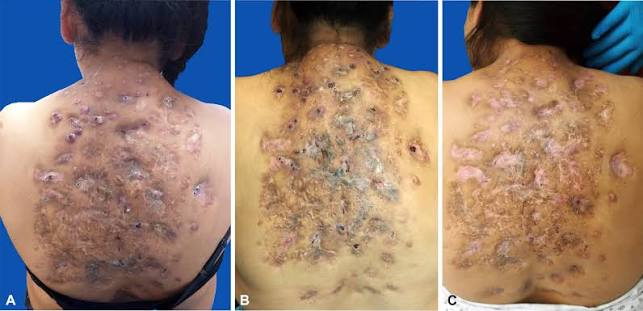
The infection is caused by Nocardia bacteria, most often Nocardia asteroides, although several species can be responsible. People can become infected by:
- Inhalation of contaminated dust or particles (leading to pulmonary nocardiosis)
- Direct contact with broken skin (causing skin or soft tissue infections)
The disease is not contagious and does not spread from person to person.
Who is at Risk?
Nocardiosis can affect anyone but is more common in people with:
- Weakened immune systems (e.g., HIV/AIDS, cancer, transplant recipients)
- Chronic lung conditions (e.g., COPD, bronchiectasis)
- Diabetes or long-term steroid use
- Organ transplant recipients
- Long-term immunosuppressive therapy
Types of Nocardiosis?
- Pulmonary Nocardiosis
- The most common form
- Symptoms mimic pneumonia or tuberculosis
- Cutaneous Nocardiosis
- Skin infection after trauma or surgery
- May cause abscesses, cellulitis, or ulcers
- Disseminated Nocardiosis
- The infection spreads to multiple organs (brain, skin, kidneys, etc.)
- Often starts in the lungs
- Cerebral Nocardiosis
- Involves the brain, leading to abscesses
- Can be life-threatening
Symptoms of Nocardiosis?
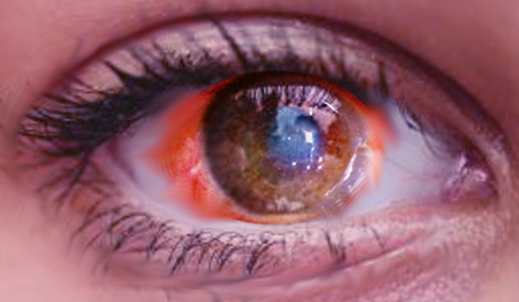
Symptoms vary depending on the organs affected. Common signs include:
Pulmonary Nocardiosis:
- Persistent cough
- Chest pain
- Shortness of breath
- Fever
- Fatigue
- Night sweats
- Weight loss
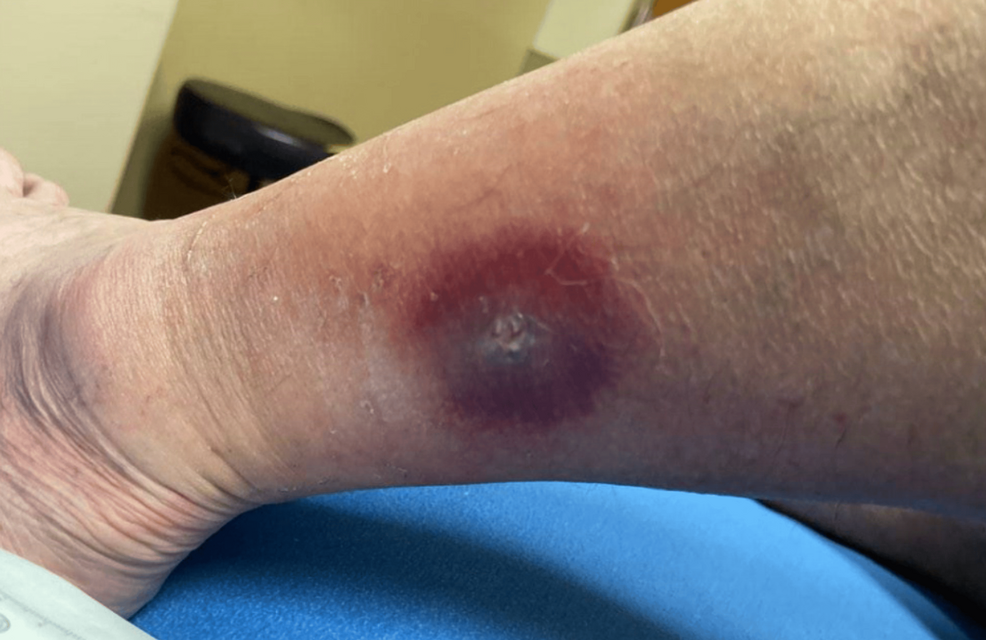
Cutaneous Nocardiosis:
- Red, swollen skin lesions
- Pus or drainage from sores
- Non-healing wounds or ulcers
Cerebral Nocardiosis:
- Headaches
- Seizures
- Confusion or changes in mental status
- Nausea and vomiting
- Weakness or numbness
Diagnosis of Nocardiosis?
Diagnosis can be challenging and may require:
- Chest X-ray or CT scan – Especially for lung involvement
- Sputum culture or biopsy – To detect Nocardia bacteria
- Skin biopsy or drainage samples – For skin lesions
- MRI or CT of the brain – If neurological symptoms are present
- Blood cultures – To check for systemic spread
Lab identification of Nocardia may take time, as the bacteria grow slowly.
Treatment of Nocardiosis?
Nocardiosis requires long-term antibiotic treatment, often for 6 to 12 months. The most commonly used antibiotic is:
- Trimethoprim-sulfamethoxazole (TMP-SMX)
Other antibiotics may be added or substituted depending on the severity of infection and bacterial resistance, such as:
- Imipenem
- Linezolid
- Amikacin
- Minocycline
- Ceftriaxone
Hospitalization may be required for severe or disseminated cases.
Surgical intervention:
- May be needed to drain abscesses or remove infected tissue
Complications?
- Brain abscess
- Lung cavitation or scarring
- Chronic infection
- Relapse if treatment is stopped too soon
- Death (especially in disseminated or untreated cases)
Prevention?
- No specific vaccine is available
- Individuals with weakened immune systems should:
- Avoid exposure to soil and dust
- Wear gloves and masks when gardening or working with soil
- Promptly treat skin wounds
- Follow up regularly with their healthcare provider
