


What Is Refeeding Edema?
Refeeding edema is a temporary swelling that occurs when individuals who have experienced prolonged malnutrition begin nutritional rehabilitation. As the body readjusts to increased caloric intake, especially carbohydrates, hormonal and metabolic changes can lead to fluid retention, resulting in swelling, particularly in the lower extremities.
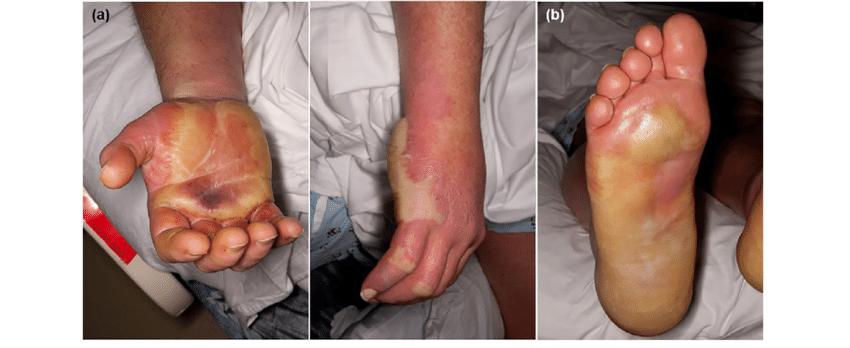
What Causes Refeeding Edema?
The primary cause is the shift in the body’s metabolism during refeeding. Increased carbohydrate intake stimulates insulin release, which promotes sodium and water retention by the kidneys. This fluid retention leads to edema. Additionally, hormonal changes and adjustments in the body’s electrolyte balance contribute to the development of swelling during the refeeding process.
What Are the Symptoms of Refeeding Edema?
Common symptoms include:
- Swelling: Notably in the feet, ankles, and legs.
- Weight Gain: Rapid increase due to fluid accumulation.
- Discomfort: A feeling of heaviness or tightness in the affected areas.
These symptoms typically emerge within the first few days to weeks of initiating nutritional rehabilitation.
How Is Refeeding Edema Diagnosed?
Diagnosis is primarily clinical, based on the patient’s history of malnutrition and recent initiation of refeeding. Physical examination revealing peripheral swelling supports the diagnosis. Laboratory tests may be conducted to assess electrolyte levels and rule out other causes of edema.
Treatment Options for Refeeding Edema?
Management focuses on supportive care:
- Monitoring: Regular assessment of weight, fluid balance, and electrolyte levels.
- Dietary Management: Gradual increase in caloric intake to allow the body to adapt.Verywell Health
- Symptom Relief: Elevation of limbs and compression garments may alleviate discomfort.Verywell Health
In most cases, refeeding edema resolves on its own as the body adjusts to the new nutritional state.

Can Refeeding Edema Cause Complications?
While refeeding edema itself is typically benign and self-limiting, it can be distressing to patients and may lead to non-compliance with nutritional rehabilitation. If left unaddressed, it may also mask or complicate the identification of more serious conditions like refeeding syndrome, which involves dangerous electrolyte imbalances.
How Can Refeeding Edema Be Prevented?
Preventive strategies include.
- Gradual Refeeding: Slowly increasing caloric intake to minimize metabolic shock.
- Electrolyte Monitoring: Regular checks to detect and correct imbalances early.
- Patient Education: Informing patients about the possibility of edema to reduce anxiety and improve adherence to treatment.