


What is Smith-Lemli-Opitz Syndrome?
Smith-Lemli-Opitz Syndrome (SLOS) is a rare genetic disorder that affects multiple systems in the body. It is caused by a defect in cholesterol synthesis due to mutations in the DHCR7 gene. This gene is responsible for producing an enzyme needed to make cholesterol, which is vital for brain development, hormone production, and cell membrane integrity.
Children with SLOS often have developmental delays, intellectual disabilities, physical abnormalities, and behavioral challenges. The severity of symptoms can vary from mild to severe.
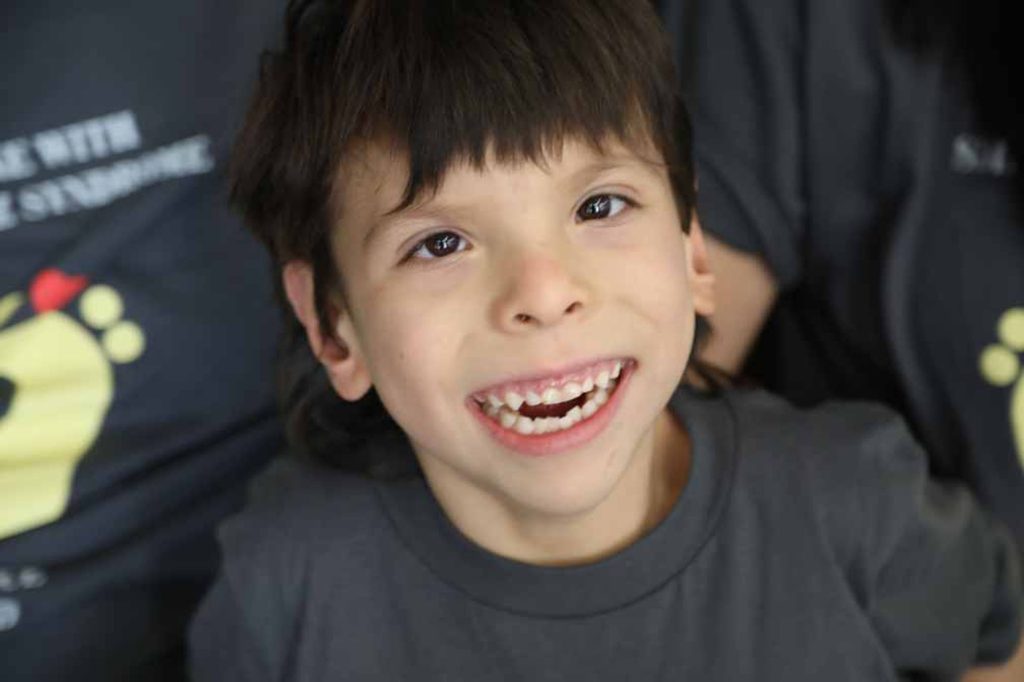
What Are the Symptoms of Smith-Lemli-Opitz Syndrome?
Common Physical Features:
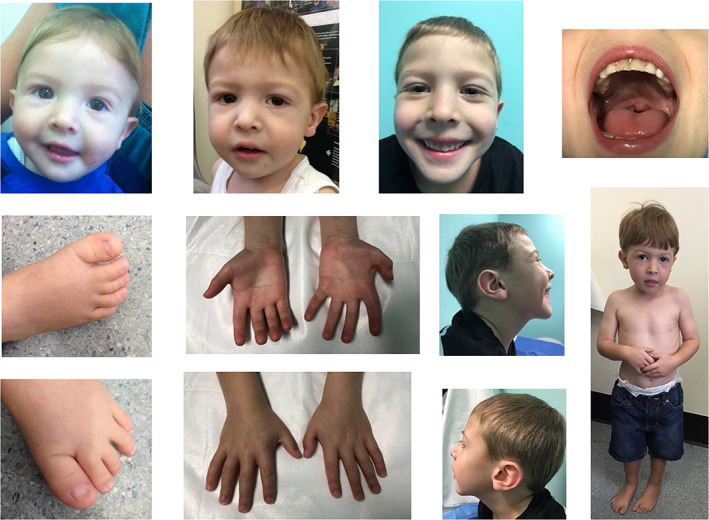
- Distinct facial features (small head, broad nasal bridge, upturned nostrils)
- Cleft palate
- Extra fingers or toes (polydactyly)
- Webbed toes (syndactyly)
- Genital abnormalities in males (small penis, undescended testes)
- Poor growth and feeding difficulties
- Microcephaly (small head size)
Neurological and Behavioral Symptoms:
- Intellectual disability or learning delays
- Developmental delays (speech, walking)
- Low muscle tone (hypotonia)
- Autism-like behaviors
- Irritability or sensitivity to light
What Causes Smith-Lemli-Opitz Syndrome?
SLOS is caused by mutations in the DHCR7 gene, which impairs the body’s ability to produce cholesterol. It is inherited in an autosomal recessive pattern, meaning a child must receive one defective gene from each parent to develop the disorder.
Low cholesterol levels and the buildup of toxic cholesterol precursors are responsible for the developmental and physical problems associated with SLOS.
Who is at Risk for Smith-Lemli-Opitz Syndrome?
- Children born to parents who both carry a mutation in the DHCR7 gene
- Parents with a known family history of SLOS
- Occurs more commonly in populations of European descent, though it can affect any ethnic group
How is Smith-Lemli-Opitz Syndrome Diagnosed?
- Blood tests to measure abnormal cholesterol levels (low cholesterol, elevated 7-dehydrocholesterol)
- Genetic testing to confirm mutations in the DHCR7 gene
- Prenatal screening (amniocentesis or chorionic villus sampling) in at-risk pregnancies
- Imaging and developmental assessments to evaluate physical and neurological features
How is Smith-Lemli-Opitz Syndrome Treated?
There is no cure for SLOS, but treatment focuses on managing symptoms and improving quality of life:
- Cholesterol supplementation: Oral cholesterol may help improve growth, behavior, and development
- Nutritional support: Feeding therapy or use of feeding tubes in infants with severe difficulties
- Surgical correction: For cleft palate, genital abnormalities, or other structural issues
- Developmental therapies: Physical, occupational, and speech therapy
- Behavioral interventions: Tailored support for autism-like symptoms or behavioral challenges
- Regular monitoring: Ongoing care by a multidisciplinary team including genetics, neurology, and endocrinology specialists
What Are the Complications of Smith-Lemli-Opitz Syndrome?
- Intellectual and developmental disabilities
- Poor growth and nutritional deficiencies
- Heart defects or other internal organ malformations
- Vision and hearing problems
- Behavioral or sleep disturbances
Can Smith-Lemli-Opitz Syndrome Be Prevented?
There is no way to prevent SLOS, but carrier screening for couples with a family history can help identify genetic risks before pregnancy. Genetic counseling is recommended for at-risk families.
