


What Is Kidney Tubular Acidosis?
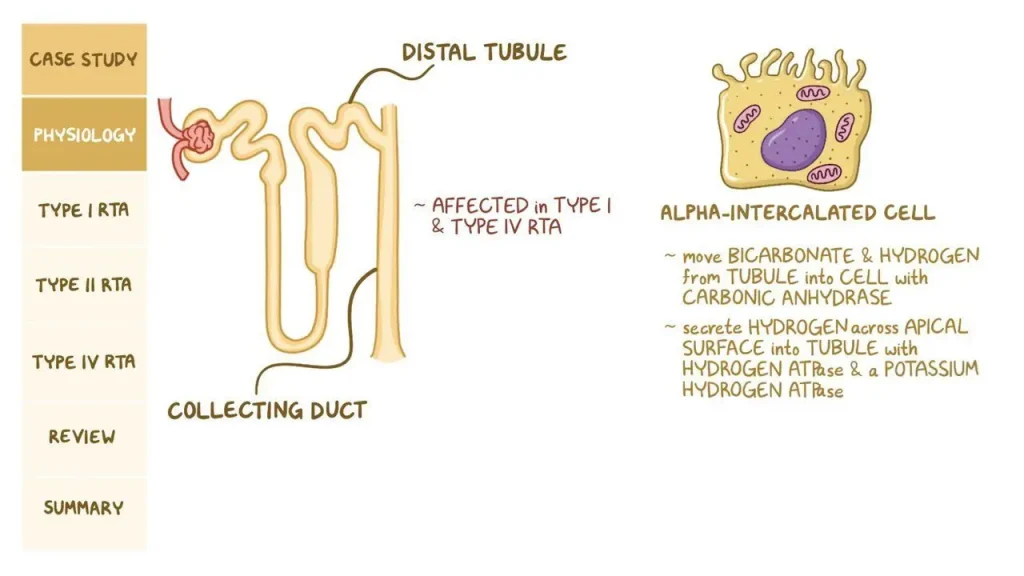
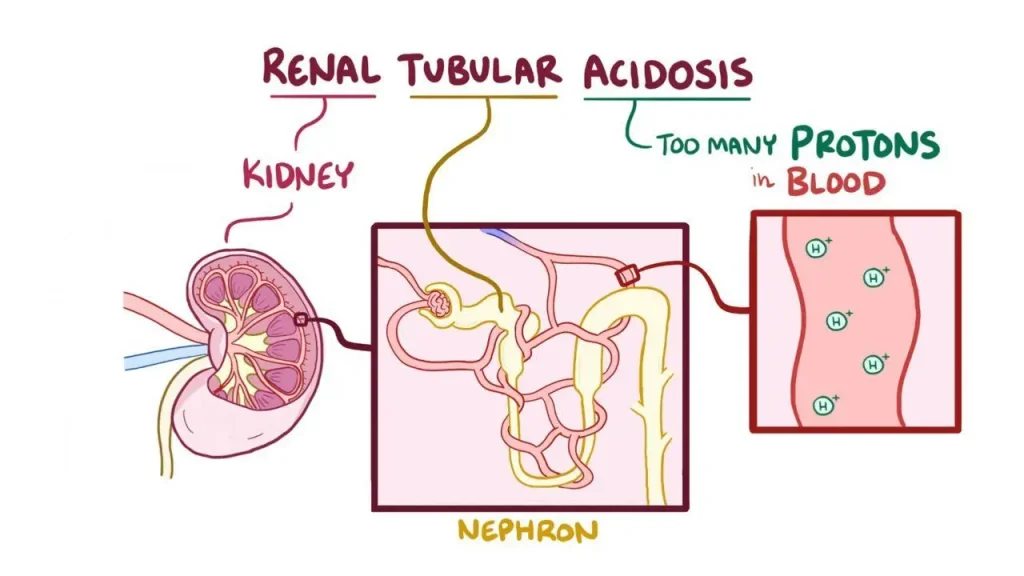
Kidney tubular acidosis (KTA) is a condition where the kidneys fail to properly acidify the urine, leading to an imbalance in the body’s pH levels. This results in a buildup of acid in the blood (metabolic acidosis). KTA is caused by defects in the renal tubules, the parts of the kidney responsible for filtering waste and regulating acid-base balance.
There are two main types of KTA: type 1 (distal) and type 2 (proximal), with each type affecting different parts of the renal tubules.
What Are the Causes of Kidney Tubular Acidosis?
Genetic Conditions
Some forms of KTA are inherited, such as primary distal renal tubular acidosis (dRTA) and proximal renal tubular acidosis (pRTA), which are caused by mutations in certain genes involved in kidney function.
Chronic Kidney Disease
Chronic kidney diseases can damage the kidneys’ ability to regulate acid and base levels, leading to KTA.
Medications
Certain medications, including diuretics, lithium, and amphotericin B, can cause kidney damage that results in tubular acidosis.
Autoimmune Diseases
Conditions like systemic lupus erythematosus (SLE) and sarcoidosis can cause inflammation and damage to the kidneys, leading to acidosis.
Chronic Diarrhea
Prolonged diarrhea can result in significant loss of bicarbonate from the body, leading to metabolic acidosis and potentially KTA.
Hypercalciuria and Kidney Stones
Excessive calcium in the urine (hypercalciuria) can contribute to the development of KTA and the formation of kidney stones.
Vitamin D Deficiency
Deficiency in vitamin D can impair calcium absorption and contribute to kidney tubular acidosis.
What Are the Symptoms of Kidney Tubular Acidosis?
Fatigue
Individuals with KTA often feel tired or weak due to the imbalance in their body’s acid-base levels.
Muscle Weakness
KTA can lead to muscle weakness due to the disruption of normal electrolyte balance.
Frequent Urination
Increased urination, particularly at night, is a common symptom of KTA, especially in children.
Bone Pain or Fractures
Metabolic acidosis can affect bone health, leading to pain, fractures, or bone loss over time.
Slow Growth in Children
In children, KTA can lead to poor growth or failure to thrive due to the effects of acidosis on the body’s metabolism.
Kidney Stones
Kidney stones, particularly calcium phosphate stones, are a common complication of KTA.
Dehydration
KTA can result in dehydration due to the kidneys’ inability to properly concentrate urine and regulate fluid balance.
Nausea and Vomiting
Acidosis can cause gastrointestinal distress, including nausea and vomiting.
How Is Kidney Tubular Acidosis Diagnosed?
Blood Tests
Blood tests are used to measure levels of bicarbonate and blood pH. Low bicarbonate levels and a low pH indicate acidosis, which is a key diagnostic feature of KTA.
Urine Tests
Urine tests help measure the ability of the kidneys to excrete acid. In KTA, the urine is often less acidic than expected, despite the body being in a state of acidosis.
Electrolyte Testing
Levels of potassium, calcium, and phosphate are tested to assess electrolyte imbalances, which are common in KTA.
Kidney Function Tests
Creatinine levels and glomerular filtration rate (GFR) are measured to assess overall kidney function and identify any associated kidney damage.
Genetic Testing
In cases of inherited KTA, genetic testing can help identify mutations that affect kidney function.
Imaging Studies
Imaging tests, such as ultrasound, may be used to identify kidney stones or any structural abnormalities in the kidneys.
How Is Kidney Tubular Acidosis Treated?
Bicarbonate Supplements
Treatment often includes oral bicarbonate to help restore normal pH levels in the blood and neutralize the excess acid. This is the most common treatment for both types of KTA.
Potassium Supplements
In cases of hypokalemia (low potassium levels), potassium supplements may be prescribed to correct the imbalance.
Medications for Underlying Conditions
If an underlying condition such as autoimmune disease or chronic kidney disease is contributing to KTA, medications to manage that condition (e.g., immunosuppressive drugs) may be prescribed.
Dietary Adjustments
A low-salt and low-protein diet may help manage the condition, especially in cases where dietary factors are contributing to acidosis.
Calcium and Vitamin D Supplements
In patients with bone demineralization, calcium and vitamin D supplements may be recommended to support bone health.
Treatment for Kidney Stones
If kidney stones develop due to KTA, treatment may involve stone removal or lithotripsy to break up the stones.
Dialysis
In severe cases where kidney function is significantly impaired, dialysis may be required to help remove excess acids and waste products from the blood.
How Can Kidney Tubular Acidosis Be Prevented?
Early Detection and Monitoring
Regular monitoring of kidney function, blood pH, and electrolytes can help detect KTA early and prevent complications.
Adequate Hydration
Staying well-hydrated can support kidney function and help prevent the formation of kidney stones in individuals with KTA.
Managing Underlying Conditions
Controlling conditions like diabetes, hypertension, or autoimmune diseases can help prevent kidney damage that leads to KTA.
Dietary Changes
A balanced diet with adequate calcium and vitamin D, while limiting sodium and protein, can help prevent further kidney damage and improve overall health.
Medications Adherence
Adhering to prescribed medications, including bicarbonate supplements and potassium replacements, is critical to managing the condition and preventing complications.