


What Is Rib Osteomyelitis?
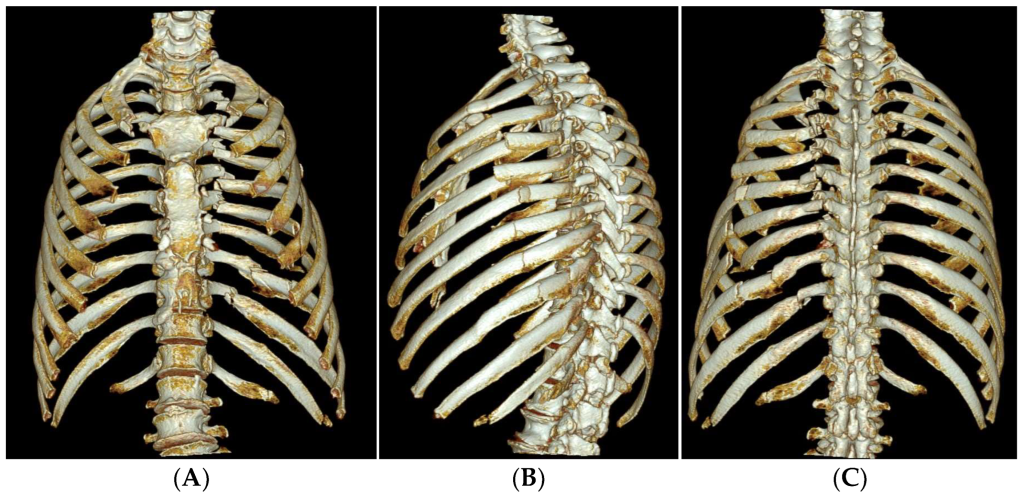
Rib osteomyelitis is a rare form of bone infection that affects the ribs. It involves the inflammation and destruction of rib bone tissue due to bacterial or fungal invasion. While osteomyelitis commonly affects long bones or the spine, involvement of the ribs is uncommon and can be challenging to diagnose.
What Causes Rib Osteomyelitis?
The primary causes of rib osteomyelitis include:
- Hematogenous Spread: Infection spreading through the bloodstream from other body parts.
- Direct Inoculation: Injury or trauma introducing pathogens directly to the rib bone.
- Extension from Nearby Infections: Infections in adjacent tissues, such as the lungs or skin, spreading to the rib.
Common pathogens involved are Staphylococcus aureus, including methicillin-resistant strains (MRSA), and Mycobacterium tuberculosis in certain regions.
What Are the Symptoms of Rib Osteomyelitis?
Symptoms may be subtle and nonspecific, leading to delayed diagnosis. They can include.
- Localized chest pain or tenderness over the affected rib.
- Swelling or a palpable mass.
- Fever and general malaise.
- Redness or warmth over the area.
- In chronic cases, draining sinus tracts or abscess formation.
How Is Rib Osteomyelitis Diagnosed?
Diagnosis involves a combination of clinical evaluation and diagnostic tests:
- Medical History and Physical Examination: Assessing symptoms and risk factors.
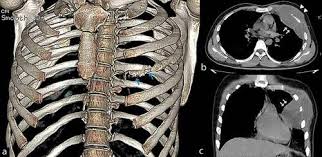
- Imaging Studies: MRI is particularly useful for detecting bone and soft tissue involvement.
- Laboratory Tests: Blood tests to identify signs of infection.
- Biopsy or Aspiration: Obtaining a sample from the affected area to identify the causative organism.
What Are the Treatment Options for Rib Osteomyelitis?
Treatment typically includes.
- Antibiotic Therapy: Administering appropriate antibiotics based on culture results, often intravenously for several weeks.
- Surgical Intervention: In cases where there is abscess formation, necrotic bone, or failure to respond to antibiotics, surgical debridement or resection may be necessary.
- Supportive Care: Pain management and monitoring for complications.
Can Rib Osteomyelitis Cause Complications?
If not treated promptly, rib osteomyelitis can lead to:
- Chronic Infection: Persistent infection requiring prolonged treatment.
- Bone Destruction: Leading to structural weakness or deformity.
- Spread of Infection: To adjacent tissues or the bloodstream, causing systemic illness.
- Formation of Sinus Tracts: Channels that drain pus to the skin surface.
How Can Rib Osteomyelitis Be Prevented?
Preventive measures include:
- Prompt Treatment of Infections: Addressing infections elsewhere in the body to prevent spread.
- Proper Wound Care: Ensuring injuries, especially to the chest area, are cleaned and monitored.
- Managing Chronic Conditions: Such as diabetes or immunosuppressive states that increase infection risk.