What is Advanced Sleep Phase Disorder (ASPD)?
Advanced Sleep Phase Disorder (ASPD) is a circadian rhythm sleep disorder where a person naturally falls asleep much earlier than usual and wakes up earlier than desired. Individuals with ASPD often feel sleepy in the early evening (e.g., 6-8 PM) and wake up very early in the morning (e.g., 2-5 AM), regardless of their bedtime.
ASPD primarily affects older adults but can also have a genetic component, running in families. It can interfere with social life, work schedules, and overall well-being.
What Causes Advanced Sleep Phase Disorder?
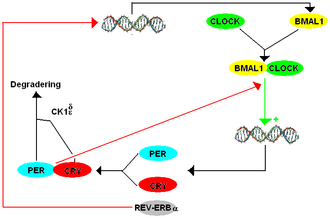
ASPD occurs due to a shift in the body’s internal biological clock (circadian rhythm), causing sleep and wake times to be earlier than normal. Possible causes include:
✔ Genetics – Some people inherit a predisposition for ASPD.
✔ Aging – The sleep-wake cycle naturally shifts earlier as people get older.
✔ Changes in Melatonin Production – The body releases melatonin (a sleep hormone) earlier than normal.
✔ Altered Light Exposure – Insufficient evening light or too much morning light can contribute to ASPD.
Who is at Risk for ASPD?
✔ Older adults (more common after age 60)
✔ People with a family history of ASPD
✔ Individuals with mood disorders like depression or bipolar disorder
✔ Those with irregular light exposure (e.g., early morning shift workers)
What Are the Symptoms of Advanced Sleep Phase Disorder?
✔ Early Sleep Onset – Feeling sleepy and going to bed very early (before 8-9 PM).
✔ Early Morning Waking – Waking up hours before the desired time (2-5 AM).
✔ Inability to Stay Awake in the Evening – Struggling to participate in evening activities.
✔ Normal Sleep Quality – Unlike insomnia, people with ASPD usually sleep well, just at an earlier time.
✔ Daytime Sleepiness – Can occur if the individual tries to stay up later than their biological clock allows.

How is Advanced Sleep Phase Disorder Diagnosed?
✔ Sleep Diary – Tracking sleep patterns over at least two weeks.
✔ Actigraphy – Wearing a wrist device to monitor sleep-wake cycles.
✔ Polysomnography (Sleep Study) – May be done if another sleep disorder is suspected.
✔ Melatonin Testing – Measures the timing of melatonin release in the body.
What Are the Treatment Options for ASPD?
While ASPD is not harmful, treatment is often sought to align sleep patterns with social and work schedules.
1. Light Therapy (Bright Light Exposure in the Evening)
✔ Using a light therapy box in the evening (6-9 PM) can delay the sleep cycle.
✔ Helps shift melatonin release to a later time.
2. Melatonin Supplements (Taken at Night)
✔ Taking low-dose melatonin closer to bedtime can help push sleep time later.
✔ Should be used under medical supervision.
3. Chronotherapy (Gradual Sleep Adjustment)
✔ Slowly shifting bedtime later by 15-30 minutes per night until reaching the desired schedule.
4. Sleep Hygiene and Behavioral Adjustments
✔ Avoid bright light in the early morning (e.g., wear sunglasses outside).
✔ Reduce caffeine and alcohol intake in the evening.
✔ Engage in stimulating activities at night to stay awake longer.
What is the Prognosis for ASPD?
✔ ASPD is not dangerous, but it can affect social life and daily activities.
✔ Consistent light therapy and behavioral changes can help adjust sleep patterns.
✔ Some people with strong genetic predisposition may always be morning-oriented sleepers.
Can ASPD Be Prevented?
✔ Maintain regular exposure to evening light to delay sleep onset.
✔ Avoid early morning bright light if you are prone to early waking.
✔ Practice consistent sleep schedules to keep your circadian rhythm in balance.