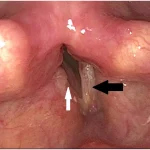
What is Laryngeal Paralysis?
Laryngeal paralysis is a condition in which the nerves that control the muscles of the larynx (voice box) become damaged, resulting in weakness or paralysis of the vocal cords. This can cause difficulty speaking, breathing, and swallowing. The condition may affect one or both sides of the larynx and can be caused by a variety of factors, including nerve injury, neurological disorders, or trauma.
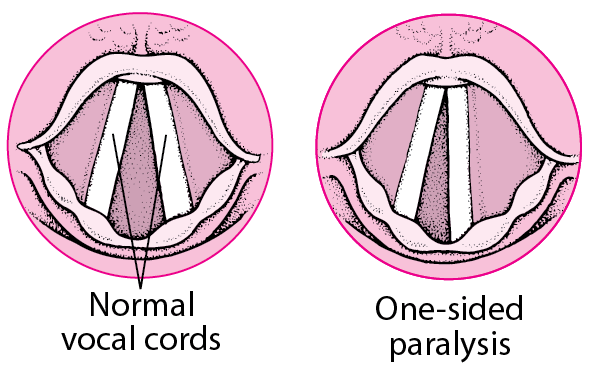
Types of Laryngeal Paralysis?
There are two primary types of laryngeal paralysis:
- Unilateral laryngeal paralysis: This occurs when only one vocal cord is paralyzed. It is the most common type and usually results in hoarseness, breathy voice, and difficulty swallowing.
- Bilateral laryngeal paralysis: This occurs when both vocal cords are paralyzed. It can cause significant difficulty breathing, as the vocal cords are unable to open properly to allow air into the lungs.
Causes of Laryngeal Paralysis?
Laryngeal paralysis can be caused by various factors, including:
- Nerve injury: Damage to the recurrent laryngeal nerve, which controls the vocal cords, is the most common cause of laryngeal paralysis. This can result from trauma, surgery (especially thyroid or neck surgeries), or pressure on the nerve.
- Neurological disorders: Conditions such as Parkinson’s disease, multiple sclerosis, stroke, or amyotrophic lateral sclerosis (ALS) can affect the nerve pathways leading to laryngeal paralysis.
- Viral infections: Some viral infections, including viral upper respiratory infections, can cause inflammation that affects the nerves controlling the larynx.
- Tumors: Tumors in the neck or chest, such as lung cancer or thyroid cancer, can compress the recurrent laryngeal nerve, leading to paralysis.
- Autoimmune diseases: Conditions like rheumatoid arthritis or Guillain-Barré syndrome can lead to nerve damage that affects the larynx.
- Idiopathic: In some cases, the cause of laryngeal paralysis is unknown, and no underlying condition is identified.
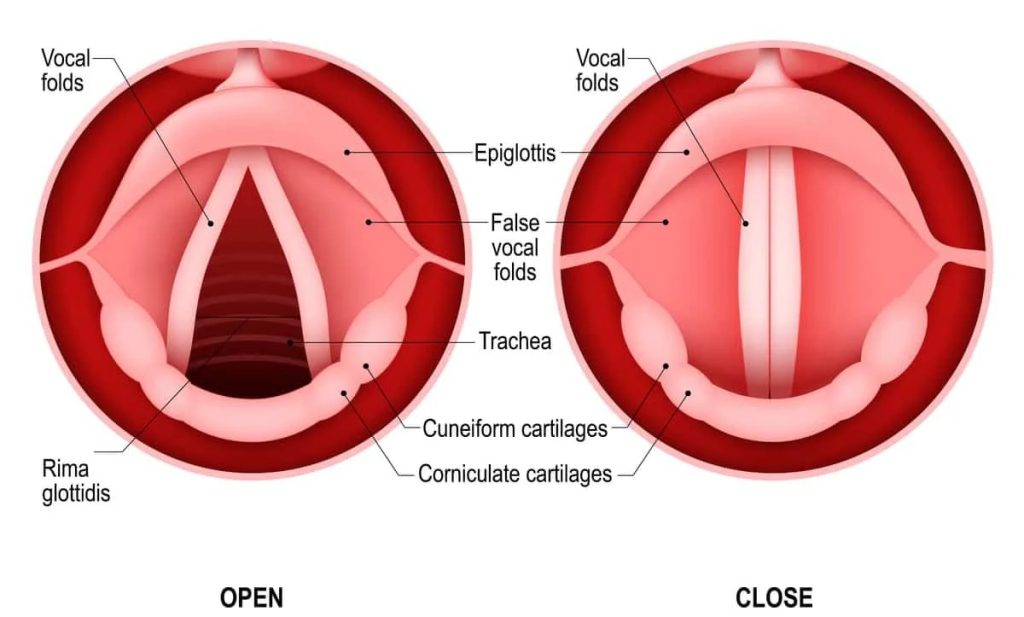
Symptoms of Laryngeal Paralysis?
Symptoms of laryngeal paralysis vary depending on whether one or both vocal cords are affected:
- Hoarseness or breathy voice: A hallmark symptom, especially with unilateral paralysis.
- Stridor: A high-pitched sound while breathing, often associated with bilateral paralysis.
- Difficulty swallowing (dysphagia): Can occur when the vocal cords do not close properly, leading to choking or aspiration.
- Weak or soft voice: Difficulty speaking loudly or projecting the voice.
- Shortness of breath: Particularly with bilateral paralysis, as the airways become more restricted.
- Frequent coughing or throat clearing: May be caused by food or liquids entering the airway due to impaired swallowing.
Diagnosis of Laryngeal Paralysis?
Diagnosis of laryngeal paralysis involves several methods:
- Laryngoscopy: A procedure where a flexible tube with a camera (laryngoscope) is inserted into the throat to visualize the vocal cords and assess their movement.
- Voice assessment: A speech therapist may assess the quality of the voice and the ability to speak and swallow properly.
- Neurological examination: A thorough neurological exam may help determine whether the paralysis is caused by a nerve or brain issue.
- Imaging tests: In some cases, a CT scan or MRI may be recommended to identify any tumors, nerve compression, or other abnormalities affecting the larynx.
Treatment and Management of Laryngeal Paralysis?
Treatment for laryngeal paralysis depends on the severity of the condition and the underlying cause:
- Voice therapy: Working with a speech therapist can help improve voice quality, strengthen the muscles of the larynx, and teach breathing exercises to improve airflow.
- Surgical options:
- Medialization laryngoplasty: A procedure to move the paralyzed vocal cord toward the center of the airway, improving voice quality and preventing aspiration.
- Reinnervation surgery: This surgery involves transferring a nerve from another part of the body to the recurrent laryngeal nerve to restore function to the vocal cords.
- Tracheotomy: In severe cases of bilateral laryngeal paralysis where breathing is compromised, a tracheostomy may be necessary to allow the patient to breathe.
- Botox injections: In some cases, botulinum toxin injections are used to relax overactive muscles in the vocal cords, improving voice quality.
- Medication: If laryngeal paralysis is caused by an underlying condition such as an autoimmune disorder or viral infection, treatment of the underlying condition may help alleviate symptoms.
Possible Complications of Laryngeal Paralysis?
If left untreated, laryngeal paralysis can lead to several complications:
- Aspiration pneumonia: This occurs when food or liquids are inhaled into the lungs, leading to infection.
- Chronic respiratory issues: Difficulty breathing, especially if bilateral paralysis is present, can cause long-term respiratory problems.
- Voice loss: If the paralysis is not addressed, it can lead to permanent voice impairment.
- Difficulty eating and drinking: Dysphagia can result in weight loss, malnutrition, and dehydration.
Prevention of Laryngeal Paralysis?
While some causes of laryngeal paralysis, such as nerve injury during surgery or neurological disorders, may not be preventable, certain measures can reduce the risk:
- Avoiding trauma: Careful handling during surgeries or procedures that may involve the neck or throat can reduce the risk of nerve injury.
- Managing underlying conditions: Proper management of conditions like Parkinson’s disease, stroke, or multiple sclerosis may reduce the likelihood of developing laryngeal paralysis.
- Vaccination: Preventing viral infections that can affect the laryngeal nerves through vaccination (such as for measles, mumps, or varicella) may help lower risk.
When to See a Doctor?
Consult a healthcare provider if you experience:
- Hoarseness or voice changes that last longer than two weeks.
- Difficulty breathing, especially if it worsens over time.
- Difficulty swallowing or choking when eating or drinking.
- Persistent coughing or throat clearing.
- Stridor (a high-pitched breathing sound), especially in children.