What is Phlebitis?
Phlebitis is the inflammation of a vein, most commonly in the legs. It can occur in superficial veins (close to the skin surface), known as superficial phlebitis, or in deeper veins, which may lead to more serious conditions like deep vein thrombosis (DVT).

What causes Phlebitis?
Phlebitis can be caused by various factors, including:
- Injury or trauma to a vein (e.g., from an IV line or injection)
- Prolonged immobility or bed rest
- Varicose veins
- Infection
- Certain medications or irritants
- Blood clot formation (thrombophlebitis)
- Underlying medical conditions like clotting disorders or cancer
Who is affected by Phlebitis?
Phlebitis can affect people of all ages, but risk increases with:
- Older age
- Recent surgery or hospitalization
- Long periods of immobility (e.g., long flights or car rides)
- Use of birth control pills or hormone therapy
- Smoking
- Obesity
- History of vein problems or blood clots
What are the symptoms of Phlebitis?
Common symptoms include:
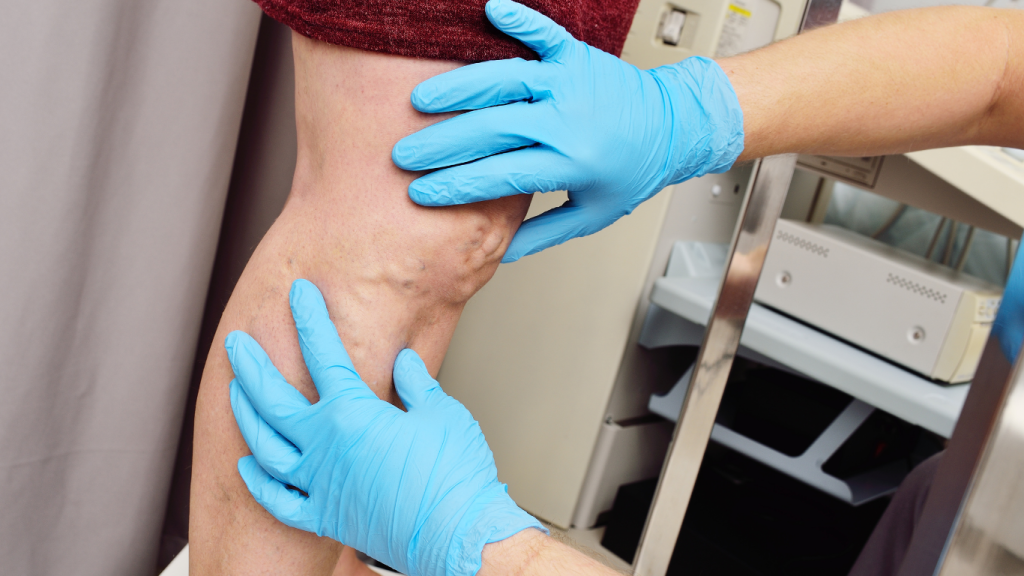
- Redness and warmth over the affected vein
- Swelling and tenderness in the area
- A hard or cord-like vein that can be felt under the skin
- Pain or discomfort, especially when standing or walking
If a deep vein is involved (DVT), symptoms may be more severe and include leg swelling and a heavy feeling in the limb.
How is Phlebitis diagnosed?
Diagnosis is based on:
- Physical examination and medical history
- Ultrasound imaging to check for blood clots
- Blood tests such as D-dimer (to assess clot risk) if DVT is suspected
What treatment options are available for Phlebitis?
Treatment depends on the severity and type:
- Superficial phlebitis may be managed with:
- Warm compresses
- Anti-inflammatory medications (like ibuprofen)
- Compression stockings
- Elevating the affected limb
- Thrombophlebitis may require:
- Blood thinners to prevent or treat clots
- Antibiotics if infection is present
- Monitoring or hospitalization in severe cases
What is the prognosis for Phlebitis?
Most cases of superficial phlebitis resolve within a few weeks with proper treatment. However, if left untreated or if associated with DVT, it can lead to serious complications like pulmonary embolism.
Can Phlebitis affect daily life?
Phlebitis can cause temporary discomfort and limit mobility, but with treatment, most people can return to normal activities. Ongoing vein health may require lifestyle changes or continued use of compression garments.
How can Phlebitis be prevented?
Prevention tips include:
- Staying active and avoiding prolonged immobility
- Staying hydrated
- Wearing compression stockings if advised
- Avoiding smoking
- Managing weight and underlying health conditions
- Following doctor’s advice after surgery or during long travel
Where can someone find support or more information?
Healthcare providers such as primary care physicians, vascular specialists, or hematologists can help with diagnosis and management. Trusted resources include the American Venous Forum and the National Blood Clot Alliance.