


What is Jaw Dislocation?
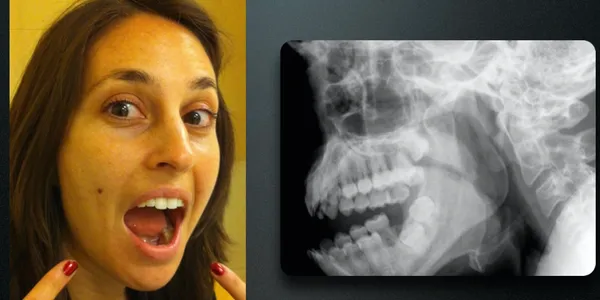
Jaw dislocation occurs when the lower jawbone (mandible) moves out of its normal position at the temporomandibular joint (TMJ)—the hinge that connects the jaw to the skull. This condition is often painful and can make it difficult to talk, eat, or close the mouth properly.
Jaw dislocation can be acute (sudden) or chronic (recurring), and usually requires medical attention to reposition the jaw.
What causes Jaw Dislocation?
Jaw dislocation can result from several triggers, including:
- Trauma to the jaw (e.g., car accidents, falls, punches)
- Yawning widely
- Opening the mouth forcefully (e.g., during dental procedures or vomiting)
- Hypermobile joints or connective tissue disorders (e.g., Ehlers-Danlos syndrome)
- Weakness or laxity in the ligaments that support the jaw
Recurrent dislocations may happen with minimal movement in people who are prone to it.
What are the symptoms of Jaw Dislocation?
Common signs and symptoms include:
- Inability to close the mouth
- Jaw pain or tenderness
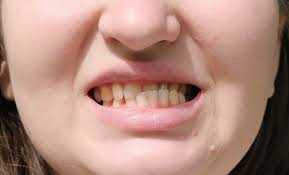
- Facial asymmetry
- Difficulty speaking or chewing
- Drooling or slurred speech
- Clicking or popping sound from the TMJ
- Swelling around the jaw joint
In chronic cases, the jaw may dislocate frequently with simple actions like yawning or laughing.
How is Jaw Dislocation diagnosed?
Diagnosis is usually based on:
- Physical examination to check the position of the jaw and joint
- Medical history to identify any previous dislocations or underlying conditions
- Imaging studies such as:
- X-rays
- CT scans for detailed bone structure
- MRI if soft tissue involvement is suspected
Prompt diagnosis is important to avoid complications and further damage.
How is Jaw Dislocation treated?
Treatment depends on whether the dislocation is acute or chronic:
- Manual reduction: A healthcare provider gently moves the jaw back into place using a specific technique.
- Pain relief and muscle relaxants: Often given to ease muscle tension during or after repositioning.
- Jaw rest: Patients are advised to avoid wide mouth opening and eat soft foods.
- Supportive devices: In some cases, a jaw bandage or splint may be used for stabilization.
- Surgery: May be needed for repeated dislocations or if there is damage to the joint or ligaments. Options include:
- Tightening ligaments
- Reshaping the joint
- TMJ replacement in severe cases
What is the prognosis for Jaw Dislocation?
With proper treatment, most jaw dislocations heal well, especially when treated early. However, recurrent dislocations may require more advanced management or surgery. Prevention includes avoiding wide yawns and excessive pressure on the jaw.
Chronic cases may benefit from TMJ therapy, physical therapy, or lifestyle modifications.
Key facts to remember
- Jaw dislocation is when the mandible slips out of place at the TMJ
- Caused by trauma, forceful movement, or joint instability
- Symptoms include jaw pain, inability to close the mouth, and facial imbalance
- Diagnosed by physical exam and imaging
- Treated by manual reduction, rest, and sometimes surgery
- Prognosis is good, but chronic cases may need long-term care
