What is Bacteremia?
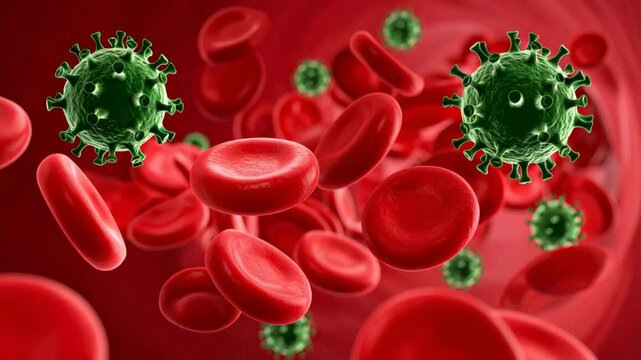
• Presence of bacteria in the bloodstream
• Can be temporary, recurrent, or persistent
• Often occurs after infections, surgeries, or medical procedures
• May be harmless or lead to serious conditions like sepsis

What Causes Bacteremia?
• Infections (urinary tract, lungs, skin, or gut)
• Dental procedures or poor oral hygiene
• Invasive surgeries or catheter insertions
• Intravenous drug use
• Immunocompromised conditions (HIV, cancer treatments)
What Are the Symptoms?
• Often no symptoms if mild or transient
• Fever or chills
• Rapid heartbeat or breathing
• Fatigue or weakness
• Confusion, especially in older adults
• May progress to sepsis if untreated
How is It Diagnosed?
• Blood cultures (main diagnostic test)
• Complete blood count (CBC)
• Imaging tests to find source of infection
• Urine tests or sputum cultures if infection suspected elsewhere
What is the Treatment?
• Immediate antibiotics (IV or oral, depending on severity)
• Hospitalization if serious or if sepsis is suspected
• Removal or treatment of the source of infection (e.g., infected catheter or abscess)
• Supportive care like fluids, oxygen, or ICU monitoring in severe cases
What Are the Complications?
• Sepsis (life-threatening response to infection)
• Endocarditis (infection of heart lining)
• Septic shock (dangerously low blood pressure)
• Organ failure (lungs, kidneys, liver, etc.)
• Death if untreated or in high-risk individuals
Can It Be Prevented?
• Proper wound care and hygiene
• Timely treatment of infections
• Sterile technique during surgeries and catheter use
• Good dental hygiene and regular dental checkups
• Avoid sharing needles or unsterile injections
When to Seek Medical Help?
• High fever with no known cause
• Symptoms of infection with chills or rapid heart rate
• After a surgical procedure if fever or pain develops
• If you have a compromised immune system and feel unwell
• Signs of sepsis like confusion, very low BP, or severe shortness of breath