


What Is Intestinal Obstruction?
Intestinal obstruction is a condition where the normal movement of contents through the intestine is blocked. This blockage can be partial or complete, and it can occur in either the small intestine or the large intestine (colon).
When the intestine is obstructed, food, fluids, and gas build up behind the blockage, which can lead to swelling, pain, and potentially serious complications if not treated promptly.
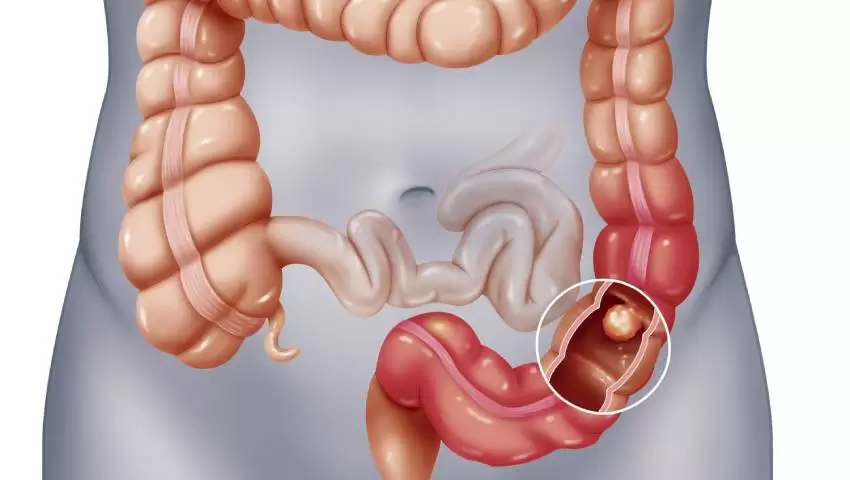
What Causes Intestinal Obstruction?
The causes of obstruction vary depending on the location and whether it’s mechanical (a physical blockage) or functional (when the muscles or nerves aren’t working properly).
Mechanical Obstruction:
- Adhesions (scar tissue from previous surgeries)
- Hernias
- Tumors
- Volvulus (twisting of the intestine)
- Intussusception (one part of the intestine slides into another, more common in children)
- Fecal impaction
- Foreign objects or swallowed substances
Functional Obstruction (also known as paralytic ileus):
- Abdominal surgery recovery
- Infections or inflammation (e.g., peritonitis)
- Neurological disorders
- Certain medications (e.g., opioids)
What Are the Symptoms of Intestinal Obstruction?
Symptoms may come on suddenly (acute) or develop over time (chronic), and they can include:
- Abdominal pain (cramping and intermittent)
- Bloating and swelling
- Nausea and vomiting
- Inability to pass gas or stool
- Constipation
- Loud bowel sounds early on, followed by silence if the bowel becomes inactive
In severe cases, the abdomen may become firm and extremely tender.
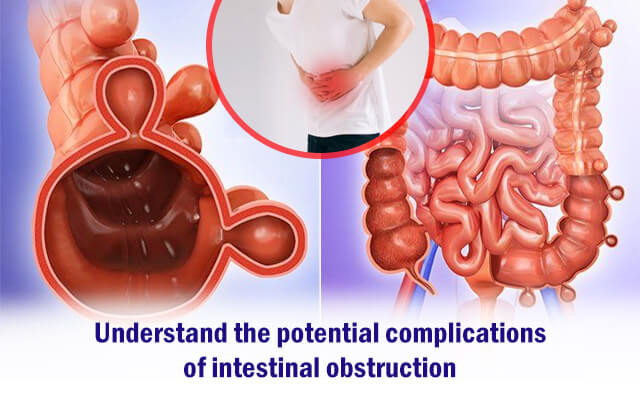
How Is Intestinal Obstruction Diagnosed?
A combination of physical exam and diagnostic tests is used:
- Abdominal X-rays (to check for air-fluid levels or dilated bowel loops)
- CT scan (more detailed and helpful in identifying the cause)
- Ultrasound (often used in children for intussusception)
- Blood tests (to look for signs of infection, dehydration, or electrolyte imbalances)
Your healthcare provider will also ask about your symptoms, medical history, and any recent surgeries or illnesses.
How Is Intestinal Obstruction Treated?
Treatment depends on the cause, severity, and whether the obstruction is complete or partial.
Non-surgical Management:
- Bowel rest (nothing by mouth, fluids given through IV)
- Nasogastric tube insertion to remove stomach contents and relieve pressure
- IV fluids and electrolyte correction
- Medications to manage pain and nausea
- Monitoring to see if the obstruction resolves on its own (especially for partial obstructions or ileus)
Surgical Management:
- Surgery is needed if there is:
- Complete blockage
- Bowel tissue death (necrosis)
- Obstruction due to tumors, volvulus, or intussusception
- No improvement with conservative treatment
- The surgeon may remove the obstruction, resect damaged sections, or correct structural issues.
What Are the Complications of Intestinal Obstruction?
If untreated, complications can be serious and include:
- Bowel perforation (hole in the intestine)
- Sepsis (body-wide infection)
- Tissue death (necrosis)
- Severe dehydration and electrolyte imbalance
- Long-term bowel problems
Prompt treatment can greatly reduce the risk of complications.
Who Is at Risk for Intestinal Obstruction?
You may be at increased risk if you:
- Have had previous abdominal or pelvic surgeries
- Have hernias
- Have colon or abdominal cancers
- Use medications that slow digestion (e.g., opioids)
- Have Crohn’s disease or other inflammatory bowel conditions
- Are older adults, especially with multiple health issues
How Can Intestinal Obstruction Be Prevented?
While not all cases can be prevented, you can reduce your risk by:
- Managing chronic conditions like Crohn’s disease
- Avoiding foods that cause constipation or blockages, especially if you have a history of obstruction
- Following post-surgical guidelines to minimize adhesion formation
- Staying hydrated and maintaining healthy bowel habits
- Seeking early medical attention for abdominal pain or digestive changes