


Agenesis of the Corpus Callosum: Causes, Symptoms, Diagnosis, and Treatment
What is Agenesis of the Corpus Callosum?
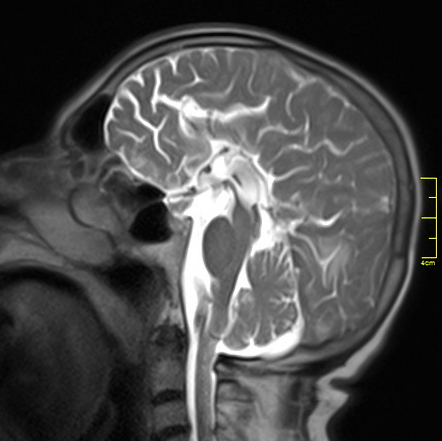
Agenesis of the Corpus Callosum (ACC) is a rare congenital brain disorder where the corpus callosum, the structure that connects the two hemispheres of the brain, fails to develop fully or is completely absent. This condition affects the brain’s ability to transmit signals between the left and right hemispheres, which can result in developmental delays, cognitive impairments, and neurological symptoms.
ACC can occur as an isolated condition or be associated with other brain abnormalities and genetic syndromes. The severity of symptoms varies widely, with some individuals having mild impairments and others experiencing severe neurological difficulties.
What Causes Agenesis of the Corpus Callosum?
The exact cause of ACC is not always known, but it occurs due to disruptions in brain development during fetal growth. Possible causes include:
✔ Genetic Mutations – Inherited or spontaneous mutations affecting brain formation.
✔ Chromosomal Abnormalities – Conditions like Aicardi syndrome, Andermann syndrome, and Trisomy 13 or 18 can be associated with ACC.
✔ Prenatal Infections – Viral infections like rubella or cytomegalovirus (CMV) during pregnancy.
✔ Exposure to Toxins – Alcohol, drugs, or toxins during fetal development (fetal alcohol syndrome can contribute).
✔ Brain Development Disorders – Other structural brain malformations can lead to ACC.
Who is at Risk for Agenesis of the Corpus Callosum?
✔ Babies with a family history of brain abnormalities.
✔ Infants born to mothers with infections or exposure to harmful substances during pregnancy.
✔ Individuals with genetic syndromes linked to abnormal brain development.
What Are the Symptoms of Agenesis of the Corpus Callosum?
Symptoms vary depending on the severity of the condition. Some individuals may have no noticeable symptoms, while others experience significant developmental and neurological challenges.
Common Symptoms of ACC:
✔ Developmental Delays – Delays in motor skills, crawling, walking, or speech.
✔ Intellectual Disabilities – Ranges from mild learning difficulties to severe cognitive impairment.
✔ Poor Muscle Coordination (Ataxia) – Difficulty with balance and coordination.
✔ Seizures – Common in more severe cases.
✔ Vision and Hearing Problems – Some may experience sensory impairments.
✔ Behavioral and Social Challenges – Difficulty with problem-solving, understanding emotions, and social interactions (sometimes resembling autism spectrum disorder).
✔ Feeding Difficulties in Infants – Some newborns struggle with sucking and swallowing.
Mild Cases (Isolated ACC)
✔ Some individuals may have normal intelligence with minor cognitive or social difficulties.
✔ Symptoms may only become noticeable in later childhood or adulthood.
How is Agenesis of the Corpus Callosum Diagnosed?
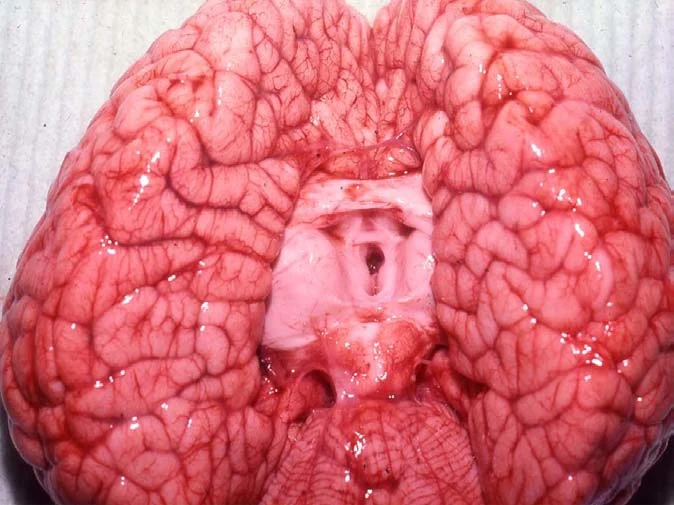
ACC is usually diagnosed through brain imaging tests. It can be detected before birth or later in life when symptoms appear.
✔ Prenatal Ultrasound – Can sometimes detect ACC in the second or third trimester.
✔ Fetal MRI (Magnetic Resonance Imaging) – Provides a clearer view of brain development.
✔ Postnatal MRI or CT Scan – Confirms the absence or partial development of the corpus callosum.
✔ Genetic Testing – May help identify associated genetic conditions.
✔ Neurological and Developmental Assessments – Evaluates cognitive and motor function in children.
What Are the Treatment Options for Agenesis of the Corpus Callosum?
There is no cure for ACC, but treatments focus on managing symptoms and improving quality of life.
✔ Early Intervention Therapy – Physical, occupational, and speech therapy can help improve motor and cognitive skills.
✔ Special Education Support – Individualized learning plans (IEPs) for children with cognitive challenges.
✔ Seizure Management – Antiepileptic medications if seizures occur.
✔ Behavioral Therapy – Helps with social skills and emotional regulation.
✔ Assistive Devices – Tools to support communication and mobility in severe cases.
What is the Prognosis for Agenesis of the Corpus Callosum?
✔ Mild Cases – Many individuals lead normal lives with minimal impairment.
✔ Severe Cases – Intellectual disabilities and neurological issues may require lifelong support.
✔ Early diagnosis and therapy significantly improve long-term outcomes.
Can Agenesis of the Corpus Callosum Be Prevented?
Since ACC occurs during early brain development, there is no guaranteed way to prevent it, but pregnant women can reduce risks by:
✔ Avoiding alcohol, drugs, and harmful substances.
✔ Getting routine prenatal care and screenings.
✔ Preventing infections during pregnancy (vaccinations, hygiene, and avoiding contact with sick individuals).
