What is Ocular Hypertension?
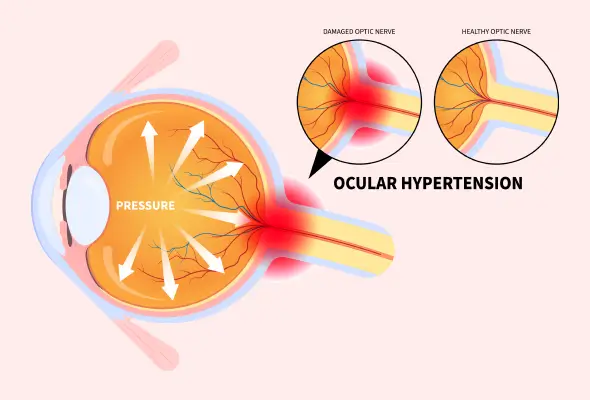
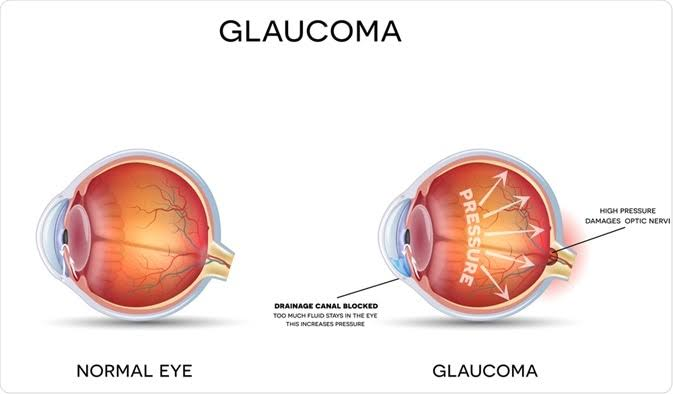
Ocular hypertension refers to higher-than-normal pressure within the eye, also known as intraocular pressure (IOP). This condition occurs when the fluid inside the eye, called aqueous humor, is not drained properly, causing it to build up and increase the pressure. Ocular hypertension is a major risk factor for glaucoma, a group of eye diseases that can lead to damage to the optic nerve and permanent vision loss.
Unlike glaucoma, ocular hypertension does not necessarily lead to optic nerve damage or vision loss, but it can increase the risk if left untreated. Regular monitoring is essential to prevent potential progression into glaucoma.
Causes
The exact cause of ocular hypertension is not always clear, but several factors may contribute to its development:
- Impaired drainage of aqueous humor: The primary cause of ocular hypertension is the inability of the eye’s drainage system, known as the trabecular meshwork, to effectively drain the aqueous humor. This leads to a buildup of fluid and increased pressure.
- Genetics: A family history of ocular hypertension or glaucoma may increase the risk of developing the condition.
- Age: Ocular hypertension is more common in individuals over the age of 40, with the risk increasing as people age.
- Ethnicity: People of African descent have a higher risk of developing ocular hypertension, as do individuals of Hispanic or Latino descent.
- Medical conditions: Certain health issues, such as diabetes, high blood pressure, or hypothyroidism, may increase the risk of ocular hypertension.
- Medications: Long-term use of corticosteroids, whether oral or topical (e.g., eye drops), can raise intraocular pressure.
- Eye injury or surgery: Past trauma or surgery to the eye can increase the risk of ocular hypertension.
- Thin corneas: People with thin corneas may be at higher risk for elevated intraocular pressure.
Symptoms
Ocular hypertension generally does not present any noticeable symptoms in the early stages. In most cases, individuals with elevated intraocular pressure do not experience pain, vision changes, or any discomfort. This is why regular eye exams are critical for detecting the condition before it leads to more serious complications like glaucoma.
If left untreated, some symptoms may begin to emerge, such as:
- Blurred vision or gradual loss of peripheral vision (in advanced stages)
- Eye pain or discomfort (though uncommon)
- Redness in the eye
- Frequent headaches
It is important to note that ocular hypertension can progress without any symptoms, making it essential for individuals at higher risk to have regular eye check-ups to monitor their intraocular pressure.
Diagnosis
Ocular hypertension is diagnosed during a comprehensive eye examination, which includes several tests to measure intraocular pressure and assess the health of the eye. These tests may include:
- Tonometry: This test measures the pressure inside the eye, which is the primary way to diagnose ocular hypertension. The most common method used is the Goldmann applanation tonometer.
- Pachymetry: This test measures the thickness of the cornea, as thinner corneas can be associated with higher risks of elevated intraocular pressure.
- Visual field test: While ocular hypertension itself doesn’t cause vision loss, your doctor may perform this test to look for early signs of damage to the optic nerve.
- Optic nerve examination: The eye doctor will examine the optic nerve to detect any signs of damage, which could indicate the development of glaucoma.
- OCT (Optical Coherence Tomography): This imaging test can help assess the thickness of the retina and optic nerve to identify any early signs of glaucoma or other damage.
Treatment
While ocular hypertension does not always require immediate treatment, it is crucial to manage the condition to prevent the development of glaucoma. Treatment options vary depending on the severity of the intraocular pressure and individual risk factors:
Medications
- Prostaglandin analogs: These eye drops work by increasing the outflow of aqueous humor, reducing intraocular pressure.
- Beta-blockers: These help decrease the production of aqueous humor and reduce eye pressure.
- Alpha agonists: These reduce the production of aqueous humor and can also improve fluid drainage.
- Carbonic anhydrase inhibitors: These work by decreasing fluid production in the eye.
- Combination eye drops: Some medications combine two or more drugs to help manage intraocular pressure more effectively.
Lifestyle Changes
Although medications are commonly prescribed, certain lifestyle modifications may help manage intraocular pressure:
- Regular exercise: Engaging in moderate exercise can help reduce intraocular pressure.
- Healthy diet: A diet rich in fruits, vegetables, and omega-3 fatty acids may support eye health and reduce the risk of complications.
- Avoiding excessive caffeine: Some studies suggest that excessive caffeine consumption can raise intraocular pressure, so reducing intake may be beneficial.
Regular Monitoring
For people with ocular hypertension, regular eye exams are crucial to detect any changes in intraocular pressure and prevent progression to glaucoma. Your eye doctor will monitor the condition closely and adjust treatment as necessary.
Prognosis
The prognosis for ocular hypertension is generally good, especially with early detection and appropriate management. While ocular hypertension itself does not always result in optic nerve damage or vision loss, it is a risk factor for glaucoma. With proper monitoring and treatment, many people with ocular hypertension can maintain healthy vision and prevent complications.
If left untreated, however, ocular hypertension can lead to the development of open-angle glaucoma or angle-closure glaucoma, both of which can cause permanent vision loss. This is why it’s important to follow your eye doctor’s recommendations and have regular follow-up appointments.
Support and Resources
- American Academy of Ophthalmology (AAO) – aao.org: Offers resources for individuals with ocular hypertension and other eye conditions.
- Glaucoma Research Foundation – glaucoma.org: Provides educational information and support for those at risk for glaucoma, including individuals with ocular hypertension.
- National Eye Institute (NEI) – nei.nih.gov: Offers information on eye health and conditions like ocular hypertension and glaucoma.
- Prevent Blindness – preventblindness.org: Provides education and resources for individuals at risk for vision problems and those diagnosed with ocular hypertension.