


What Is Kidney-Induced Hypertension?
Kidney-induced hypertension, also known as renal hypertension, occurs when high blood pressure is caused by an underlying problem in the kidneys. The kidneys play a crucial role in regulating blood pressure by controlling fluid balance and releasing hormones that affect blood vessel constriction. When kidney function is impaired, it can lead to an increase in blood pressure, which can worsen kidney damage and create a vicious cycle.
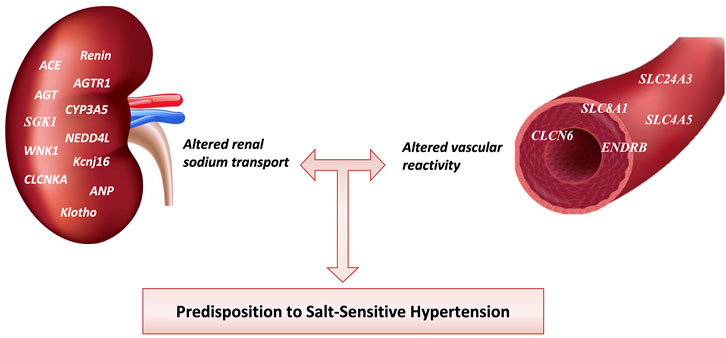
What Are the Causes of Kidney-Induced Hypertension?
Chronic Kidney Disease (CKD)
In CKD, the kidneys’ ability to filter waste and regulate fluid is compromised. This can lead to fluid buildup in the body, increasing blood pressure. Additionally, CKD can impair the kidneys’ ability to produce hormones that help manage blood pressure.
Renal Artery Stenosis
A narrowing of the arteries that supply blood to the kidneys, known as renal artery stenosis, can reduce blood flow to the kidneys. This triggers the kidneys to release renin, a hormone that increases blood pressure to try to improve kidney perfusion.
Polycystic Kidney Disease
In polycystic kidney disease (PKD), cysts grow on the kidneys, impairing their function and leading to increased blood pressure. PKD can also cause hormonal imbalances that elevate blood pressure.
Glomerulonephritis
Glomerulonephritis, an inflammation of the kidney’s filtering units (glomeruli), can lead to scarring and decreased kidney function. This condition may result in high blood pressure as the kidneys struggle to manage fluid and sodium balance.
Acute Kidney Injury (AKI)
A sudden loss of kidney function due to infections, toxins, or injury can cause short-term renal hypertension. AKI can lead to fluid retention, sodium imbalances, and increased blood pressure.
Obstructive Nephropathy
Obstruction in the urinary tract, such as from kidney stones or enlarged prostate, can cause a backup of urine and damage to the kidneys, resulting in elevated blood pressure.
Excessive Renin Production
In some cases, the kidneys may produce too much renin, a hormone that raises blood pressure by constricting blood vessels. This can happen due to kidney tumors or other abnormalities affecting kidney function.

What Are the Symptoms of Kidney-Induced Hypertension?
High Blood Pressure
The primary symptom of kidney-induced hypertension is elevated blood pressure, which may not cause noticeable symptoms in the early stages but can result in serious complications if left untreated.
Fatigue
As blood pressure rises, the heart works harder to pump blood, leading to a feeling of tiredness or fatigue.
Headaches
Chronic high blood pressure can cause frequent or severe headaches, especially in the back of the head.
Shortness of Breath
High blood pressure from kidney disease can lead to fluid buildup in the lungs (pulmonary edema), causing difficulty breathing or shortness of breath.
Swelling in the Legs and Ankles
Fluid retention associated with kidney dysfunction can cause swelling in the lower extremities, including the legs, ankles, and feet.
Blurred Vision
Severe hypertension can damage the blood vessels in the eyes, leading to blurred vision or other visual disturbances.
Chest Pain
In advanced cases, kidney-induced hypertension may lead to chest pain, often related to the heart’s increased workload and the potential for heart disease or heart failure.
How Is Kidney-Induced Hypertension Diagnosed?
Blood Pressure Monitoring
Blood pressure readings are regularly taken to detect high blood pressure. A diagnosis of kidney-induced hypertension is made when elevated blood pressure is linked to underlying kidney problems.
Blood Tests
Tests to measure kidney function, including serum creatinine, blood urea nitrogen (BUN), and glomerular filtration rate (GFR), are done to assess kidney health.
Urine Tests
Urinalysis can detect proteinuria (protein in the urine), a sign of kidney damage. Protein in the urine is often associated with kidney disease and can contribute to hypertension.
Renal Ultrasound
A renal ultrasound may be used to evaluate the kidneys for abnormalities such as cysts, obstruction, or kidney size that may contribute to high blood pressure.
Renal Arteriography
In cases of suspected renal artery stenosis, a renal arteriogram can be performed to assess blood flow to the kidneys and identify any blockages or narrowing of the renal arteries.
CT Scan or MRI
A CT scan or MRI may be used to get detailed images of the kidneys and surrounding blood vessels to assess any structural issues that could cause hypertension.
How Is Kidney-Induced Hypertension Treated?
Antihypertensive Medications
The primary treatment for kidney-induced hypertension is antihypertensive medications to lower blood pressure. Common classes of medications include:
- ACE inhibitors (e.g., lisinopril)
- Angiotensin receptor blockers (ARBs) (e.g., losartan)
- Calcium channel blockers (e.g., amlodipine)
- Diuretics (e.g., furosemide)
Renal Artery Stent Placement
In cases of renal artery stenosis, procedures such as angioplasty or placing a stent in the narrowed artery can improve blood flow to the kidneys and lower blood pressure.
Dialysis
For those with end-stage kidney disease or kidney failure, dialysis may be required to remove waste products and excess fluid from the body, helping to manage hypertension.
Surgery for Kidney Tumors
If excessive renin production due to kidney tumors is the cause of hypertension, surgery or other interventions may be required to remove the tumor.
Lifestyle Changes
Lifestyle modifications, such as reducing salt intake, exercising regularly, and maintaining a healthy weight, can support overall kidney function and help control high blood pressure.
Treating Underlying Kidney Disease
Managing the primary cause of kidney damage, such as diabetes, glomerulonephritis, or polycystic kidney disease, is essential in controlling kidney-induced hypertension and preventing further kidney damage.
How Can Kidney-Induced Hypertension Be Prevented?
Regular Monitoring of Blood Pressure
For individuals with kidney disease or a family history of kidney issues, regularly monitoring blood pressure can help detect early signs of hypertension and prevent long-term damage.
Control Blood Sugar and Cholesterol
Managing diabetes and cholesterol levels is critical in preventing kidney-induced hypertension, as these conditions can damage the kidneys and exacerbate high blood pressure.
Healthy Diet and Lifestyle
Adopting a diet low in sodium, high in fruits and vegetables, and rich in fiber while limiting alcohol and processed foods can help protect the kidneys and maintain healthy blood pressure.
Avoid Smoking and Limit Alcohol
Smoking and excessive alcohol consumption can worsen kidney function and elevate blood pressure, so avoiding these habits is essential for kidney and heart health.
Early Treatment of Kidney Diseases
Prompt treatment of kidney conditions such as chronic kidney disease, nephrotic syndrome, and renal artery stenosis can prevent the development of kidney-induced hypertension.