


What Is Fallopian Tube Obstruction?
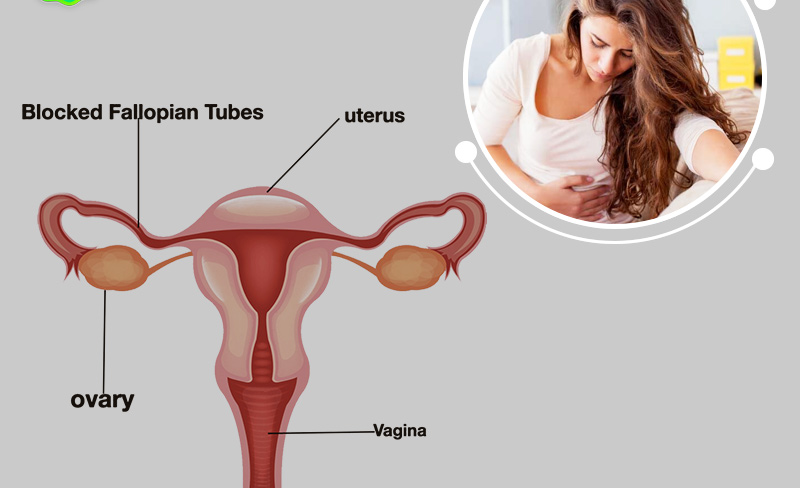
Fallopian tube obstruction is a condition where one or both of a woman’s fallopian tubes become blocked, making it difficult for the egg and sperm to meet. The fallopian tubes are vital for reproduction—they carry eggs from the ovaries to the uterus and are typically the site where fertilization happens.
If the tubes are blocked, it can cause infertility, though some women may not even know they have it until they try to get pregnant.
What Causes Fallopian Tube Blockage?
There are several possible causes, including:
- Pelvic Inflammatory Disease (PID): Often from untreated sexually transmitted infections like chlamydia or gonorrhea
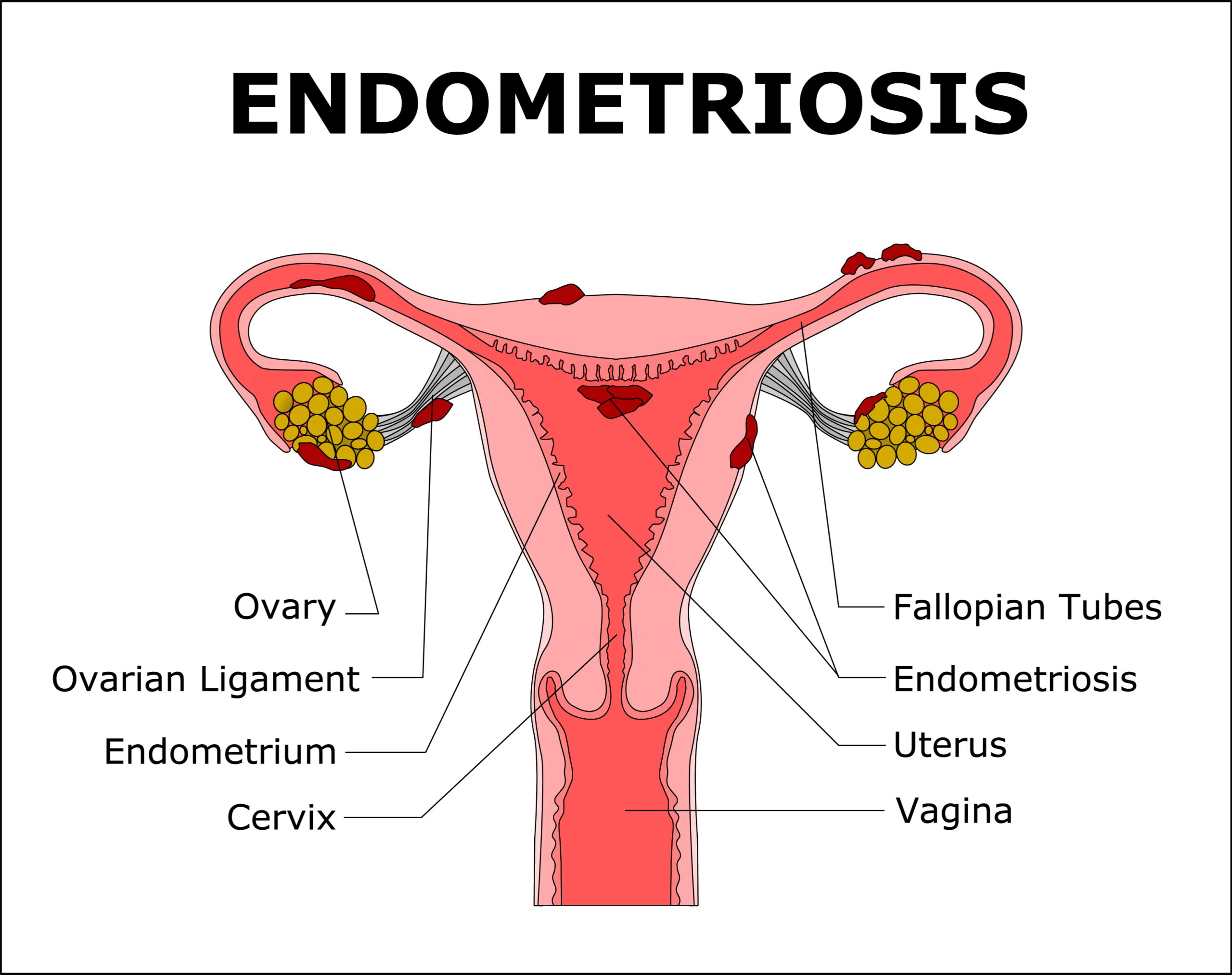
- Endometriosis: Tissue similar to the uterine lining grows outside the uterus and can affect the tubes
- Previous surgeries: Especially on the abdomen or pelvis, which may lead to scar tissue
- Ectopic pregnancy: A past pregnancy in the fallopian tube can damage it
- Tubal ligation reversal: If you’ve had your tubes tied and reversed, scarring may cause blockage
- Tubal adhesions: Bands of scar tissue that form after infections or surgery
What Are the Symptoms of Fallopian Tube Obstruction?
Many women with blocked fallopian tubes have no symptoms at all. It’s often discovered during infertility testing. However, some signs may include:
- Trouble getting pregnant
- Mild pelvic or abdominal pain
- Pain during periods or sex (especially with endometriosis)
- Recurrent ectopic pregnancies
How Is It Diagnosed?
Doctors use a few tests to determine if the fallopian tubes are blocked:
1. Hysterosalpingography (HSG):
A special X-ray done after injecting dye into the uterus and tubes to see if they are open.
2. Sonohysterography:
Ultrasound with saline injected into the uterus for a better view of the tubes.
3. Laparoscopy:
A minimally invasive surgical procedure to directly view the reproductive organs and check for blockages or damage.
4. Hysteroscopy:
Used to check inside the uterus, but may help identify some causes of blockage near the uterine end of the tube.
Can You Still Get Pregnant with Blocked Tubes?
If only one tube is blocked, it’s still possible to get pregnant naturally, assuming the other tube is healthy and ovulation is normal. However, if both tubes are blocked, natural pregnancy is unlikely without treatment.
What Are the Treatment Options?
Treatment depends on the severity and cause of the blockage.
Non-surgical Options:
- Fertility medications: If one tube is open, medications may help boost ovulation
- In vitro fertilization (IVF): Often recommended when both tubes are blocked
Surgical Options:
- Tubal surgery: Aims to remove the blockage or repair damage
- Best for younger women with mild to moderate scarring
- Tubal reanastomosis: Reconnecting sections of the fallopian tube if previously tied or damaged
- Fimbrioplasty: Repairing the end of the tube closest to the ovary
Success depends on your age, overall health, and how badly the tubes are damaged.
Can Fallopian Tube Obstruction Be Prevented?
Some risk factors can be reduced by:
- Practicing safe sex to prevent sexually transmitted infections
- Promptly treating pelvic infections
- Maintaining regular gynecological check-ups
- Avoiding unnecessary pelvic surgeries
