


What is Orbital Myositis?
Orbital myositis is an inflammation of the muscles surrounding the eye (extraocular muscles), typically occurring within the orbit of the eye. This condition can lead to pain, swelling, and impaired eye movement. Orbital myositis is considered a rare disorder, but it can cause significant discomfort and vision problems if not treated promptly. It is often considered an autoimmune or inflammatory condition, though the exact cause may vary in each case.
What causes Orbital Myositis?

The cause of orbital myositis is not always clear, but it is generally associated with inflammation, autoimmune responses, or infections. Some potential causes include:
- Autoimmune Disorders: Orbital myositis is sometimes linked to autoimmune diseases, where the body’s immune system mistakenly attacks healthy tissues, including the muscles around the eye.
- Infections: Bacterial, viral, or fungal infections can trigger inflammation in the orbital muscles.
- Trauma: Injury or surgery involving the eye or surrounding structures may lead to orbital myositis.
- Systemic Inflammatory Conditions: Diseases such as rheumatoid arthritis or thyroid disease can increase the risk of developing orbital myositis.
- Idiopathic: In many cases, the cause of orbital myositis remains unknown.
What are the symptoms of Orbital Myositis?
Symptoms of orbital myositis are primarily related to the inflammation of the eye muscles and surrounding tissues. Common signs and symptoms include:
- Pain: A sharp, aching, or dull pain around the eye, especially with eye movement.
- Eye Swelling: The eyelid or orbital area may appear swollen or puffy.
- Restricted Eye Movement: Difficulty or pain when moving the eyes in different directions.
- Proptosis: Protrusion of the eyeball from the socket.
- Diplopia (Double Vision): Due to muscle dysfunction, double vision can occur, particularly when the eye moves.
- Redness: The conjunctiva (white part of the eye) may become red and inflamed.
- Vision Changes: Although rare, vision may be affected due to pressure on the optic nerve or other structures.
- Fever or Malaise: If the condition is caused by an infection, the individual may experience fever and a general feeling of illness.
How is Orbital Myositis diagnosed?
Diagnosing orbital myositis involves a combination of clinical examination, imaging, and sometimes laboratory tests. Key diagnostic methods include:
- Physical Examination: The healthcare provider will evaluate eye movement, pain levels, and swelling around the eye.
- Imaging: MRI (magnetic resonance imaging) of the orbits is the most effective tool to confirm orbital myositis, as it helps identify inflammation in the eye muscles.
- Blood Tests: These can help identify underlying autoimmune diseases or infections that could be contributing to the condition.
- Biopsy: In rare cases, a tissue biopsy may be performed to rule out other conditions or confirm the diagnosis.
What are the treatment options for Orbital Myositis?
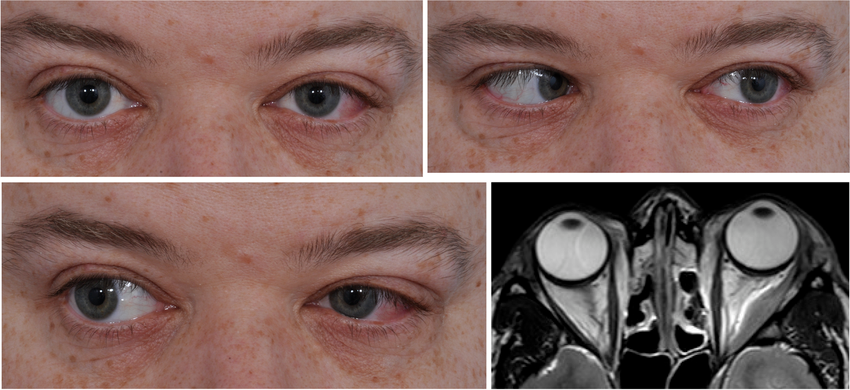
Treatment for orbital myositis depends on the severity of symptoms and the underlying cause. The main goals of treatment are to reduce inflammation, alleviate pain, and restore eye function. Treatment options include:
- Corticosteroids: Oral or intravenous corticosteroids (such as prednisone) are the first-line treatment to reduce inflammation and pain.
- Immunosuppressive Drugs: In cases of autoimmune-related orbital myositis, immunosuppressive medications like methotrexate or azathioprine may be used to control the immune response.
- Antibiotics or Antiviral Medications: If an infection is the cause of orbital myositis, appropriate antimicrobial treatments will be prescribed.
- Pain Management: Nonsteroidal anti-inflammatory drugs (NSAIDs) can help manage mild pain, while more severe cases may require stronger pain relief medications.
- Surgery: In rare cases where the inflammation causes permanent damage or if vision is threatened, surgical intervention may be required to relieve pressure or correct muscle imbalance.
- Eye Muscle Exercises: These may be recommended for individuals with persistent double vision or eye movement difficulties.
What is the prognosis for Orbital Myositis?
The prognosis for orbital myositis is generally positive with early diagnosis and appropriate treatment. Most patients experience significant improvement with corticosteroid therapy, and the condition often resolves within a few weeks to months. However, in some cases, recurrence or chronic inflammation may occur, especially if there is an underlying autoimmune disorder.
- Mild cases usually resolve without long-term complications.
- Severe cases that involve prolonged inflammation or significant eye muscle damage may result in lasting vision problems or restricted eye movement.
Can Orbital Myositis be prevented?
There is no known way to prevent orbital myositis, especially if the condition is idiopathic (without an identifiable cause). However, preventing infections and managing autoimmune diseases can reduce the risk of developing the condition:
- Manage Autoimmune Conditions: Regular monitoring and treatment of autoimmune diseases like rheumatoid arthritis or thyroid disease can reduce the risk of associated orbital myositis.
- Eye Safety: Protecting the eyes from trauma and injury may help reduce the risk of developing orbital myositis caused by external factors.
- Infection Prevention: Maintaining good hygiene and addressing infections early can help prevent secondary infections that may lead to orbital myositis.
How can individuals cope with Orbital Myositis?

Coping with orbital myositis involves managing symptoms and following treatment recommendations closely. Some tips for coping include:
- Adhere to prescribed treatment: Taking corticosteroids or other medications as directed can help manage inflammation and prevent complications.
- Regular follow-up: Regular checkups with an ophthalmologist or healthcare provider are important to monitor progress and adjust treatment if necessary.
- Rest and recovery: Allow time for recovery, especially if pain or fatigue are significant.
- Eye protection: Using sunglasses or protective eyewear can help manage light sensitivity and reduce discomfort.
