


What is a Pathological Fracture?
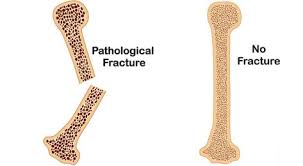
A pathological fracture is a broken bone that occurs in an area weakened by another disease or condition, rather than by trauma or injury. These fractures can happen with little or no force and are often signs of an underlying health issue affecting the bones.
Causes
What causes a pathological fracture?
Pathological fractures are caused by diseases or conditions that weaken the bones. Common causes include:
- Osteoporosis – a condition that makes bones thin and brittle
- Bone cancer or metastasis – cancer that starts in or spreads to the bone
- Infections – such as osteomyelitis
- Bone cysts or tumors – including benign growths
- Paget’s disease of bone – a chronic disorder that disrupts bone remodeling
- Genetic bone disorders – like osteogenesis imperfecta (brittle bone disease)
Symptoms
What are the signs and symptoms of a pathological fracture?
- Sudden pain in a bone without significant trauma
- Swelling or tenderness at the site
- Limited movement or inability to bear weight
- Deformity in the affected limb or area
- Pain that may have been present before the fracture occurred
- In some cases, the fracture may be discovered on imaging for another condition
Diagnosis
How is a pathological fracture diagnosed?
Doctors use a combination of physical examination and imaging tests to confirm a fracture and identify its underlying cause. Diagnostic tools may include:
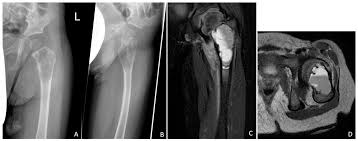
- X-rays to view the broken bone
- MRI or CT scans for detailed imaging
- Bone scans to assess bone metabolism
- Blood tests to detect infection, cancer, or metabolic disorders
- Biopsy in case a tumor or cancer is suspected
Treatment
How are pathological fractures treated?
Treatment involves addressing both the fracture and its underlying cause. Options may include:
- Immobilization with a cast, splint, or brace
- Surgical repair using rods, screws, or plates to stabilize the bone
- Bone grafting to support healing
- Medication for the underlying condition (e.g., bisphosphonates for osteoporosis, chemotherapy or radiation for cancer)
- Pain management and physical therapy during recovery
Is surgery always needed?
Not always. It depends on the severity and location of the fracture, as well as the general health of the patient and the underlying disease.
Prognosis
What is the outlook for someone with a pathological fracture?
The prognosis depends on the cause of the fracture.
- If caused by osteoporosis or a benign condition, recovery is often good with proper treatment.
- If caused by cancer or severe disease, the prognosis may be more serious and tied to the underlying illness.
Early diagnosis and treatment greatly improve outcomes and help prevent further fractures.
Prevention
Can pathological fractures be prevented?
Yes, by managing the underlying bone condition. Prevention strategies include:
- Regular bone density testing for at-risk individuals
- Adequate calcium and vitamin D intake
- Weight-bearing exercises
- Fall prevention strategies for elderly individuals
- Regular screening and treatment of cancers known to spread to bone
Support and Management
How can patients manage life after a pathological fracture?
- Follow-up care with a bone specialist or oncologist
- Physical therapy to regain mobility and strength
- Medication adherence for the underlying condition
- Nutritional support and lifestyle changes to protect bone health
- Support groups or counseling for chronic illness or cancer-related fractures
When should someone see a doctor?
Anyone with unexplained bone pain or a fracture after minimal trauma should seek medical evaluation promptly to rule out a pathological cause.
