


What is Transverse Vaginal Septum?
Transverse vaginal septum is a rare congenital condition where a horizontal wall of tissue partially or completely blocks the vaginal canal. This can cause difficulties with menstruation, sexual activity, and childbirth depending on the thickness and location of the septum.

What Causes Transverse Vaginal Septum?
This condition occurs during fetal development when the vaginal canal fails to properly form or fuse. It is not inherited but results from developmental anomalies of the reproductive tract.
What are the Symptoms of Transverse Vaginal Septum?
Symptoms vary depending on whether the septum is complete or partial:
- Absence of menstrual flow despite normal puberty (if complete blockage)
- Cyclical pelvic pain or cramping due to trapped menstrual blood
- Difficulty or inability to have sexual intercourse
- Possible infertility or complications during childbirth
How is Transverse Vaginal Septum Diagnosed?
Diagnosis methods include:
- Pelvic examination – To identify blockage or abnormalities in the vaginal canal
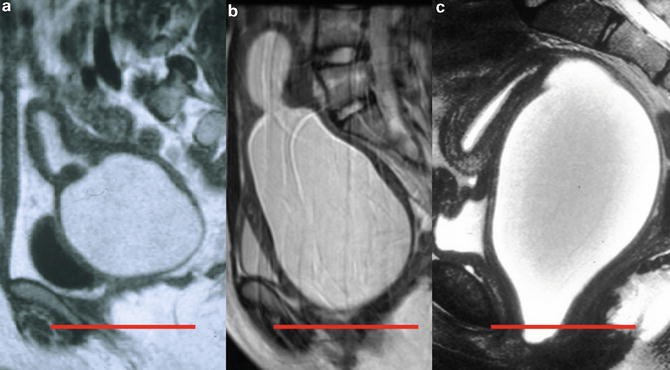
- Imaging tests – Ultrasound or MRI to assess the thickness, location, and extent of the septum
- Medical history – Review of menstrual patterns and symptoms
How is Transverse Vaginal Septum Treated?
Treatment depends on severity:
- Surgical removal or incision of the septum to create a normal vaginal canal
- Post-surgical dilation therapy to prevent reformation of the blockage
- Counseling and support for reproductive and sexual health
What is the Prognosis for Transverse Vaginal Septum?
With timely surgical treatment, most individuals can have normal menstruation, sexual function, and fertility. Delayed treatment can lead to complications like infections or infertility.
Can Transverse Vaginal Septum Be Prevented?
Since it is a congenital anomaly, prevention is not currently possible. Early diagnosis and treatment are important to reduce complications.
When Should You See a Doctor?
Seek medical advice if you experience:
- Absence of periods despite signs of puberty
- Pelvic pain or pressure, especially cyclically
- Difficulty or pain during sexual intercourse
Early evaluation ensures appropriate management and better outcomes.
