What is Craniofacial Dysostosis?
Craniofacial dysostosis, often referred to as Craniofacial Syndrome, is a group of disorders that involve abnormal growth and development of the bones in the skull and face. These conditions are often congenital, meaning they are present at birth, and may affect both the skull (cranial bones) and the facial bones. The primary characteristic of craniofacial dysostosis is the premature fusion of the sutures in the skull, which can lead to problems with the shape of the head and face, as well as potential neurological and developmental concerns.
These conditions can occur as isolated cases or as part of a broader syndrome, such as Crouzon syndrome, Apert syndrome, or Pfeiffer syndrome, which involve other medical issues along with craniofacial abnormalities.
What Causes Craniofacial Dysostosis?
The exact cause of craniofacial dysostosis can vary depending on the specific syndrome involved, but most cases are related to genetic mutations. These mutations affect the normal growth and fusion of the skull bones. In some cases, craniofacial dysostosis is inherited in an autosomal dominant pattern, meaning only one copy of the mutated gene is required for the condition to be present.
In addition to genetic factors, environmental factors during pregnancy, such as maternal infections, medications, or nutritional deficiencies, may contribute to the development of craniofacial abnormalities in some instances.
Symptoms of Craniofacial Dysostosis?
Symptoms of craniofacial dysostosis can vary widely depending on the type of condition and the extent of the cranial and facial involvement. Common symptoms may include:
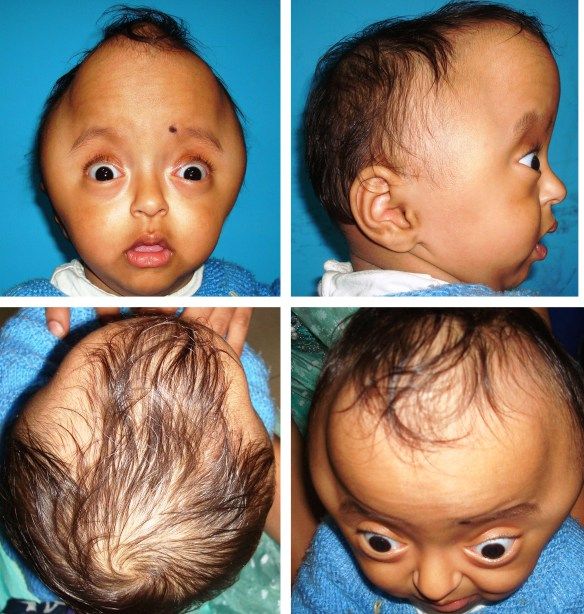
- Abnormal Head Shape: Premature closure of the sutures in the skull can result in an abnormal head shape. This can cause a long, narrow skull, a flattened forehead, or other visible deformities.
- Facial Abnormalities: The face may appear underdeveloped or asymmetrical due to the abnormal fusion of facial bones. Common features include a flat nose, high-arched palate, and protruding eyes.
- Vision Problems: Some individuals with craniofacial dysostosis experience vision problems, such as strabismus (crossed eyes) or increased pressure in the eyes, which may lead to glaucoma.
- Hearing Loss: Abnormalities in the middle ear may lead to hearing issues, such as conductive hearing loss.
- Developmental Delays: Some children with craniofacial dysostosis may experience delays in speech, motor skills, and cognitive development.
- Increased Intracranial Pressure: In severe cases, the premature fusion of skull bones can restrict brain growth, leading to increased intracranial pressure, which may result in headaches, irritability, and in severe cases, seizures or hydrocephalus (fluid buildup in the brain).
- Respiratory Problems: Some individuals with craniofacial dysostosis may experience difficulty breathing, especially during sleep, due to airway constriction or dysfunctional nasal passages.
How is Craniofacial Dysostosis Diagnosed?
Craniofacial dysostosis is typically diagnosed through a combination of clinical evaluation, imaging studies, and genetic testing. Key diagnostic steps may include:
- Physical Examination: A thorough physical exam is conducted to assess the child’s head and facial shape, as well as any other potential abnormalities.
- Imaging Tests: X-rays, CT scans, or MRI may be used to assess the skull and facial bones and to determine which sutures have prematurely fused. These imaging tests help in diagnosing the extent of the craniofacial abnormalities and planning surgical interventions.
- Genetic Testing: If craniofacial dysostosis is suspected to be part of a genetic syndrome, genetic testing can confirm the diagnosis. Testing can identify mutations in specific genes that are associated with craniofacial dysostosis, such as the FGFR2 gene (often involved in Crouzon syndrome) or FGFR3 gene (involved in Apert syndrome).
- Family History: A detailed family history may be taken to determine if there is a genetic link to craniofacial dysostosis. Since some forms of the condition are inherited, this can provide important information for diagnosis.
Treatment for Craniofacial Dysostosis?
Treatment for craniofacial dysostosis depends on the severity of the condition and the specific symptoms present. The primary goals of treatment are to improve the physical appearance, prevent or treat complications, and support normal growth and development. Common treatment approaches include:
- Surgical Intervention: Surgical correction is often necessary to treat craniofacial dysostosis. Surgery may be required to correct the shape of the skull and face, release pressure on the brain, or repair abnormal facial features. Procedures can vary based on the specific type of craniofacial dysostosis and the child’s age.
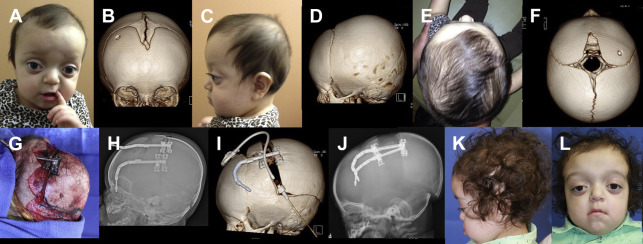
- Cranial Vault Remodeling: A procedure to reshape the skull, often performed during infancy, to prevent or treat increased intracranial pressure and to allow for normal brain growth.
- Facial Reconstructive Surgery: Surgery to improve facial appearance and function, such as repairing the nose or improving the eye socket.
- Vision and Hearing Care: Children with craniofacial dysostosis may need regular eye exams and hearing tests to monitor for problems. Early treatment can help prevent complications such as glaucoma, strabismus, or hearing loss.
- Speech and Developmental Therapy: Children with craniofacial dysostosis who experience speech delays or cognitive issues may benefit from speech therapy, physical therapy, or other developmental support.
- Ongoing Monitoring: Long-term follow-up care is essential for individuals with craniofacial dysostosis to monitor for any new complications, assess developmental progress, and manage any remaining medical issues.
Prognosis for Craniofacial Dysostosis?
The prognosis for individuals with craniofacial dysostosis depends on the severity of the condition and how early treatment is initiated. In many cases, surgical interventions can help improve the shape of the skull and face, reduce the risk of complications, and support normal brain and cognitive development. However, individuals may still face long-term challenges related to vision, hearing, or developmental delays, depending on the extent of the craniofacial abnormalities.
With appropriate treatment and early intervention, many individuals with craniofacial dysostosis can lead full and active lives.