What is Simpson-Golabi-Behmel Syndrome?
Simpson-Golabi-Behmel Syndrome (SGBS) is a rare genetic disorder characterized by excessive growth before and after birth (overgrowth syndrome), along with distinctive facial features and an increased risk of certain birth defects and tumors. It primarily affects males and is inherited in an X-linked pattern.

What Are the Symptoms of Simpson-Golabi-Behmel Syndrome?
- Large body size and rapid growth (macrosomia)
- Distinctive facial features such as a broad nose, wide-set eyes, and a prominent jaw
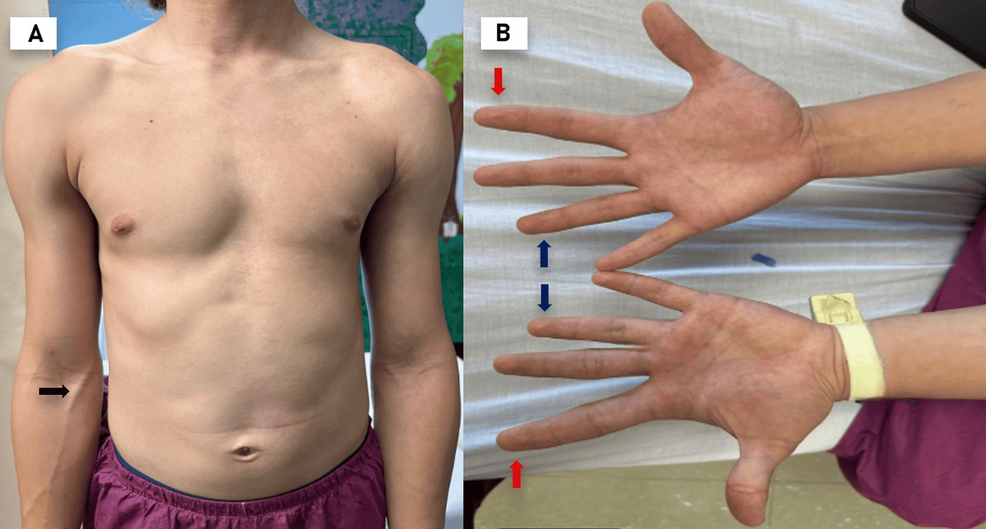
- Extra fingers or toes (polydactyly)
- Umbilical hernia or abdominal wall defects
- Heart defects
- Skeletal abnormalities
- Intellectual disability or developmental delays (variable)
- Increased risk of developing tumors, particularly Wilms tumor and liver cancer
What Causes Simpson-Golabi-Behmel Syndrome?
SGBS is caused by mutations in the GPC3 gene, which plays a role in regulating cell growth. This mutation leads to uncontrolled cell growth and the features seen in the syndrome.
Who is at Risk for Simpson-Golabi-Behmel Syndrome?
- Mainly affects males due to X-linked inheritance
- Family history of the syndrome increases risk
- Carrier mothers can pass the gene mutation to their children
How is Simpson-Golabi-Behmel Syndrome Diagnosed?
- Clinical evaluation of physical features and growth patterns
- Genetic testing to identify mutations in the GPC3 gene
- Imaging studies to detect internal abnormalities and tumors
- Regular monitoring for tumor development
How is Simpson-Golabi-Behmel Syndrome Treated?
- Treatment is symptomatic and supportive
- Surgical correction of congenital abnormalities such as hernias or heart defects
- Regular screening and early treatment of tumors
- Developmental therapies for intellectual or motor delays
- Genetic counseling for affected families
What Are the Complications of Simpson-Golabi-Behmel Syndrome?
- Risk of life-threatening tumors if not detected early
- Potential developmental disabilities
- Complications related to congenital defects such as heart problems
How Can You Prevent Simpson-Golabi-Behmel Syndrome?
- There is no prevention since it is a genetic disorder
- Genetic counseling can help at-risk families understand risks and reproductive options
When Should You See a Doctor?
- If a newborn shows unusual overgrowth or physical abnormalities
- For genetic testing if there is a family history of SGBS
- For ongoing monitoring if diagnosed, to detect tumors or manage complications