


What is a Muscle Strain?
A muscle strain occurs when muscle fibers are stretched or torn due to excessive force or overuse. Often referred to as a pulled muscle, strains can range from mild to severe, depending on the extent of the damage to the muscle tissue. Muscle strains are common injuries that can affect anyone, whether due to sports, heavy lifting, or even daily activities.
Causes of Muscle Strain
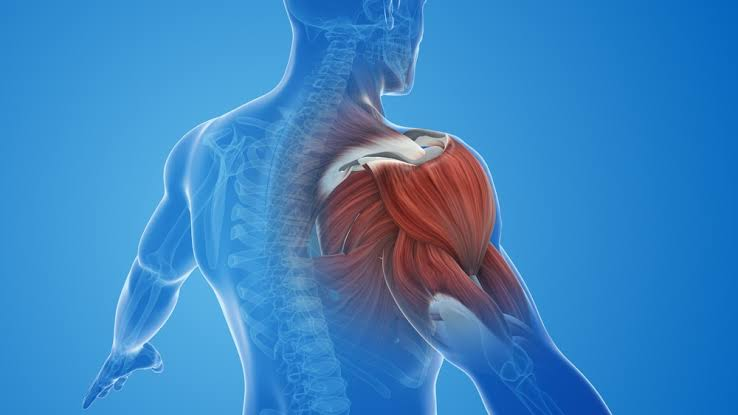
Muscle strains typically occur when a muscle is forced to move beyond its normal range of motion or is overloaded with more force than it can handle. Some common causes include:
1. Overuse
Prolonged or repetitive use of muscles can lead to strain. This is especially common in athletes or individuals who engage in intense physical activities without adequate rest or warm-up.
2. Sudden Movement or Overstretching
Quick, jerky movements or overstretching a muscle beyond its capacity can cause it to tear. This is often seen during activities like running, jumping, or lifting heavy objects.
3. Weak or Fatigued Muscles
Muscles that are weak or fatigued are more vulnerable to injury. Lack of conditioning, insufficient rest, or not stretching before physical activity can contribute to muscle strain.
4. Improper Technique
Using improper technique or posture during exercise or lifting can place excessive strain on muscles, leading to injury.
5. Muscle Imbalance
When certain muscles are stronger or more developed than others, it can lead to imbalances that increase the risk of strain. For example, if one muscle group compensates for another that is weaker, it can be overworked and strained.
6. Environmental Factors
Cold temperatures, poor footwear, or uneven surfaces can also increase the likelihood of muscle strain during physical activity.
Types of Muscle Strain
There are three grades of muscle strain, each representing the severity of the injury:
1. Grade I (Mild)
- A mild strain involves a small tear in the muscle fibers with minimal damage.
- Symptoms include mild pain, slight swelling, and limited stiffness, but the muscle can still function normally.
- Recovery time is generally short (a few days to a week).
2. Grade II (Moderate)
- A moderate strain involves a larger tear in the muscle fibers, leading to more significant pain, swelling, and stiffness.
- There may be difficulty moving the muscle, and strength may be compromised.
- Recovery time typically ranges from a few weeks to a month.
3. Grade III (Severe)
- A severe strain involves a complete tear or rupture of the muscle.
- Symptoms include intense pain, severe swelling, bruising, and a complete loss of muscle function.
- Recovery may take several months and may require medical intervention such as surgery.
Symptoms of Muscle Strain
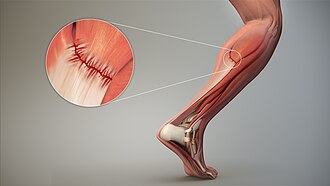
The symptoms of a muscle strain depend on the severity of the injury but commonly include:
- Sudden pain in the affected muscle, often described as sharp or stabbing.
- Muscle weakness and difficulty moving the affected part of the body.
- Swelling around the muscle or joint.
- Bruising may appear if blood vessels are damaged within the muscle.
- Stiffness and limited range of motion in the affected muscle.
- Tenderness when the muscle is touched or moved.
Treatment for Muscle Strain
Treatment for a muscle strain depends on the severity of the injury. The R.I.C.E. method is commonly recommended in the early stages of treatment.
Immediate Treatment (R.I.C.E. Method)
- Rest
Avoid using the strained muscle for at least 24-48 hours to allow the muscle to heal. Resting the muscle reduces the risk of further injury. - Ice
Apply an ice pack to the affected area for 20-30 minutes every 2-3 hours during the first 48 hours. Ice helps reduce swelling and pain. - Compression
Using an elastic bandage or compression wrap can help control swelling and provide support to the injured muscle. - Elevation
Elevate the injured muscle or limb above the level of the heart, if possible, to help reduce swelling.
Additional Treatment for Moderate to Severe Strains
- Pain Relief
Over-the-counter pain relievers such as ibuprofen or acetaminophen can help reduce pain and inflammation. - Heat Therapy
After the initial 48 hours, applying heat to the strained muscle can promote blood flow and speed up healing. Use a heating pad or warm compress for 15-20 minutes at a time. - Physical Therapy
For moderate to severe strains, physical therapy may be necessary to restore range of motion, strength, and flexibility. Exercises that gradually stretch and strengthen the muscle are commonly used. - Massage
Gentle massage can help increase blood flow, relax the muscle, and reduce tension. However, massage should be avoided in the first 48 hours if there is significant swelling or bruising. - Surgical Intervention
In cases of severe muscle strain (Grade III), surgery may be necessary to repair the torn muscle. This is typically only required when there is a complete rupture.
Prevention of Muscle Strain
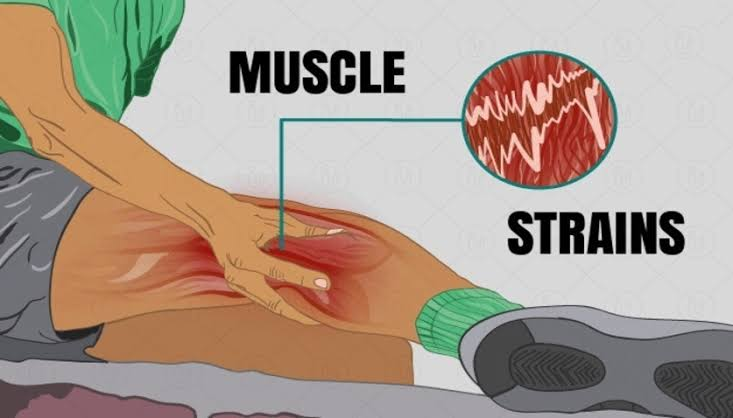
To reduce the risk of muscle strain, consider the following preventive measures:
1. Warm-up Properly
Always warm up before engaging in physical activity. A proper warm-up increases blood flow to the muscles and prepares them for the stresses of exercise.
2. Stretch Regularly
Regular stretching helps maintain flexibility and range of motion in muscles. Stretch both before and after physical activity to prevent strain.
3. Strengthen Muscles
A well-balanced strength training program can improve muscle strength and help prevent imbalances that may lead to injury.
4. Use Proper Technique
When lifting weights or performing any exercise, always use proper form and technique to avoid placing unnecessary stress on muscles.
5. Rest and Recover
Avoid overworking your muscles. Ensure adequate rest and recovery time between workouts to allow muscles to repair and strengthen.
6. Hydration and Nutrition
Proper hydration and a balanced diet rich in protein and electrolytes support muscle health and reduce the likelihood of strain.
7. Wear Proper Footwear
Proper footwear with adequate arch support and cushioning can reduce the risk of strain, especially during running or high-impact activities.
When to Seek Medical Attention
In most cases, muscle strains can be managed at home with rest and self-care. However, medical attention should be sought if:
- The muscle strain does not improve after several days of rest.
- You experience severe pain, swelling, or bruising.
- There is noticeable weakness or loss of function in the affected muscle.
- You suspect a complete muscle tear (Grade III strain).
- The injury is accompanied by other symptoms, such as numbness or tingling.
A healthcare provider may recommend diagnostic imaging, such as an MRI or ultrasound, to assess the extent of the muscle injury and guide treatment.
Prognosis
The prognosis for muscle strain varies depending on the severity. Mild strains generally heal within a few days to a week with rest and self-care, while moderate strains may take a few weeks to recover. Severe strains can take several months and may require physical therapy or surgery.
With proper treatment and preventive measures, most individuals recover fully from a muscle strain and can return to their normal activities without lasting complications.
